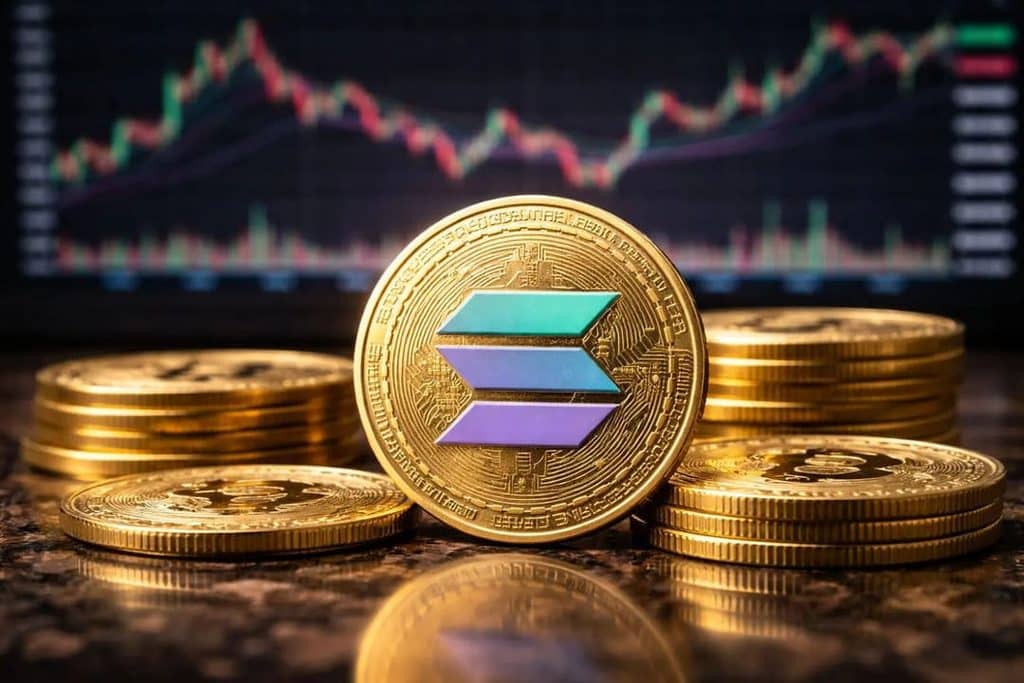
The Solana burn vote is turning tokenomics into the next market story for a chain usually judged by speed, meme-coin activity and retail trading bursts. If validators support the proposed supply changes, Solana’s next catalyst may come less from another viral token cycle and more from how SOL enters and exits circulation.
That matters beyond Solana traders. Crypto users already compare networks by speed, fees and payment reliability, including those evaluating crypto-friendly options through best U.S. betting sites. But the Solana debate adds a sharper question: can a high-activity blockchain make its native token accrue more value without making the network less attractive to use?
Solana Burn Vote Moves the Story Away From Meme Coins
Solana’s market identity has often been tied to activity. Fast transactions, low fees, NFT waves, DeFi bursts and meme-coin speculation all helped make the chain one of crypto’s most visible networks.
That visibility has been powerful, but it has also created a problem. When Solana rallies only because traders are chasing the next hot token, SOL can look like a proxy for speculative appetite rather than a network with improving economics.
The current proposal changes that conversation. A new Solana vote could raise daily SOL burns sharply and slow new token creation, turning attention toward the mechanics of supply and demand rather than only trading culture. The latest proposal would route more transaction-related value into permanent burns while pairing that with faster disinflation.
That is why supply mechanics matter. If SOL holders believe network usage can translate into tighter token supply over time, Solana’s investment case becomes less dependent on short-term hype.
What the Proposal Is Trying to Change
The proposal centers on how transaction fees are calculated and distributed.
Under Solana’s current fee model, the base transaction fee is 5,000 lamports per signature, with half burned and half paid to the validator. Priority fees, which users can pay to improve transaction processing, go fully to the validator under the network’s current fee structure.
The new burn-focused model would create a more resource-based system. Instead of treating many transactions similarly, it would charge based on the computational resources a transaction demands. A fixed portion would go to the block producer, while a separate resource-based portion would be permanently burned.
The market-relevant point is simple: heavier network use could destroy more SOL.
That would not automatically make SOL deflationary. Solana still issues new tokens through staking rewards and inflation. But a higher burn rate can offset part of that issuance, especially if activity remains strong. CoinDesk’s latest technical coverage said the change could raise burns from roughly 650 SOL per day to between 7,500 and 9,000 SOL per day, depending on demand and implementation details, through the new burn proposal.
That is the number traders will remember. The harder question is whether the change improves token value without distorting user behavior.
The Market Signals Traders Should Track
The Solana burn vote should not be read as a guaranteed price catalyst. It is a governance and economics signal first. Market reaction will depend on whether validators support the proposal, whether users accept the fee model and whether activity remains high enough to make burns meaningful.
Here are the key signals to follow.
| Signal | Why It Matters |
|---|---|
| Validator support | Determines whether the proposal can move from debate to implementation |
| Daily SOL burned | Shows whether network usage is creating meaningful supply offsets |
| New SOL issuance | Reveals whether faster disinflation changes the net supply picture |
| Transaction costs | Tests whether users tolerate the new fee design |
| DeFi and meme-coin activity | Measures whether high-volume use stays on Solana |
| Validator economics | Shows whether incentives remain strong enough to secure the network |
The table shows why the vote is bigger than a burn headline. A successful design has to balance holders, users and validators at the same time.
If burns rise but activity falls, the market may question the tradeoff. If burns rise while usage holds, the proposal could become a meaningful narrative shift.
Why Tokenomics Can Become a Cleaner Catalyst
Crypto markets love simple stories. Bitcoin has scarcity. Ethereum has fee burns and staking. Stablecoins have payment utility. Solana’s story has often leaned on speed and culture, but those strengths are harder to price than supply changes.
That is why the burn vote could matter even before implementation. Markets often move when a cleaner framework emerges for valuing an asset.
If Solana can show that usage translates into lower net supply growth, SOL becomes easier to compare with other major crypto assets. The narrative changes from “people are trading on Solana” to “activity may improve SOL’s monetary profile.”
That distinction is powerful.
A chain can have huge activity and still leave token holders wondering whether value accrues to users, validators, applications or the native asset. The burn proposal tries to answer that by connecting network demand more directly to SOL destruction.
The cleaner market narrative is not that Solana becomes scarce overnight. It is that the network may be trying to make high activity count more directly for SOL holders.
The Risk Is Overpricing the Vote Before It Works
The danger is obvious: traders may price in a supply shift before the mechanics prove themselves.
Token burns sound bullish because they are easy to understand. Fewer tokens can support higher value if demand holds. But burns are not magic. They depend on activity, fee design, user tolerance, validator incentives and the broader market environment.
If the proposal raises costs for certain transaction types, some activity could move elsewhere or become less frequent. Validators believe the economics weaken their position too much, support may fade. If burns increase but SOL issuance still outweighs them, the net effect may be less dramatic than the headline suggests.
There is also a communication risk. Retail traders may treat “higher burns” as a guaranteed price signal when the actual outcome depends on moving variables. That can create an overheated rally before the market understands the details.
The biggest risk is impatience. Solana’s tokenomics story needs data, not just a vote.
The Next Pressure Point Is Real Usage After Approval
The next phase is not simply whether the proposal clears a voting threshold. The real test comes after the market sees how the system behaves under live conditions.
Solana needs to keep its core advantage: cheap, fast activity at scale. If the chain can improve value accrual while preserving that user experience, the burn vote could become one of the more important economic changes in its recent history. If the fee model adds friction in the wrong places, the market may decide the cure is less exciting than the headline.
Traders should watch daily burns, net issuance, transaction volume, active users, validator commentary and whether major Solana applications adjust behavior. Those signals will say more than the first market reaction.
The Solana burn vote matters because it moves the conversation from speculative traffic to economic design. Meme coins may still drive bursts of attention, but SOL’s more durable story may come from whether the network can turn usage into stronger tokenomics. If that balance holds, Solana’s next market catalyst may be built into the fee system itself.