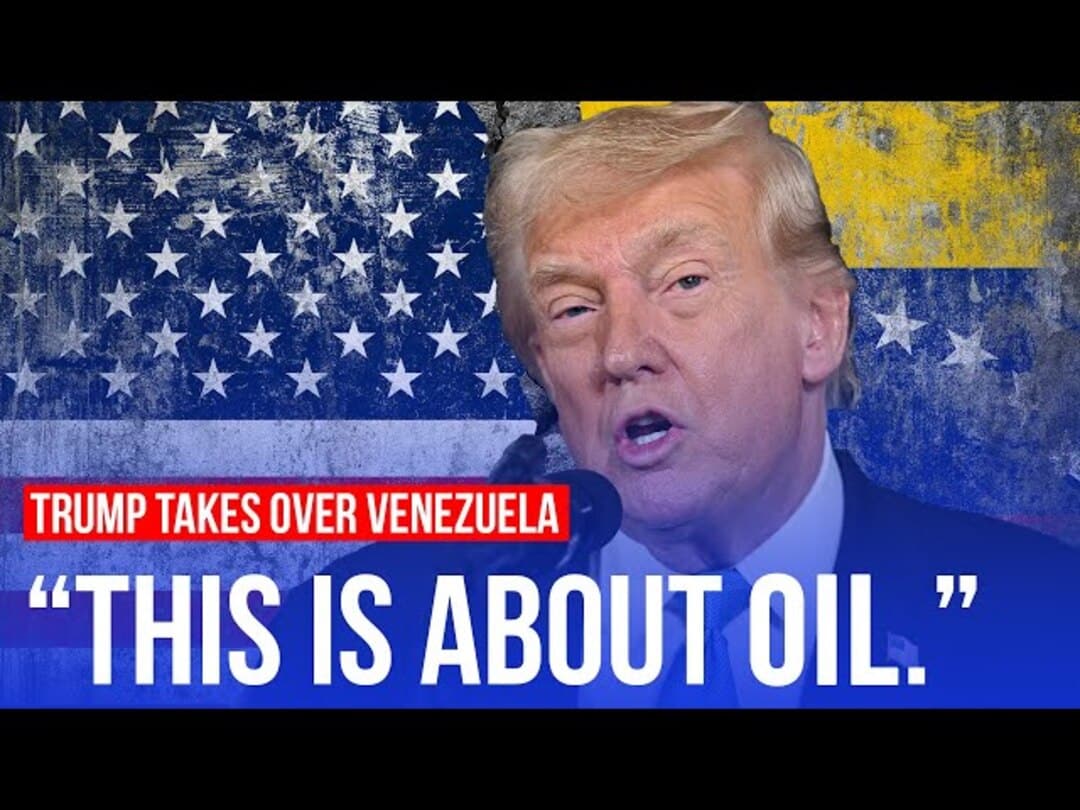
Amid global shifts in the energy market and mounting geopolitical pressures, President Donald Trump is once again making energy strategy a top priority. This week, the White House is hosting a high stakes meeting with executives from America’s largest oil companies, marking a renewed focus on the future of Venezuela’s embattled oil industry.
Friday’s talks, which are part of a broader diplomatic and economic initiative, spotlight both the opportunities and the deep uncertainties surrounding U.S. involvement in revitalizing Venezuela’s critical energy infrastructure.
The Meeting Agenda: A Push for U.S. Engagement in Venezuela
As crude oil continues to flow albeit in diminished quantities from Venezuelan wells run by state oil company PDVSA, global energy markets await signals from the United States. President Trump’s meeting with “Big Oil” is widely seen as an attempt to persuade American energy giants to re-engage with Venezuela’s vast oil reserves, a move that could reshape both Venezuelan economic recovery and U.S. energy dominance.
Despite this, industry leaders remain wary. While Venezuela boasts some of the world’s largest proven oil reserves, years of mismanagement, political instability, and international sanctions have decimated its output and investor confidence.
Industry Skepticism and Cautious Optimism
Restoring Venezuela’s oil sector is a monumental challenge. Executives have voiced serious skepticism about investing tens of billions of dollars over the next decade without clear assurances. “There’s no appetite to charge in,” one industry insider noted. Oil majors are particularly unsettled by:
- Venezuela’s volatile political climate
- Lingering effects of U.S. sanctions and legal uncertainties
- The lack of a credible and concrete rebuilding strategy
Major stakeholders argue that risks to physical and financial assets remain too high. While the potential reward access to massive untapped reserves is appealing, most companies are wary of the significant dangers.
Trump Administration’s Pitch: What’s on Offer?
Despite skepticism, the Trump administration is seeking to reassure industry leaders. Reports suggest administration officials are exploring options such as partial sanctions relief, legal guarantees, and streamlined regulatory approvals to entice corporations back into Venezuela. The White House acknowledges that any U.S. investment in Venezuela must be matched with credible reforms on the ground and a clear roadmap for sector stability.
However, some insiders say Trump and his advisers have not yet articulated a fully convincing long-term strategy for ensuring Venezuela’s energy infrastructure is rebuilt responsibly. The absence of detailed financial and diplomatic frameworks is a sticking point for many CEOs present at the White House.
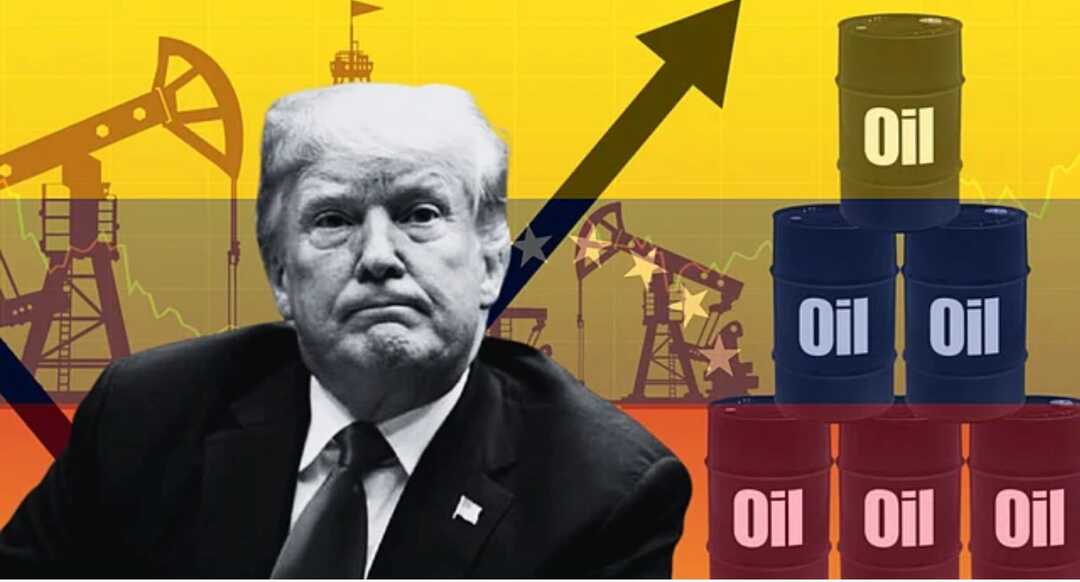
Venezuela’s Oil Sector: Background and Current Status
For decades, Venezuela was a cornerstone of global oil supply, with PDVSA among the world’s most influential state-run oil companies. Political turmoil under successive governments and sanctions targeting its energy sector have led to a dramatic collapse in production. Derelict equipment, underinvestment, and chronic shortages now plague the industry.
Restoration would not only require enormous capital but also a stable business and legal environment for international partners. Many analysts believe that without a major turnaround, Venezuela’s ability to impact global oil markets will remain limited.
Geopolitics, Sanctions, and Global Oil Markets
Trump’s push to woo oil executives back to Venezuela comes at a time of shifting alliances and supply bottlenecks on the global stage. The U.S. remains interested in maintaining strategic access to Latin American energy reserves both to shore up domestic supply and as leverage in global negotiations.
Sanctions have been a key policy tool, but their suspension or relaxation is a contentious issue. Any move by the administration has wider implications for U.S. relationships with allies and rivals, as well as for ongoing humanitarian concerns within Venezuela.
Looking Ahead: The Path Forward
While Friday’s White House meeting may mark an important step in ongoing U.S.-Venezuela energy relations, tangible progress will require more than a photo op. American oil companies are looking for assurances that go beyond rhetoric robust legal frameworks, improved security, and a credible partner in PDVSA or a reformed government.
The balance between risk and reward will dominate decision-making in the months ahead. Until concrete strategies materialize, cautious industry optimism will likely prevail over bold investment moves.