Global energy markets are once again experiencing heightened volatility as tensions escalate in the Middle East. The confrontation between the United States and Iran has triggered fresh concerns about the stability of oil supply routes and the broader impact on global energy markets.
Whenever geopolitical tensions rise in the Middle East, oil traders, energy companies, and governments closely monitor developments. The region plays a central role in global oil production and transportation, meaning that even minor disruptions can affect prices worldwide.
Recent military developments and diplomatic exchanges have increased uncertainty in commodity markets, causing oil prices to fluctuate as investors attempt to assess potential risks.
Why the Middle East Is Critical to Global Oil Supply
The Middle East remains one of the most important energy-producing regions in the world. Countries in the region account for a significant share of global crude oil reserves and production.
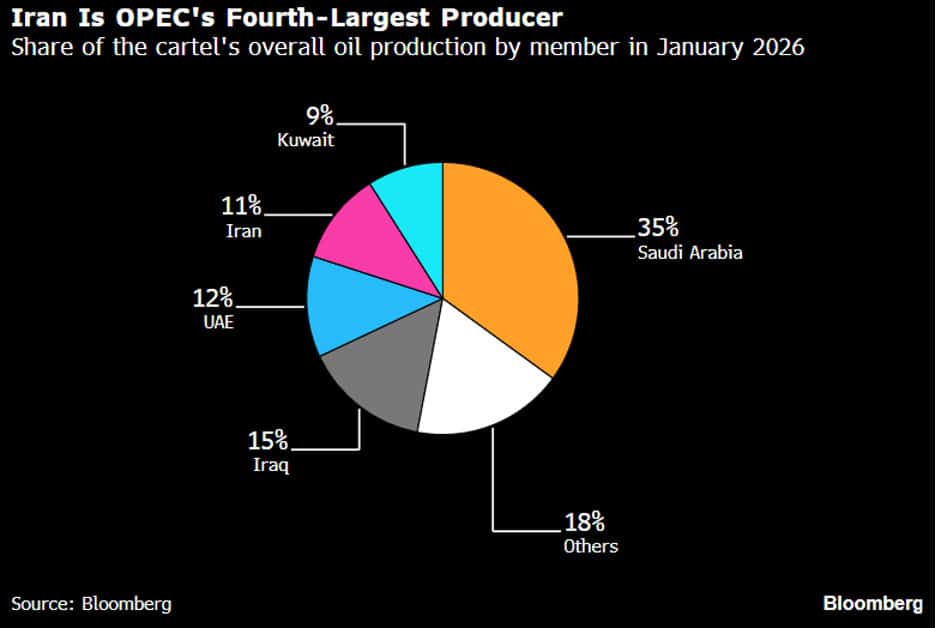
Nations such as Saudi Arabia, Iraq, Kuwait, and Iran export millions of barrels of oil every day to markets across Asia, Europe, and North America. Because so much of the world’s energy supply passes through the region, stability in the Middle East is closely tied to global economic conditions.
When conflict or political instability threatens production facilities or transportation routes, the effects can be felt almost immediately in international oil prices.
One of the most strategically important locations in the region is the Strait of Hormuz. This narrow waterway connects the Persian Gulf to international waters and serves as a primary shipping route for oil exports.
The Strategic Importance of the Strait of Hormuz
The Strait of Hormuz is widely considered one of the most critical energy chokepoints in the world. A large percentage of globally traded oil travels through this narrow maritime corridor each day.
Tankers carrying crude oil from Gulf producers must pass through this strait before reaching international markets. As a result, any threat to shipping in this area has immediate implications for the global energy industry.
Military activity or heightened tensions involving naval forces in the region often raise concerns that shipping lanes could be disrupted. Even the possibility of such disruptions can influence oil markets, prompting traders to adjust their expectations about supply availability.
Energy analysts often describe the Strait of Hormuz as a vital artery of the global energy system.
How Oil Prices Respond to Geopolitical Risk
Oil markets are highly sensitive to geopolitical events. When tensions rise in major oil-producing regions, investors frequently anticipate potential supply disruptions.
This anticipation can cause oil prices to rise even before any physical shortage occurs. Traders often refer to this phenomenon as a “risk premium,” where prices increase because of uncertainty rather than actual supply changes.
In the case of rising tensions involving Iran and the United States, energy markets tend to react quickly because Iran plays a major role in the regional security environment surrounding Gulf shipping routes.
Financial markets, including commodity exchanges and energy futures markets, often respond immediately to news developments.
Shipping and Maritime Security Concerns
Another key factor affecting oil markets is maritime security. Tanker routes in the Persian Gulf and surrounding waters are vital for transporting crude oil and refined petroleum products.
When military tensions rise, shipping companies and insurance providers may increase security measures or adjust shipping routes. In some cases, insurers raise premiums for vessels operating in conflict zones.
Higher shipping costs can ultimately affect oil prices because transporting energy resources becomes more expensive. Energy companies must account for these risks when planning shipments and negotiating contracts.
Naval patrols conducted by international forces are often intended to maintain stability and ensure that commercial shipping remains safe.
Impact on Global Economies
Changes in oil prices can have significant consequences for national economies. Countries that import large quantities of oil may experience rising energy costs when prices increase.
Higher oil prices can influence everything from gasoline costs to electricity generation and transportation expenses. These increases can place pressure on consumers and businesses alike.
At the same time, oil-exporting countries may benefit from rising prices, as higher revenues can strengthen their national budgets.
For governments and financial institutions, maintaining stability in energy markets is therefore a critical priority.
Energy Market Responses and Strategic Reserves
To reduce the impact of potential supply disruptions, many countries maintain strategic petroleum reserves. These reserves are large stockpiles of crude oil that can be released during emergencies.
For example, the International Energy Agency coordinates policies among major energy-consuming nations to ensure energy security.
If supply disruptions occur due to geopolitical conflict, these reserves can help stabilize markets by temporarily increasing available supply.
Energy companies also use long-term contracts and diversified supply chains to reduce dependence on any single region.
Diplomatic Efforts to Prevent Escalation
While military tensions can influence markets, diplomatic efforts often aim to prevent conflicts from escalating into situations that threaten global energy supply.
International organizations and governments frequently engage in negotiations to reduce the risk of confrontation. Diplomatic channels remain an important tool for managing crises in regions that are critical to global trade.
In many cases, markets respond positively when negotiations appear likely to reduce tensions.
Energy markets often reflect not only current conditions but also expectations about future political developments and US foreign policy analysis.
Outlook for Global Oil Markets
Looking ahead, the future of global oil markets will depend heavily on geopolitical stability in the Middle East. While temporary price fluctuations are common during periods of uncertainty, long-term market trends depend on broader factors such as supply levels, global demand, and diplomatic relations.
Energy analysts continue to monitor developments involving the United States and Iran, as well as regional dynamics that could affect shipping routes and production facilities.
Despite the uncertainty, global energy systems remain resilient thanks to diversified supply sources, strategic reserves, and international cooperation.
Nevertheless, events in the Middle East will likely continue to play a major role in shaping oil market trends for the foreseeable future.
Conclusion
The recent rise in tensions between the United States and Iran highlights how closely global energy markets are tied to geopolitical events. Because the Middle East remains one of the world’s most important oil-producing regions, developments in the area can influence prices and economic conditions worldwide.
From the strategic importance of the Strait of Hormuz to the broader impact on shipping and energy supply, the situation illustrates the complex relationship between geopolitics and global markets.
For investors, policymakers, and consumers alike, understanding these dynamics is essential as the world continues to navigate an evolving energy landscape.