Over the past year, I’ve noticed a clear and concerning trend: Bitcoin security concerns are no longer limited to technical vulnerabilities or exchange breaches. Instead, the biggest threat today is far more subtle and far more dangerous. It’s the rise of highly sophisticated phishing scams that target everyday users rather than the blockchain itself.
Bitcoin was designed to be secure. Its decentralized structure and cryptographic foundation remain remarkably resilient. Yet, as I’ve observed in recent reports and real-world cases, attackers are no longer trying to break Bitcoin they are targeting the people who use it.
This shift marks a critical turning point in how we understand digital asset security.
The Evolution of Crypto Phishing Attacks
Phishing in the crypto world has evolved dramatically. Gone are the days of poorly written emails filled with obvious red flags. Today’s scams are carefully engineered, highly personalized, and alarmingly convincing on niche local business listings.
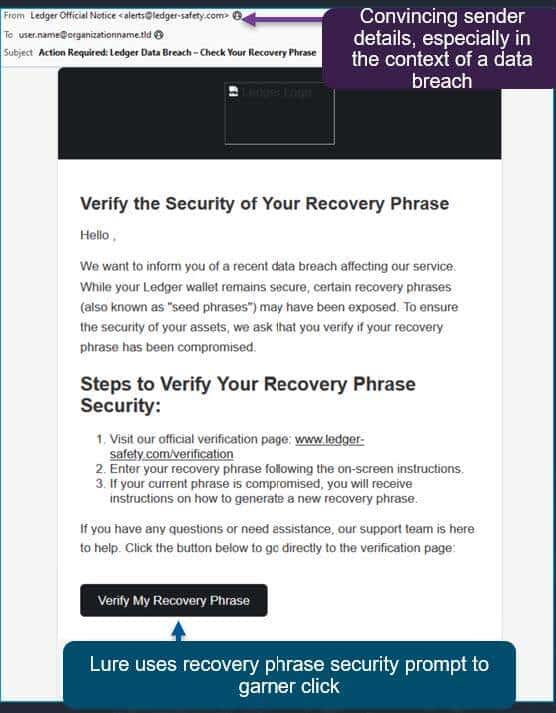
Attackers now impersonate trusted platforms, customer support agents, or even well-known brands. They create fake websites that mirror legitimate crypto wallets and exchanges down to the smallest detail. In some cases, they even simulate real-time chat support to guide victims into handing over sensitive information.
What stands out to me is how these scams exploit urgency and trust. A user might receive a message claiming their wallet has been compromised or that they must verify their account immediately. In the rush to act, they unknowingly provide access to their funds.
This is the new reality of Bitcoin security concerns not technical failure, but psychological manipulation.
Why Beginners Are the Primary Targets
While experienced investors are not immune, phishing campaigns overwhelmingly target new or less experienced users. From my perspective, this is a calculated strategy.
Beginners are more likely to:
- Trust unfamiliar platforms
- Click on unsolicited links
- Misunderstand how wallets and private keys work
This lack of familiarity creates an opportunity for attackers. Once a victim shares their private key or recovery phrase, the consequences are immediate and irreversible.
Unlike traditional banking systems, there is no customer service line that can reverse a Bitcoin transaction. This is both the strength and the risk of decentralized finance.
The Role of Self-Custody in Modern Security
One of the most important lessons I’ve taken from these developments is the growing importance of self-custody. In simple terms, this means having full control over your own crypto assets rather than relying on third-party platforms.
Self-custody offers greater independence, but it also comes with greater responsibility. You become your own bank and that means you must also become your own security system.
This is where many users struggle. Without proper knowledge and precautions, self-custody can expose individuals to the very risks they are trying to avoid.
In the context of rising Bitcoin security concerns, self-custody is not just an option it is a necessity. But it must be approached with care, education, and discipline.
How These Scams Are Becoming More Advanced
What concerns me most is how rapidly these phishing techniques are improving. Attackers are now leveraging advanced tools, including automation and even elements of artificial intelligence, to scale their operations.
They can generate realistic messages, clone entire websites, and target thousands of users simultaneously. Some scams even involve social engineering tactics where attackers build trust over time before launching their attack.
This level of sophistication means that traditional warning signs are becoming less obvious. It is no longer enough to simply “be careful.” Users must be actively vigilant and informed.
Practical Ways to Protect Your Bitcoin
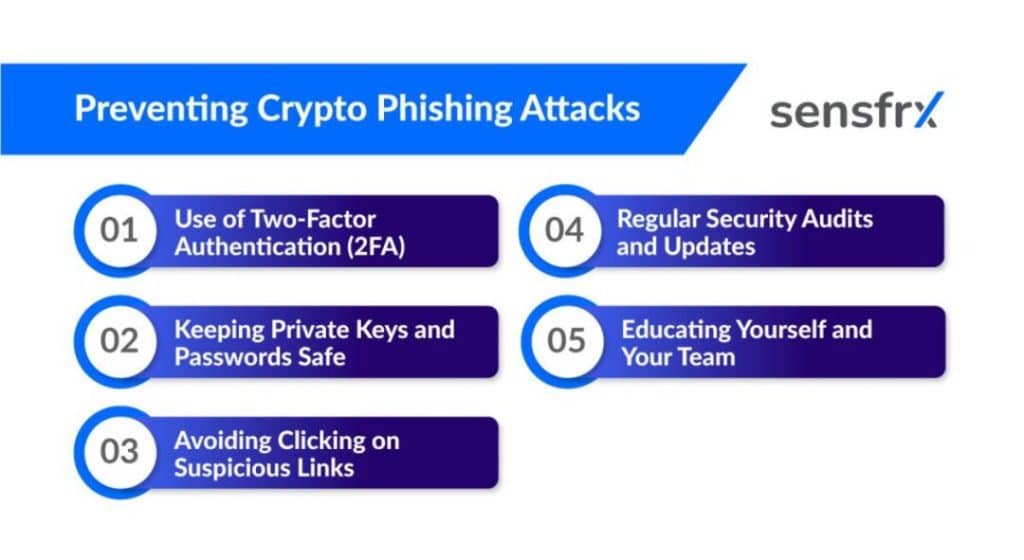
While the threat landscape is evolving, there are still effective ways to reduce risk. In my experience, the key is to develop strong habits rather than rely on a single solution.
Users should always verify URLs manually rather than clicking on links. Enabling two-factor authentication adds an extra layer of protection, but it should not be seen as a complete safeguard. Most importantly, private keys and recovery phrases should never be shared under any circumstances.
It’s also essential to stay updated on emerging threats. Trusted organizations regularly publish guidance on how to recognize and avoid scams. For example, the Cybersecurity and Infrastructure Security Agency provides detailed resources on Bitcoin security concerns, helping users understand the latest risks and best practices.
The Bigger Picture: Trust in a Decentralized World
As I reflect on the rise of Bitcoin security concerns, I see a broader issue at play. Cryptocurrency was built on the idea of removing intermediaries and giving individuals control over their finances. But with that control comes a new kind of vulnerability.
Trust is no longer placed in institutions it is placed in personal knowledge and decision-making. This shift requires a different mindset, one that prioritizes education, skepticism, and continuous learning.
The technology itself remains strong. The challenge lies in how we interact with it.
Awareness Is the First Line of Defense
The surge in phishing scams targeting Bitcoin users is a clear reminder that security is not static it evolves alongside technology. While Bitcoin’s underlying system remains secure, the human element continues to be the weakest link.
In my view, addressing Bitcoin security concerns requires more than technical solutions. It demands a cultural shift toward greater awareness and responsibility. Users must understand not only how to use Bitcoin, but how to protect it.
As the crypto ecosystem continues to grow, so too will the sophistication of threats. The best defense is not fear, but informed action. By staying alert, verifying information, and adopting strong security practices, investors can navigate this landscape with confidence.
Ultimately, the future of Bitcoin security will depend not just on innovation, but on the choices we make every day.