As I analyze the latest developments shaping the financial sector, one story stands out above the rest: U.S. bank capital rule changes are redefining how banks operate, lend, and manage risk. Regulators are signaling a shift toward loosening capital requirements, potentially freeing up nearly $175 billion across major institutions.
At first glance, this appears to be a move designed to stimulate economic activity. More capital flexibility means banks can deploy funds into loans, investments, and business expansion. But beneath that optimism lies a deeper question are we unlocking growth, or quietly reintroducing systemic risk?
What Are Capital Requirements—and Why Do They Matter?
To understand the significance of these changes, it’s important to step back and look at what capital requirements actually do. In simple terms, they are the financial buffers banks must hold to absorb potential losses during economic downturns.
These safeguards were heavily reinforced after the 2008 financial crisis, when undercapitalized institutions triggered a global meltdown. Regulations such as Basel III forced banks to maintain stronger balance sheets, ensuring they could withstand shocks without collapsing.
Now, with U.S. bank capital rule changes, regulators are proposing a reduction of roughly 4–5% in required capital levels. That may sound modest, but in a trillion-dollar industry, even small percentage shifts translate into massive liquidity.
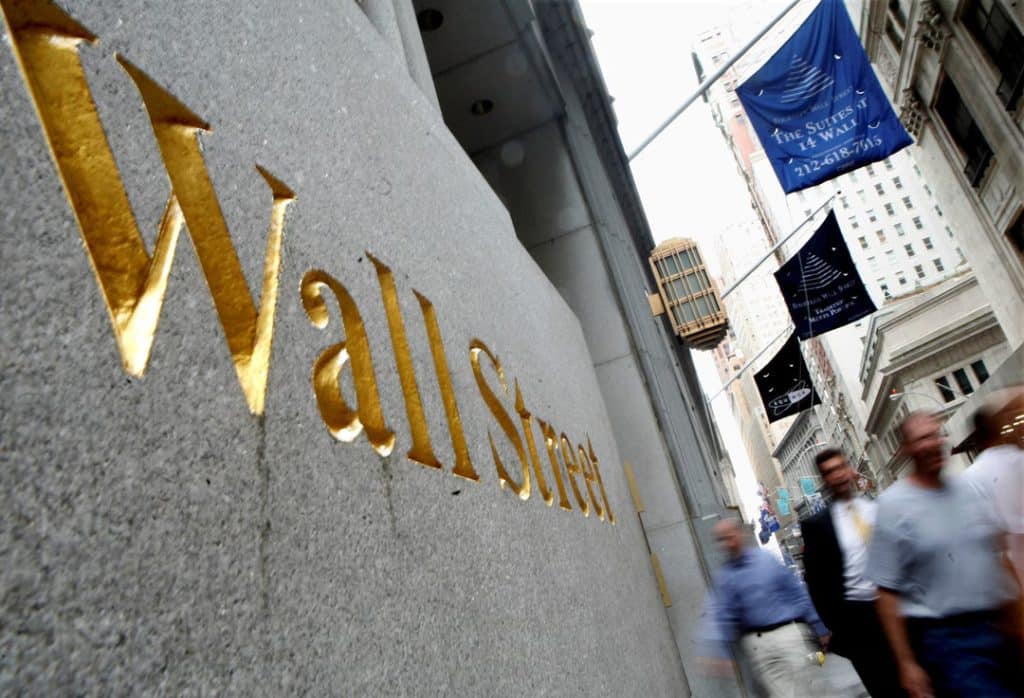
Unlocking $175 Billion: A Boost for Lending and Growth
From my perspective, the most immediate impact of these changes is clear: more available capital means more economic activity.
Banks will have greater freedom to:
- Expand business and consumer lending
- Finance infrastructure and corporate projects
- Increase mergers, acquisitions, and market investments
This injection of liquidity estimated at $175 billion could act as a powerful catalyst, especially in a global economy still navigating inflation pressures and uneven growth.
In practical terms, this could mean easier access to loans for businesses, more competitive mortgage rates, and increased funding for innovation. For policymakers, this aligns with a broader goal: keeping economic momentum alive without direct government spending.
The Risk Factor: Lessons From 2008 Still Linger
However, I can’t look at these U.S. bank capital rule changes without recalling the hard lessons of the past. Critics argue that reducing capital buffers even slightly could weaken the system’s ability to absorb future shocks.
The concern is not hypothetical. Before 2008, banks operated with thinner cushions, assuming markets would remain stable. When they didn’t, the consequences were catastrophic.
Today’s situation is different banks are stronger, more regulated, and subject to stress testing. Yet, the underlying principle remains the same:
Less capital equals less protection.
Some analysts warn that loosening requirements could:
- Encourage riskier lending behavior
- Increase exposure to volatile markets
- Amplify the impact of future financial downturns
The debate ultimately centers on balance how much flexibility is safe without compromising stability?
Why Regulators Are Making This Move Now
Timing is everything, and these changes are not happening in isolation. From my observation, regulators are responding to a combination of economic and competitive pressures.
First, global growth remains uncertain. Central banks are navigating inflation, interest rate adjustments, and geopolitical disruptions. Allowing banks to lend more is seen as a way to support economic resilience.
Second, competition is intensifying. Fintech firms, private lenders, and even crypto-based financial systems are challenging traditional banking models. By easing restrictions, regulators may be helping banks stay competitive in a rapidly evolving financial landscape.
Finally, there’s a recognition that post-2008 rules, while necessary, may now be overly restrictive in certain areas. Adjusting them could reflect a more modern understanding of risk management.
For deeper insight into regulatory frameworks and financial stability, the Federal Reserve provides detailed analysis on U.S. bank capital rule changes and their broader economic implications.
A Delicate Balance Between Growth and Stability
What makes this moment particularly fascinating is the tightrope regulators are walking. On one side is the promise of growth more lending, stronger markets, and increased economic activity. On the other is the ever-present risk of instability.
From my perspective, the success of these U.S. bank capital rule changes will depend on execution. If banks use the additional capital responsibly focusing on sustainable lending and prudent investment the benefits could be significant.
However, if competition or profit pressures push institutions toward aggressive risk-taking, the system could face vulnerabilities that only become visible during the next downturn.
The Broader Impact on Consumers and Businesses
For everyday consumers and businesses, these changes may not be immediately obvious but their effects will be felt.
Borrowers could benefit from:
- Easier loan approvals
- More competitive interest rates
- Greater access to credit
At the same time, the long-term implications depend on financial stability. A stronger lending environment is positive, but only if it is built on a solid and resilient banking system.
Businesses, particularly small and mid-sized enterprises, may see new opportunities for expansion as capital becomes more accessible. This could drive job creation and innovation across multiple sectors.
A High-Stakes Evolution in Banking
As I reflect on these developments, one thing is clear: U.S. bank capital rule changes represent a pivotal shift in modern finance.
They offer a compelling opportunity to unlock growth, increase lending, and support economic momentum. Yet, they also carry inherent risks that cannot be ignored. The shadow of past financial crises serves as a reminder that stability should never be taken for granted.
Ultimately, this is not just a regulatory adjustment it’s a test of discipline for both banks and policymakers. If managed wisely, it could mark the beginning of a more dynamic and resilient financial system. If not, it may expose cracks that only appear when the next crisis arrives.
In today’s evolving financial landscape, the real challenge is not choosing between growth and safety but finding the balance that sustains both.