Pep Guardiola’s name does not need much help moving attention. Put him next to Italy, the World Cup, and another national-team reset, and the market conversation starts before any official contract does.
That is exactly why bettors need to slow down.
The Guardiola angle is not just a coaching rumor. It is a pricing test. Italy’s World Cup problem has become too large to be solved by reputation alone, even if the name involved belongs to one of the most influential coaches of the modern era. The smarter question is not whether Guardiola would make Italy more interesting.
Of course he would.
The sharper question is whether bookmakers, bettors, and futures markets would overprice the name before the structure underneath Italy actually changes.
Digital Wager Wire has looked before at how headline odds can hide the better read behind the favorite, especially when the market turns one obvious storyline into the whole board. That same logic applies here, because sports betting odds analysis is rarely just about who looks strongest on paper. It is about timing, price, and what the public is willing to believe too quickly.
Italy under Guardiola would be a massive story. Italy as a World Cup betting position would still be more complicated.
Rumors Create Attention, Not Automatic Value
The Guardiola-to-Italy discussion works because it hits several emotional buttons at once. Italy are a historic football power. Guardiola is a historic club coach. The World Cup is the one stage where national identity, tactical mythology, and betting markets all crash into each other.
That makes the rumor powerful.
It does not make it clean.
Football Italia’s report on Guardiola Italy job rumors captured the split reaction around the idea. Some see Guardiola as the kind of radical appointment Italy need after another World Cup failure. Others see the same old problem hiding under a shinier name: Italy do not just need a famous coach. They need a functional national-team plan.
For bettors, that distinction matters. A club coach can shape patterns every day. A national-team coach works with short windows, uneven player form, limited preparation time, and qualification pressure that punishes slow experiments.
Guardiola’s brand is built on repetition, positional detail, high-level automation, and control. International football gives him less of all four.
That is not a reason to dismiss the idea. It is a reason to price it carefully.
Italy’s World Cup Market Problem Is Bigger Than The Bench
Italy’s recent World Cup record has changed the way the market should view them. This is not a team coming off one bad tournament. It is a national side fighting the weight of repeated failure, tactical confusion, and a player-pool debate that has followed Italian football for years.
The betting market usually reacts quickly to manager changes. A familiar pattern appears: the famous coach arrives, futures odds shorten, public money follows the story, and the board adjusts before the new project has produced evidence.
That could happen with Italy.
But Italy’s World Cup reset is not like a club hiring a manager before a 38-game league season. There is no long domestic runway. There is no transfer market fix. There is no chance to buy a left back, add a pressing forward, or replace a midfield profile that does not fit the model.
National teams solve problems through selection, identity, and timing. That makes the manager important, but not all-powerful.
The name can move the market. The structure has to justify the price.
That is where Italy become dangerous for futures bettors. Not dangerous because they lack talent. Dangerous because the market may treat “Guardiola” as a shortcut for “fixed.”
The Club Coach Problem Changes The Betting Math
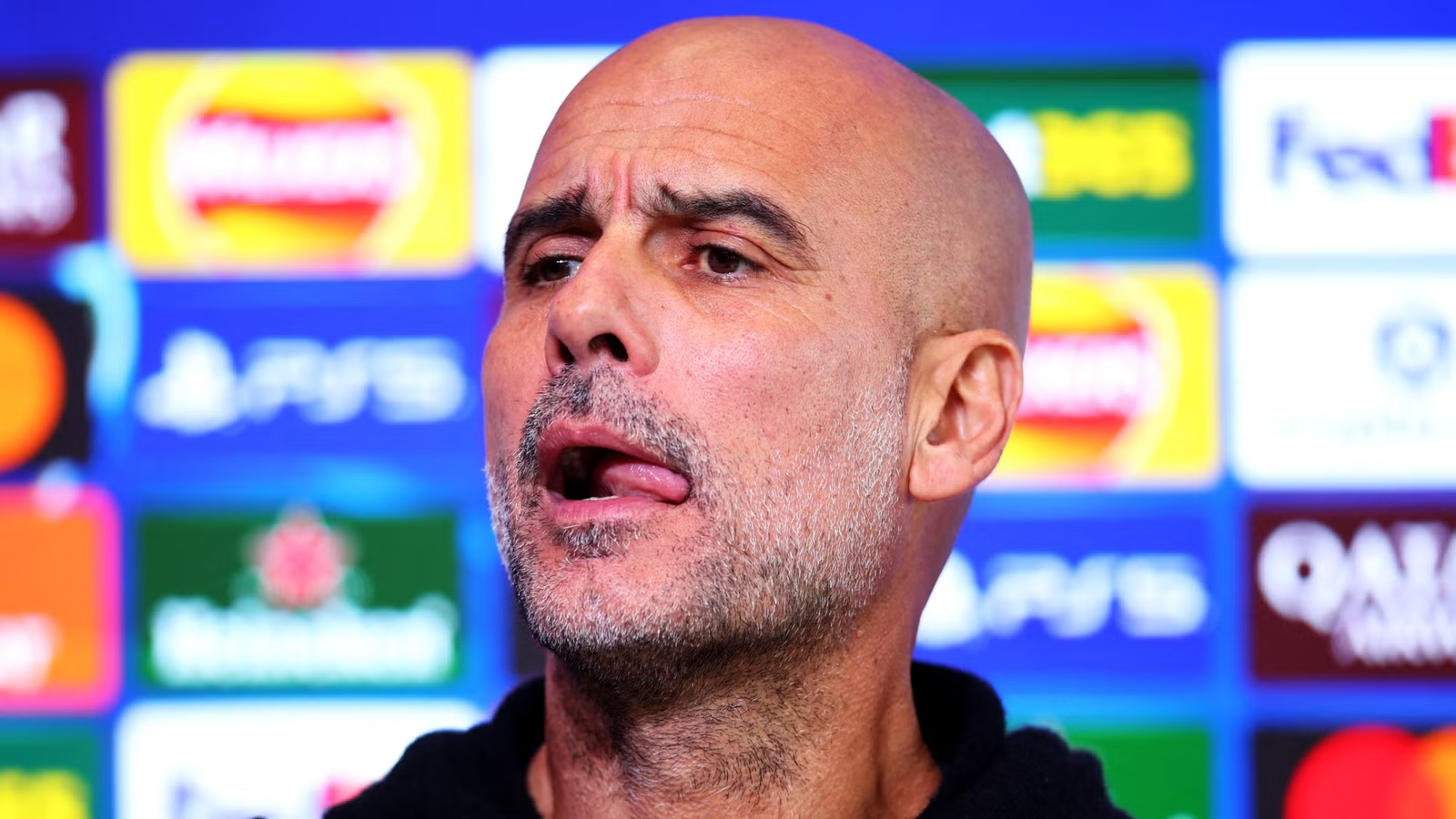
Guardiola’s greatest teams have been built through time. Barcelona, Bayern Munich, and Manchester City all became recognizable because the tactical habits were trained repeatedly. Spacing, pressing triggers, overloads, rest defense, rotations, and positional discipline did not appear overnight.
International football is different.
A national-team coach gets scattered windows, uneven fitness levels, and players who spend most of the season inside different club systems. That can be especially tricky for a coach whose football depends on precision.
The market should ask one question before reacting to any Italy appointment: how much of the coach’s real edge travels to the international game?
| Betting Question | Why It Matters For Italy |
|---|---|
| Can Guardiola simplify his model? | National teams rarely have time to install a complex club-style system. |
| Would Italy’s player pool fit his principles? | The squad must support possession, pressing, and positional flexibility. |
| How fast would the market react? | Public money could shorten Italy futures before evidence appears. |
| Does the qualifying path support patience? | World Cup cycles punish slow starts and tactical uncertainty. |
| Would the appointment change perception more than results? | Reputation can move odds faster than performance data. |
That table is the whole market issue.
Guardiola would not be priced like an ordinary appointment. He would be priced like a symbol. Bettors would need to decide whether that symbol creates real value or removes it.
The Public Would Bet The Name Before The System
There is a reason coach rumors can matter in futures markets. They offer a simple story. A struggling team hires a genius. The rebuild begins. The old fear disappears.
Sportsbooks know that story sells.
Italy with Guardiola would probably attract casual futures interest quickly. Bettors who have watched his club teams dominate domestic leagues may assume the same influence transfers directly to the World Cup stage. That would create a classic market squeeze: public enthusiasm on one side, cautious professional evaluation on the other.
The public price would likely focus on what Guardiola has done.
The sharper price would focus on what Italy can actually become.
That difference is where value can appear. If the market overcorrects, Italy could become too expensive relative to their real tournament profile. If the market remains skeptical, the appointment could create opportunity before results confirm the change.
But the first move would likely be emotional.
And emotional moves are where futures boards get messy.
Italy’s Reset Needs Identity Before Odds Compression
The biggest mistake bettors can make is treating Italy’s next coach as a single variable. The better view is to see the appointment as one part of a larger identity reset.
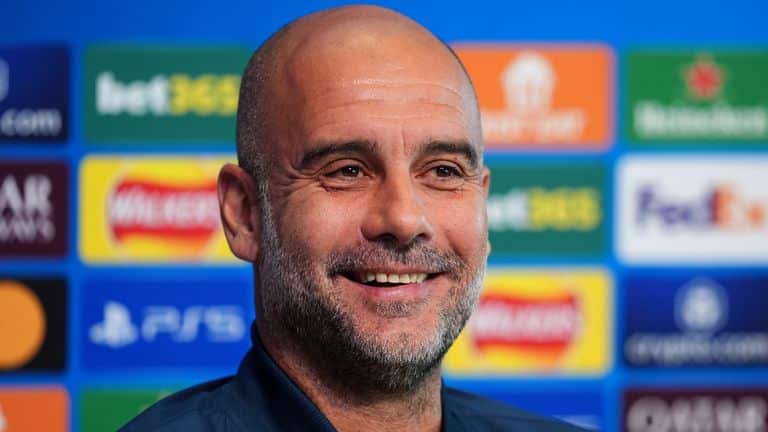
Italy need a clearer answer to how they want to play under tournament pressure. Are they returning to compact control and defensive structure? Are they trying to become a higher-possession side? Are they building around midfield control, wide overloads, or transition speed? Are they developing a younger spine or leaning on experienced tournament players?
Those questions matter more than the press conference.
Guardiola would bring a clear football philosophy, but Italy would still need the right squad balance. A coach cannot manufacture elite profiles from thin air during an international break. He can select, organize, motivate, and simplify.
That may be enough to improve Italy.
It may not be enough to justify a major World Cup futures move.
This is where Digital Wager Wire’s regular market logic applies cleanly: the headline favorite is often not the whole story. The price behind the headline is where the serious read begins.
Bettors Should Watch The First Market Move, Not The First Rumor
The Guardiola rumor is useful because it gives bettors a signal to monitor. Not a bet to rush.
The first thing to watch would be how quickly Italy’s futures odds move if the speculation becomes more serious. A small adjustment would suggest cautious respect. A major compression would suggest public and media heat are doing real work.
The second thing to watch would be the candidate pool. If Italy move toward Guardiola, Antonio Conte, Roberto Mancini, Massimiliano Allegri, or another heavyweight name, each coach implies a different betting profile. Conte would suggest structure and intensity. Mancini would suggest familiarity and emotional restoration. Allegri would suggest pragmatism. Guardiola would suggest a deeper tactical reset.
Those are not cosmetic differences. They change how Italy should be priced.
The third thing to watch is timing. If Italy are already operating from a damaged qualification or tournament position, even a great coach may inherit less runway than the market wants to admit.
That is the trap.
A great appointment can still be a bad price.
The Real Value May Sit Behind The Guardiola Headline
The Guardiola-Italy rumor matters because it forces the market to confront a bigger question: how much is a coach worth in international football when the underlying national-team issues are structural?
That is why this story fits World Cup betting more than ordinary managerial gossip. Guardiola’s name would shift attention. It could shift futures prices. It could shift perception of Italy’s ceiling.
But perception is not the same as probability.
For disciplined bettors, the better move is not to chase the headline. It is to watch how the board reacts to the headline. If Italy shorten too aggressively, the value may move elsewhere. If bookmakers remain cautious while the project gains real tactical shape, Italy could become more interesting later.
The name matters.
The reset matters more.
And in a World Cup market that punishes lazy assumptions, Italy’s next price will tell bettors whether they are buying a rebuild or just paying extra for the most famous name in the room.