The ongoing conflict involving Iran and the United States has placed one of the world’s most critical maritime routes under intense pressure. In this analysis of the Strait of Hormuz crisis, I examine how rising military tensions in the Persian Gulf are affecting global energy supply, shipping security, and international markets.
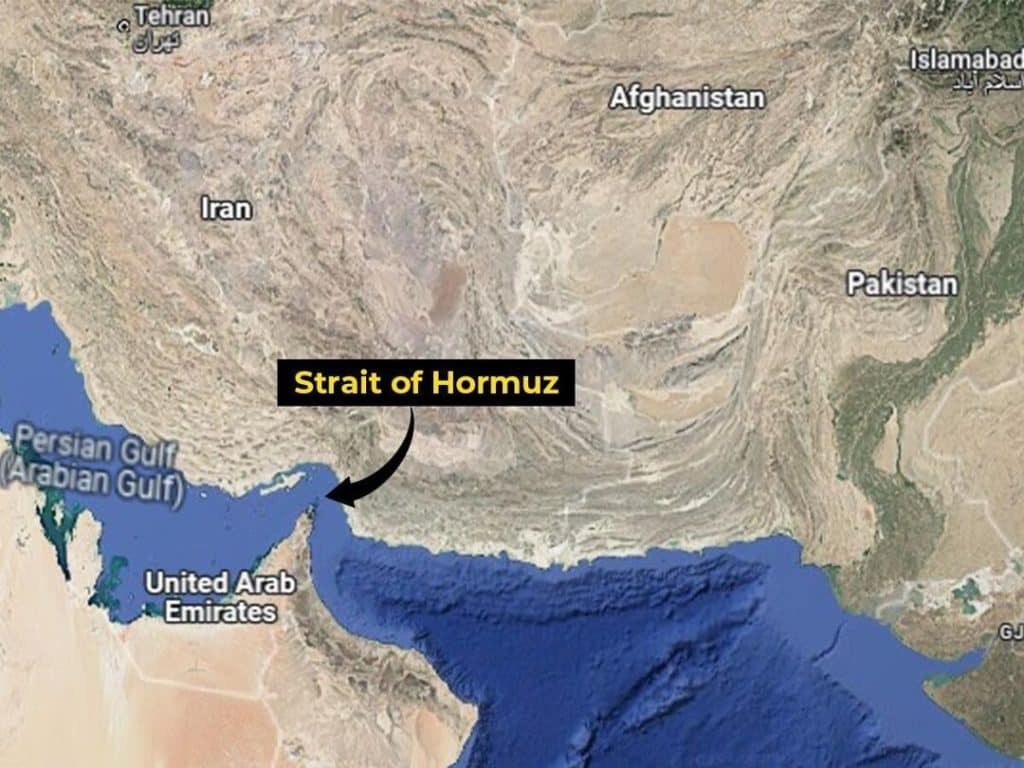
The Strait of Hormuz is a narrow waterway connecting the Persian Gulf to the Gulf of Oman and the Arabian Sea. Despite its modest size, it carries an enormous strategic significance. Each day, millions of barrels of crude oil pass through this route, making it one of the most vital energy corridors in the world.
As the conflict between Iran and the United States escalates, the Strait of Hormuz has become a focal point for geopolitical tension. Any disruption in this passage has the potential to ripple through global energy markets, influencing oil prices, supply chains, and international diplomacy.
Why the Strait of Hormuz Is So Important to the Global Economy
To fully understand the Strait of Hormuz crisis, it is essential to appreciate the role this narrow passage plays in the global energy system.
According to the U.S. Energy Information Administration, approximately 20 percent of the world’s petroleum liquids consumption moves through this waterway each day. This enormous volume of energy exports originates primarily from major Gulf producers such as Saudi Arabia, United Arab Emirates, Kuwait, and Iraq.
When I examine the scale of this maritime traffic, it becomes clear why the Strait is often described as the most important oil chokepoint on the planet. Tankers carrying crude oil, liquefied natural gas, and refined petroleum products travel through the passage daily to supply markets in Asia, Europe, and North America.
The official analysis from the Strait of Hormuz crisis by the U.S. Energy Information Administration highlights just how dependent global energy markets are on the safe passage of ships through this corridor.
When conflict threatens the Strait, the consequences extend far beyond the Middle East.
Escalation Between Iran and the United States
The Strait of Hormuz crisis is closely tied to the growing confrontation between Iran and the United States. Military operations, airstrikes, and retaliatory actions have dramatically increased tensions in the region.
Iran has historically viewed control of the Strait as a strategic leverage point. During periods of conflict, Iranian officials have warned that they could restrict shipping or target vessels passing through the waterway.
Meanwhile, the United States maintains a significant naval presence in the Persian Gulf to ensure that commercial traffic can continue moving safely through international waters. This includes warships tasked with protecting tanker routes and deterring potential attacks.
From my perspective as an observer of global security trends, the current standoff demonstrates how energy infrastructure and geopolitical conflict are deeply interconnected. The Strait is not merely a shipping route it is a strategic bargaining chip in regional power struggles.
The Immediate Impact on Oil Prices
One of the first effects of the Strait of Hormuz crisis can be seen in the global oil market. Whenever tensions escalate near the Strait, energy traders react quickly.
Even the possibility of disruption can cause oil prices to spike, as markets anticipate potential shortages. The reason is simple: if tankers cannot pass safely through the Strait, global supply would tighten rapidly.
Countries that rely heavily on imported energy particularly in Asia are especially sensitive to such developments. Major economies such as China, Japan, and South Korea import large volumes of Gulf oil transported through the Strait.
This interconnectedness means that regional tensions can quickly evolve into a worldwide economic concern.
Shipping Risks and Military Presence in the Gulf
The current Strait of Hormuz crisis has also increased risks for international shipping companies.
Commercial tankers navigating the region must now operate under heightened security measures. Some vessels travel in convoys escorted by naval forces, while insurance premiums for shipping companies have risen sharply.
From a logistical perspective, the challenge is enormous. If the Strait were completely blocked even temporarily oil exporters would struggle to move their products to global markets.
Although some pipelines bypass the Strait, their capacity is limited. This means the waterway remains an irreplaceable artery for global energy trade.
Global Efforts to Prevent a Full-Scale Disruption
As tensions rise, international actors are attempting to prevent the Strait of Hormuz crisis from escalating further.
Several countries have called for diplomatic engagement and maritime security cooperation to ensure safe passage for commercial ships. Naval patrols and surveillance missions have increased throughout the region to monitor potential threats.
Energy-importing nations are also exploring ways to reduce vulnerability to supply disruptions. Strategic petroleum reserves, alternative shipping routes, and diversification of energy sources are all part of broader contingency planning or others Bet Online.
However, the reality remains that no alternative route can fully replace the volume of energy currently transported through the Strait.
The Long-Term Implications for Global Energy Security
Looking beyond the immediate conflict, the Strait of Hormuz crisis raises broader questions about the stability of the global energy system.
For decades, the international economy has depended heavily on oil shipments from the Persian Gulf. The current tensions highlight how fragile that dependence can be.
Many analysts believe the crisis may accelerate efforts to diversify global energy sources, including renewable energy and alternative supply routes. While such transitions will take time, geopolitical shocks often push governments to rethink their long-term energy strategies.
In this sense, the crisis may serve as a reminder that energy security and geopolitical stability are inseparable.
A Critical Chokepoint With Global Consequences
After examining the events surrounding the Strait of Hormuz crisis, it becomes clear that this narrow waterway holds enormous influence over the global economy.
The escalating tensions between Iran and the United States have placed one of the world’s most important energy routes under unprecedented pressure. Any disruption to shipping in the Strait could affect oil prices, supply chains, and economic stability worldwide.
What makes this situation particularly significant is the sheer scale of energy flowing through the passage. With roughly one-fifth of the world’s oil supply passing through the Strait, the stakes could hardly be higher at US foreign policy analysis.
As diplomatic and military efforts continue to manage the crisis, the world is reminded that even a relatively small stretch of water can shape global markets and international relations. The Strait of Hormuz remains not only a strategic chokepoint but also a symbol of how interconnected the modern world has become.