Ukrainian authorities have detained a former senior energy official while he was allegedly attempting to leave the country, according to statements from anti-corruption investigators. The arrest is linked to a wide-ranging probe into suspected financial misconduct within Ukraine’s energy sector.
The individual, who previously served as energy minister, had stepped down from government last year following public scrutiny tied to a corruption scandal. Officials say he was intercepted while crossing the state border and has since been transferred to Kyiv for further questioning.
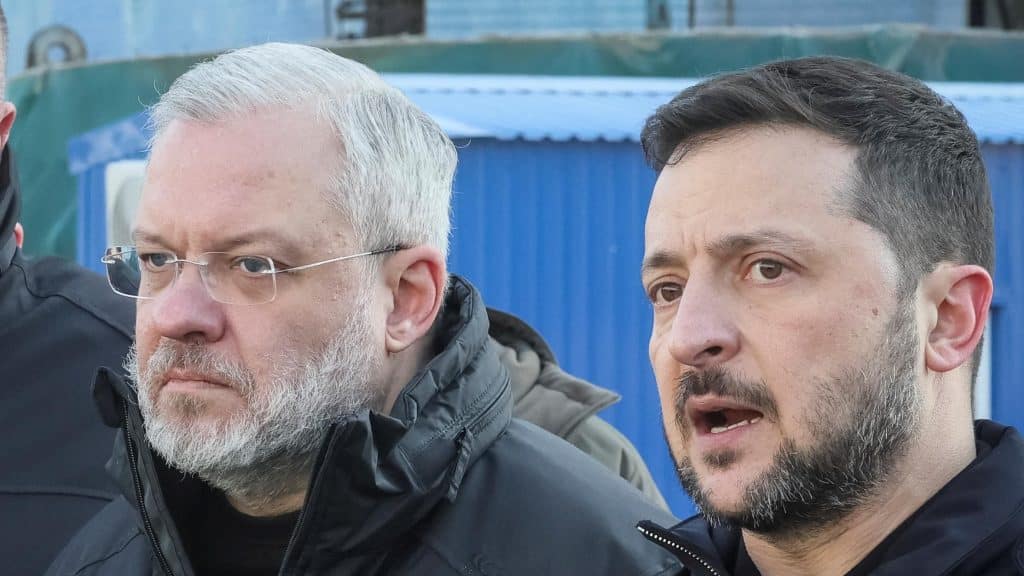
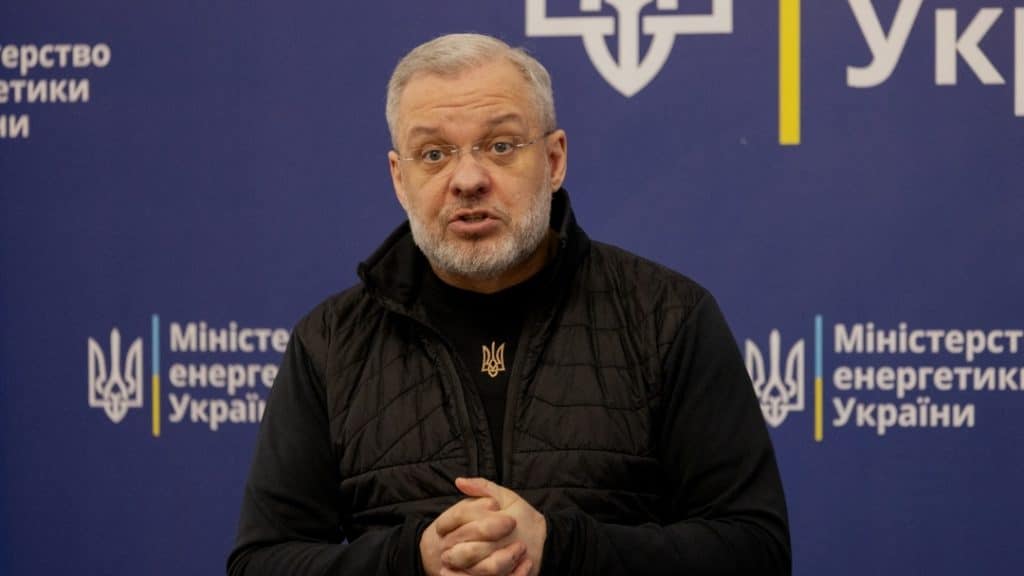
While authorities have not initially released his name, multiple Ukrainian media outlets have identified him as German Galushchenko, who held the energy portfolio for several years before briefly serving in another ministerial role.
The detention marks a significant development in what investigators describe as one of the most consequential anti-corruption operations in recent years.
Operation Midas: A 15-Month Investigation Into Energy Sector Deals
The arrest is tied to a large-scale investigation informally known as “Operation Midas,” spearheaded by the National Anti-Corruption Bureau of Ukraine (NABU) and the Specialized Anti-Corruption Prosecutor’s Office (SAP).
According to officials, the probe lasted more than a year and examined alleged irregularities in contracts and procurement processes within the state-controlled energy sector. Investigators claim the scheme involved systematic kickbacks from contractors working with the national nuclear energy operator, Energoatom.
Authorities allege that certain officials and intermediaries may have received between 10% and 15% of contract values in illicit payments. Investigators also claim that portions of the funds were laundered and moved abroad.
NABU has released limited public details, stating that further updates will follow as the case develops.
For broader context on Ukraine’s anti-corruption framework and institutional reforms, readers can consult the OECD’s overview of Ukraine’s anti-corruption reforms.
Political Fallout for Kyiv’s Leadership
The scandal has placed renewed pressure on Ukraine’s political leadership, particularly on President Volodymyr Zelenskyy, who came to power promising to root out entrenched corruption.
Although neither the president nor his closest advisers have been formally accused of wrongdoing, the controversy has fueled domestic criticism and intensified international scrutiny. Zelensky’s administration has emphasized its support for independent investigations and has maintained that no official is above the law.
The broader political landscape remains complicated by the ongoing war following Russia’s full-scale invasion in 2022. Under martial law provisions, national elections have been suspended a decision permitted under Ukraine’s constitution during wartime conditions.
International observers, including policymakers in the United States and the European Union, continue to monitor governance reforms closely. The highlight anti-corruption progress as a central requirement for Ukraine’s EU membership aspirations.
Corruption Allegations in a Time of Energy Crisis
The timing of the scandal has amplified public reaction. Russia has repeatedly targeted Ukraine’s power grid and energy infrastructure, particularly during winter months. Allegations that officials may have enriched themselves from energy contracts during such a vulnerable period have sparked widespread outrage.
Ukraine’s energy sector is strategically vital not only for domestic stability but also for European energy security. Energoatom, which operates the country’s nuclear power plants, plays a central role in maintaining electricity supply during wartime disruptions.
Allegations that kickbacks were extracted from contractors within this sector strike at the heart of public trust, especially as the country continues to rely heavily on Western financial and military assistance.
Transparency advocates argue that visible enforcement actions are essential to maintaining both domestic credibility and international support.
For insight into how corruption perceptions affect countries globally, Transparency International’s Corruption Perceptions Index provides annual rankings and analysis.
Other High-Profile Figures Implicated
The investigation reportedly extends beyond the former energy minister. Several other officials and business figures have faced scrutiny in connection with the case.
Among those previously detained or investigated is Oleksiy Chernyshov, a former deputy prime minister, who was arrested last year on suspicion of illicit enrichment after being charged with abuse of office.
Reports have also indicated that certain business associates connected to influential political circles left the country after being identified as suspects. These developments have fueled debates about accountability, influence networks, and the resilience of Ukraine’s reform institutions.
Despite the political sensitivities, Ukrainian authorities insist that anti-corruption agencies are operating independently and without political interference.
Legal Process and What Comes Next
Following his interception at the border, the former energy official is expected to face formal questioning in Kyiv. Prosecutors will determine whether sufficient evidence exists to pursue charges and seek pre-trial detention.
Under Ukrainian law, suspects are presumed innocent unless proven guilty in court. The accused has previously stated that he intends to contest the allegations.
The coming weeks will likely clarify the strength of the prosecution’s case and whether additional arrests follow.
Observers note that high-profile anti-corruption cases can take months or even years to reach final resolution, particularly when complex financial transactions and cross-border fund transfers are involved.
Implications for Ukraine’s Reform Agenda
For Ukraine, the stakes extend far beyond a single individual. Anti-corruption enforcement remains a central pillar of the country’s domestic reform strategy and a prerequisite for deeper integration with the European Union.
Since the establishment of NABU and SAP nearly a decade ago, Ukraine has made measurable institutional progress. However, critics argue that enforcement consistency and judicial follow-through remain ongoing challenges.
The detention of a former cabinet-level official sends a strong signal that even senior figures are not immune from investigation. Whether that signal translates into durable systemic reform will depend on transparent legal proceedings and credible judicial outcomes.
As Ukraine continues navigating wartime pressures and geopolitical uncertainty, the outcome of this case may serve as a barometer for the strength of its democratic institutions.
In a country fighting both an external war and an internal battle against corruption, the interception of a former energy minister at the border underscores the fragile balance between reform, accountability, and political stability. The investigation’s ultimate findings will shape not only individual reputations but also Ukraine’s broader path toward governance reform and European integration.