Key Facts
- Betting on elections in offshore gambling sites has been growing in popularity.
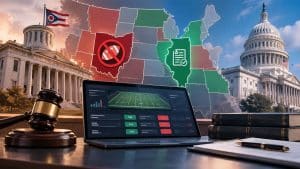
- In September, the Commodities Futures Trading Commission rejected a bid that would allow betting on Congressional elections in the U.S.
- A betting site, Kalshi, filed suit in November claiming that the ruling was illegal.
Betting on politics, specifically on election outcomes has been skyrocketing in popularity since the 2016 election. By many estimates, more than $1 billion was wagered on the outcome of the 2020 presidential election.
The vast majority of the money being bet on U.S. elections, however, has taken place outside of U.S. borders. For the most part, it’s been illegal to bet on election outcomes at casinos and sites based in America.
If a handful of U.S.-based startups have their way, that might be about to change. The legal fight is on to allow for betting on American elections by Americans in America.
Who’s in Charge Here?
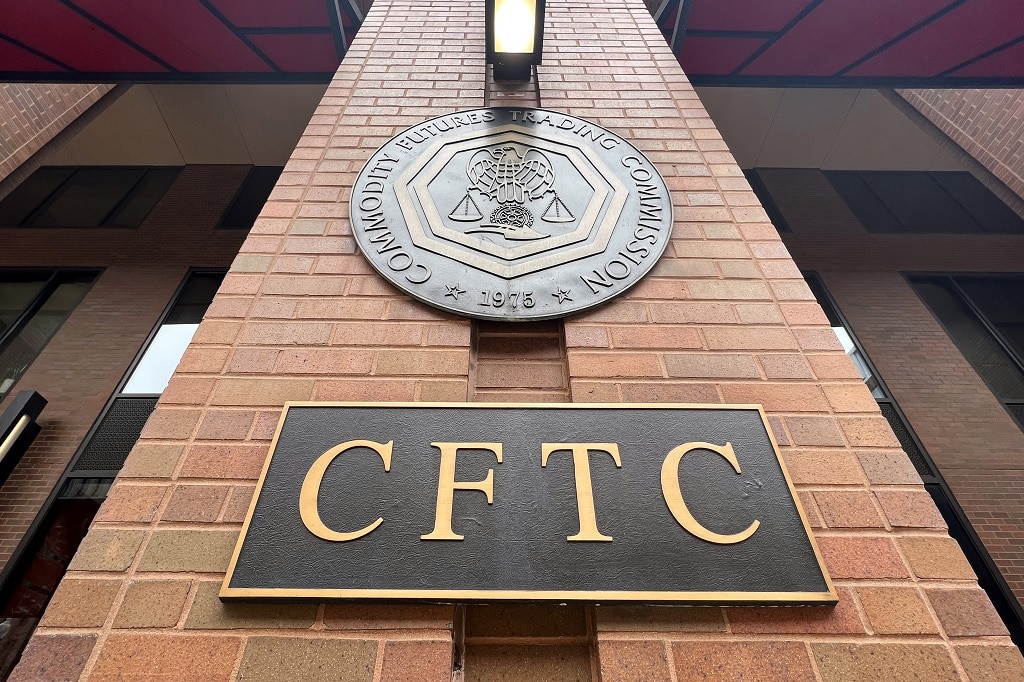
The decision on whether or not to allow betting on elections is the responsibility of the Commodities Futures Trading Commission or CFTC. The government agency was created in 1974 to help regulate derivates markets, such as commodities futures.
As technology has helped new products arise, the CFTC has been given additional regulatory responsibilities. They are the ones in charge of regulating BitCoin and other cryptocurrencies. And they also are the regulators for election betting, which, in the form it’s being proposed, is categorized as a “derivatives contract”.
What Are Companies Trying To Do?
You actually can bet on elections in the U.S. at the moment, but not very much, and only if you’re one of the few chosen ones. A company called PredictIt began offering election derivatives contracts. It’s a non-profit educational project based out of a New Zealand university. It allows customers to purchase contracts for future events, such as “Donald Trump will be elected president.”
You buy these contracts for a certain price, say 61 cents. If Trump isn’t elected, the contract loses all value, and you’re out whatever you paid for it. If he is elected, it pays off at $1, so, in this example, you’d make 39 cents for every contract you bought.
The CFTC initially tried to block PredictIt’s election contracts, but, after some negotiation and court rulings, it was decided that, since it’s an educational venture, it could continue. Bets are capped at $850, however, and there can only be 5,000 users.
As early as 2012, the North American Derivatives Exchange (NADEX) tried to offer political event contracts, but the CFTC ruled it was contrary to public interest and constituted illegal gaming. It also refused to allow hedging on the contracts, because it was difficult to estimate the economic value of election results.
Feelings Change
Prevailing sentiment on gaming has changed over the last decade, as one state after another has opened the door to sports betting. The time was right for someone to take another shot at offering election markets.
This year, another company, Kalshi, decided to get in on the market in a big way. It was founded in 2018 and was licensed by the CFTC in 2020, becoming the first federally regulated event-based trading exchange in the U.S. It offered contracts on entertainment, news events, the economy and more. However, when it tried to offer a contract this year on which party would gain control of Congress in the 2024 election, the CFTC stepped in.
In September, the agency ruled that Kalshi couldn’t allow contracts on elections, saying that there wasn’t enough “economic value” for the risks involved. Those risks included the potential for election tampering and violating existing laws on gambling in many states.
In defending the decision, the CFTC chairman said election betting would make the agency “an election cop” and it would need to devote significant resources to “monitoring elections, candidates, and countless participants in the political machinations that proliferate in the media and cyberspace…to prevent manipulation and false reporting.”

This Isn’t Over
Kalshi has filed suit. In early November, the company requested that the federal court vacate the ruling since it was “arbitrary, capricious, and otherwise contrary to law.” According to Kalshi, the CFTC can only block a contract if the event being wagered on is related to crimes or events such as assassinations, terror attacks or acts of war.
PredictIt won in an appeals court to allow its extremely limited election betting. If Kalshi gets a similar result in court, the limits would fall away and the market would be unshackled. Kalshi’s proposal allowed for individual bets up to $250,000, and contract participants could hedge up to $100 million.
If Kalshi’s efforts fail, the options for election betting will be the small market offered by PredictIt, as well as the much larger one available at offshore books.