A major banking cyberattack does not have to empty customer accounts to cause serious problems. It could interrupt transfers, prevent customers from accessing their money, delay essential payments or expose information that criminals could exploit later. A practical bank cyberattack response plan is becoming increasingly valuable as financial institutions confront sophisticated digital threats.
The immediate priority is understanding what kind of incident has occurred. A bank-wide systems breach requires a different response from an individual account takeover. Existing guidance on protecting bank accounts from fraud can help reduce personal vulnerabilities, but customers also need a plan for situations where the bank’s own systems or service providers are compromised.
Recent Cyberattacks Show Why Banking Security Matters
On November 5, 2026, French bank Crédit Mutuel Arkéa disclosed that approximately €100 million was missing following a cyberattack involving fraudulent transfers.
The attackers reportedly used an account belonging to the institution to move money to other banks. The bank temporarily suspended certain transactions, creating delays while investigators worked to determine what happened.
Crucially, the bank said customer accounts and assets were not affected.
The details of the banking cyberattack demonstrate an important distinction: hackers can cause substantial financial and operational disruption without directly stealing customer deposits.
The incident also comes amid heightened attention to cybersecurity following a multibillion-dollar attack against cryptocurrency exchange Binance. U.S. banking supervisors reportedly contacted financial institutions to check for unusual activity and potential vulnerabilities.
Those inquiries do not establish that American banks were successfully hacked or that a widespread banking attack is imminent.
Nevertheless, the incidents illustrate why banks must defend payment infrastructure, internal systems, employee credentials and third-party technology providers.
The financial system’s connections create shared vulnerabilities, even when an attack begins outside traditional banking.
How A Banking Cyberattack Could Affect Customers
Cyberattacks can produce different consequences depending on the systems involved.
A ransomware incident could disrupt access to banking applications or internal services. Stolen credentials might allow criminals to enter individual customer accounts. A compromised payment provider could interfere with transactions between financial institutions.
Some attacks focus on stealing personal information rather than immediately transferring money.
Others target the technology banks use to process legitimate financial activity.
That distinction matters because customers may see a banking app become unavailable and assume their savings have disappeared.
An inaccessible account does not necessarily mean the underlying deposits were stolen.
Customers should look for verified information explaining whether the incident involves a temporary outage, unauthorized transactions, exposed personal information or a combination of problems.
The appropriate response depends on the actual threat.
Bank Cyberattack Response Plan: What To Do Immediately
If a bank announces a security incident, the worst response is to follow unverified instructions circulating through messages or social media.
Instead, customers should take deliberate steps based on what they can confirm.
| Situation | Immediate Action | Purpose |
|---|---|---|
| Online banking becomes unavailable | Contact the bank through a verified telephone number | Confirm the outage and available services |
| Suspicious transactions appear | Report them immediately to the fraud department | Begin the dispute process and limit further losses |
| Login credentials are compromised | Change passwords using a trusted device | Prevent unauthorized account access |
| A payment fails or remains pending | Check its status before submitting it again | Avoid duplicate payments |
| Debit or credit card details are exposed | Ask the issuer about locking or replacing the card | Reduce the risk of further unauthorized charges |
| Personal identity information is stolen | Consider a credit freeze and identity-theft reporting | Reduce the risk of fraudulent new accounts |
| A caller demands an emergency transfer | Hang up and independently contact the bank | Avoid impersonation scams |
Customers should also preserve transaction records, account alerts and communications concerning suspicious activity.
If regular online access is unavailable, use an established customer-service telephone number or visit a branch when practical.
Never send money to a supposed emergency account simply because someone claims the bank is under attack.
Legitimate financial institutions do not require customers to transfer their savings to an unfamiliar account to protect them from hackers.
What Happens If Hackers Steal Money From Your Account?
Unauthorized transactions require immediate action.
Customers should contact their financial institution, explain which transactions they did not authorize and request a formal investigation.
For U.S. consumer accounts, the Electronic Fund Transfer Act and Regulation E provide important protections against qualifying unauthorized electronic transfers.
The timing of a report can affect liability.
If a debit card or other covered access device is lost or stolen, reporting the loss within two business days generally limits potential liability to $50.
If an unauthorized electronic transfer appears on a statement without a lost or stolen access device, customers generally have 60 days from the date the statement was sent to report the transaction and preserve important protections.
Different circumstances can produce different liability outcomes.
The Consumer Financial Protection Bureau’s unauthorized transaction recovery guidance explains that financial institutions generally have ten business days to investigate reported errors, subject to applicable exceptions and extended investigation procedures.
Customers should not assume every stolen payment will automatically be reimbursed.
Protections can differ for consumer and business accounts, wire transfers, cryptocurrency transactions and payments customers were deceived into authorizing themselves.
Report suspicious transactions immediately, even when the amount appears small.
Cybercriminals May Exploit The Panic After An Attack
The damage from a banking cyberattack may extend beyond the original breach.
Criminals can exploit public anxiety by impersonating bank employees, cybersecurity specialists or government investigators.
A fraudulent caller might claim that an account has been compromised and demand a verification code.
Another might send a convincing message directing customers to a fake security portal.
Attackers may already possess names, telephone numbers or partial account information obtained through previous data breaches, making their impersonation attempts more credible.
Customers should independently verify requests through established banking channels rather than trusting incoming messages.
Never disclose one-time authentication codes, grant remote access to a device or install unfamiliar software at the request of an unexpected caller.
A real security incident can create opportunities for an entirely separate fraud campaign.
How To Prepare Before Another Banking Incident
Preparing for a cyberattack does not require withdrawing savings or abandoning digital banking.
It requires reducing dependence on any single access method.
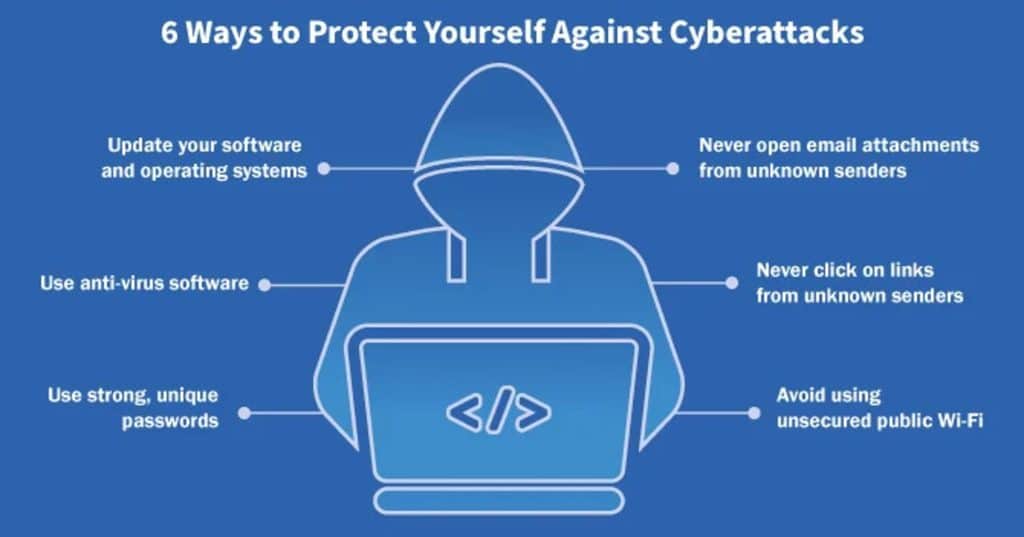
Customers can strengthen their financial resilience by maintaining unique passwords, enabling multifactor authentication and activating transaction notifications.
Keeping a secondary payment method with a different financial institution can also help if a primary bank experiences an extended outage.
Households should retain secure copies of essential account information, payment due dates and customer-service telephone numbers.
A modest emergency cash reserve may provide additional flexibility during a temporary disruption, provided it can be stored safely.
Customers should also understand what deposit insurance actually covers.
FDIC insurance generally protects eligible deposits at insured U.S. banks if the institution fails, subject to applicable coverage limits. It does not directly insure customers against cyber theft or ordinary account fraud.
Those losses are handled through separate consumer-protection laws, account agreements and dispute procedures.
The most effective preparation is therefore a combination of account security and financial flexibility.
Banking Cybersecurity Is Now A Consumer Preparedness Issue
The recent attacks against financial institutions and digital-asset infrastructure reinforce a serious concern: even well-established organizations can experience security failures.
But the existence of cyber threats does not justify predictions of an imminent banking collapse or widespread loss of customer deposits.
The more useful lesson is that banking customers need to distinguish an operational outage from an unauthorized withdrawal, recognize impersonation attempts and understand their rights when money disappears.
A bank cyberattack response plan should be straightforward: verify the incident, contact the institution, secure affected accounts, preserve evidence and report unauthorized activity without delay.
Banks carry responsibility for protecting their systems. Customers cannot control every institutional vulnerability, but they can prepare for interruptions and respond effectively when something goes wrong.
In a financial system where money moves in seconds, knowing what to do during a cyberattack may be just as valuable as knowing how to prevent one.