The GOP midterm convention is being built as a show of confidence, but the timing makes it feel just as much like a rescue mission. President Donald Trump and Vice President JD Vance are heading to Dallas with a clear assignment: energize Republicans before November while shifting attention toward domestic issues and away from the political baggage weighing down the party.
For campaign watchers, the event matters because midterm politics are often about momentum, not just policy. That is why national conventions, polling movement and voter enthusiasm can become useful signals for readers tracking political risk around the best U.S. betting sites.
GOP Midterm Convention Gives Trump a Prime-Time Reset
The Dallas event gives Republicans something most midterm campaigns usually lack: a national convention-style platform built around a sitting president’s agenda. Vance is scheduled to headline one night, with Trump set to headline the next, turning the two-day gathering into a direct pitch for party unity.
The event is unusual because conventions are normally reserved for presidential nomination years. A midterm convention sends a different message. Republicans are not simply trying to introduce candidates. They are trying to define the election before Democrats define it for them.
That is the strategic value of the two-night convention plan. It gives the GOP a chance to place Trump, Vance, cabinet officials and party candidates inside one coordinated story about taxes, healthcare, border control, trade and domestic manufacturing.
The reset is intentional. Republicans want the midterms to be about Trump’s domestic record, not a referendum on the administration’s weakest issues.
The Domestic Focus Is the Real Tell
The most revealing part of the convention is not who is speaking. It is what the party wants to talk about.
Taxes, healthcare affordability, border security, trade and manufacturing are safe Republican themes because they let candidates speak to voters’ household concerns and cultural anxieties at the same time. They also allow Trump and Vance to frame the midterms as a choice between Republican competence and Democratic overreach.
That matters because the GOP enters the fall with several defensive problems. Inflation remains politically dangerous. The Iran war has produced questions about costs and strategy. Trump’s approval numbers are not strong enough to carry every vulnerable Republican across the finish line by force of personality alone.
A convention centered on domestic issues is a way to discipline the message. It tells candidates what to repeat. Tells conservative media what to amplify. It tells donors what races still need money. It also tells voters which issues Republicans want sitting at the center of the campaign.
The absence of a major foreign-policy focus is not accidental. It is campaign triage.
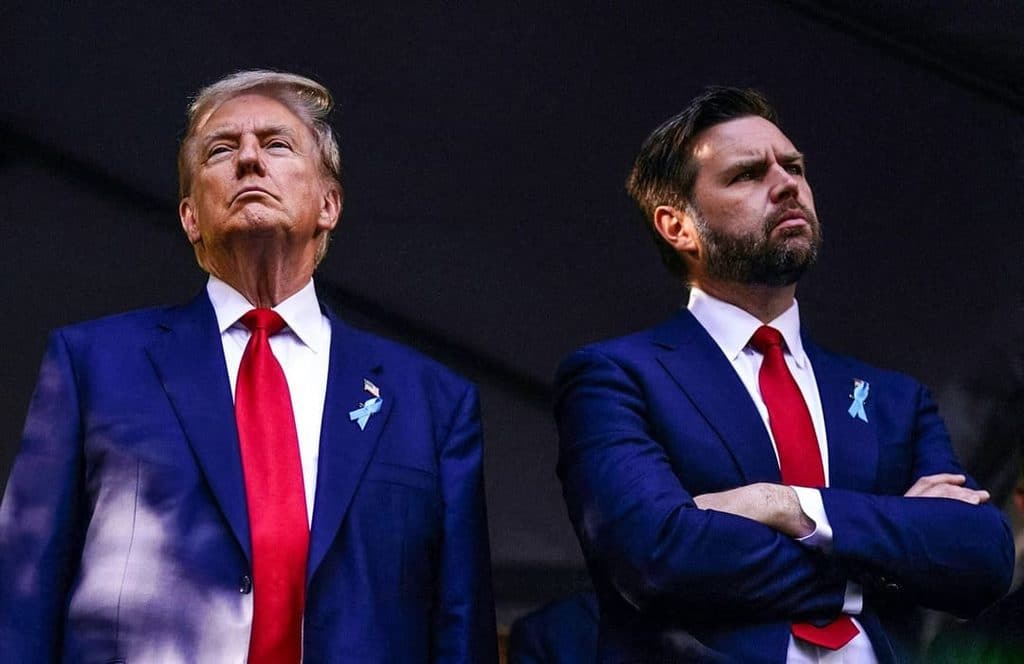
Trump and Vance Have Different Jobs in Dallas
Trump remains the party’s main draw, but Vance’s role may be just as important. The vice president can speak to younger conservatives, working-class populists and voters who want the Trump movement framed as something bigger than one political figure.
That division of labor matters. Trump can provide the emotional charge. Vance can provide the continuity argument. Together, they give Republicans a two-part message: the administration has delivered, and the party has a future after this cycle.
That does not guarantee persuasion. Conventions mostly motivate people already leaning toward the party. But in a midterm, motivation can be enough. Lower turnout means small changes in enthusiasm can matter more than broad persuasion.
Base energy matters because Republicans do not need every skeptical voter to become enthusiastic. They need enough supporters to believe the stakes justify showing up.
Comparison Table: Rally Message vs. Rescue Mission
The convention’s strength is also its weakness. Every message Republicans push in Dallas comes with a political risk they are trying to manage.
| GOP Convention Message | Political Purpose | Hidden Risk |
|---|---|---|
| Tax relief | Tie Republicans to household savings | Voters may still focus on broader cost pressures |
| Healthcare affordability | Soften attacks on GOP domestic policy | Democrats may challenge specifics |
| Border control | Reignite a core Republican advantage | Overuse may narrow the party’s appeal |
| Trade and manufacturing | Speak to working-class voters | Results must feel visible locally |
| Anti-left messaging | Define Democrats as too ideological | Could distract from kitchen-table concerns |
The table shows why the convention is not simply a celebration. It is a messaging test. Republicans need themes that energize the base without ignoring voters who are anxious about prices, war and political instability.
The Iran Problem Still Hangs Over the Event
Even if the convention avoids foreign policy, the broader Iran war pressure will not disappear from the campaign environment.. Voters do not need a foreign-policy panel to connect war pressure with gasoline prices, military risk and uncertainty.
That is the challenge for Trump. A successful convention can dominate headlines for a few days, but it cannot permanently bury issues that voters feel in their budgets or see in nightly news coverage. If Iran keeps producing price shocks, troop concerns or diplomatic setbacks, Democrats will not need Republicans to mention it from the stage.
The broader Dallas convention strategy reflects that tension. Republicans want to talk about domestic wins while neutralizing the sense that the White House is being pulled off-message by foreign-policy problems.
Avoidance is not escape. If Iran remains a live liability, the convention can redirect attention but not erase the issue.
The Midterm Test Is Whether the Message Travels
The biggest question after Dallas will be whether the convention message survives outside the hall. A packed crowd, polished speeches and prime-time clips can make a party look unified. The real test comes when candidates carry that message into swing districts and contested Senate races.
Some Republicans will benefit from the national spotlight. Others may prefer local issues and distance from Washington drama. That difference matters because midterm campaigns are not all fought in the same political weather.
A candidate in a deep-red district can embrace the full Trump-Vance message. A candidate in a competitive suburban race may highlight tax relief, public safety or manufacturing while speaking less about the president himself. A Senate candidate in a state with high independent turnout may need an even more careful balance.
That is why the convention should be read as a starting gun, not a finishing move. It may sharpen the party’s pitch, but it cannot solve every candidate’s local problem.
The GOP midterm convention gives Trump and Vance the national stage Republicans wanted before November. Whether it becomes a true rescue mission depends on what happens after the applause ends: if voters hear a disciplined domestic message, the event could help stabilize the party’s midterm push. If inflation, Iran and weak approval numbers keep breaking through, Dallas may look less like a victory lap and more like proof that Republicans knew they needed saving.