The specter of Donald Trump’s renewed interest in “grabbing” Greenland has revived diplomatic tensions and raised critical questions about NATO’s future. This surprising twist blending American realpolitik, Arctic strategy, and transatlantic unity places Europe’s security alliance at a crossroads. As Trump rallies support for this ambitious and provocative idea, NATO’s resilience and leadership face one of their most serious tests yet.
Trump’s Greenland Bid: The Geopolitical Stakes
While Trump’s 2019 public proposal to buy Greenland from Denmark was widely met with skepticism and ridicule, his renewed push as part of his broader campaign rhetoric signals serious undertones. Greenland’s vast Arctic territory, its untapped mineral resources, and its strategic military location have made it a focal point for global competition between the U.S., Russia, and China.
How Trump’s Greenland Aspirations Threaten NATO Unity
Undermining Allied Trust
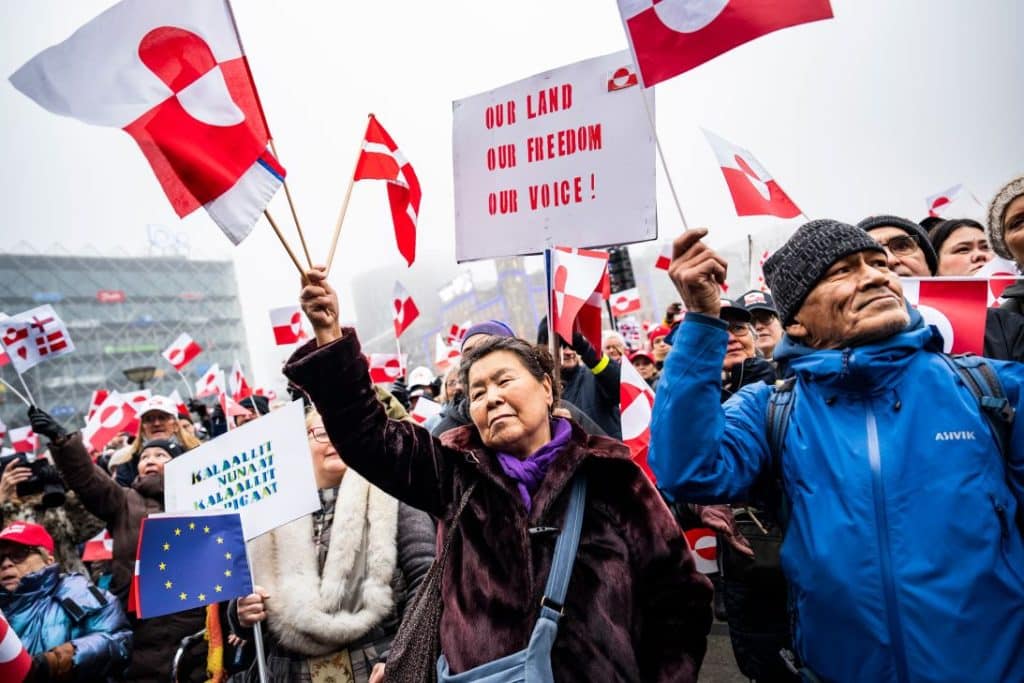
Trump’s repeated suggestions of acquiring Greenland without consultation with partners directly challenge the cooperative spirit underpinning NATO. Such actions risk deepening rifts between the U.S. and key European allies, especially Denmark, which controls Greenland as an autonomous territory. Denmark’s critical role in NATO’s northern flank makes this escalation more than a symbolic spat it’s a threat to alliance cohesion.
Fueling External Adversaries
The Greenland saga also hands propaganda ammunition to adversaries like Russia and China, both eager to exploit NATO discord. Arctic security has grown only more crucial with climate change opening new maritime pathways and resource frontiers. Any sign of division gives strategic leverage to powers contesting Western influence in the region.
Who Can Defend NATO’s Interests?
NATO’s Steadfast Voice
NATO’s Secretary General stands as the most prominent figure defending alliance principles when member states clash. Jens Stoltenberg, or his successor, is tasked with mediating disputes, reassuring allies, and maintaining open channels of dialogue. His role is vital in reinforcing that every member, large or small, has equal stake in decision making.
Stoltenberg has repeatedly emphasized unity, stressing that issues impacting one member like the sovereignty of Greenland demand collective consultation and consensus.
The European Union: Diplomatic Counterweight
The EU, though not formally part of NATO, wields significant influence through its diplomatic and economic power. EU leaders can apply pressure on the U.S. to respect European sovereignty and seek compromise by leveraging trade and security ties. An assertive EU stance may also deter future unilateralism in Arctic affairs, signaling that attempts to bypass allied consent will have consequences.
Congressional and Senate Leadership in the United States
Even within the U.S., Congress plays a pivotal role in foreign policy oversight. Lawmakers concerned about international reputation, alliance stability, and pragmatic security interests may seek to constrain or shape any executive attempts at “grabbing” Greenland. Bipartisan voices from the Senate Armed Services and Foreign Relations Committees could advocate publicly for upholding mutual security commitments.
Guardian of Greenland’s Sovereignty
As Greenland’s sovereign overseer and a longstanding NATO ally, Denmark wields moral and legal authority. Its government, supported by EU and NATO members, would be expected to push back forcefully against any forced acquisition, using international law and multilateral diplomacy to defend its interests.
Strategic Steps to Safeguard NATO
- Diplomatic Engagement: Swift, transparent talks between Washington, Brussels, Copenhagen, and other capitals are paramount. Communication can prevent misunderstandings, reassure smaller allies, and defuse tensions before they spiral.
- Public Commitment to Collective Security: NATO leaders must reaffirm Article 5 and the alliance’s core values on sovereignty and self-determination.
- Consultative Reforms: Adopting procedures that require discussion of Arctic and territorial issues can signal that such matters cannot be settled unilaterally, even by the largest member.
Can NATO Withstand New Strains?
As Trump’s rhetoric about Greenland escalates, NATO finds itself balancing tradition and transformation. The alliance’s durability has always rested on dialogue, shared purpose, and cool heads in turbulent times. In confronting this latest test, NATO’s leaders and partners must rely on those same qualities to chart a path forward.
Ultimately, preserving NATO’s unity and credibility will require leadership, patience, and a reaffirmation that collective strength and not unilateral ambition is still the foundation of transatlantic security.