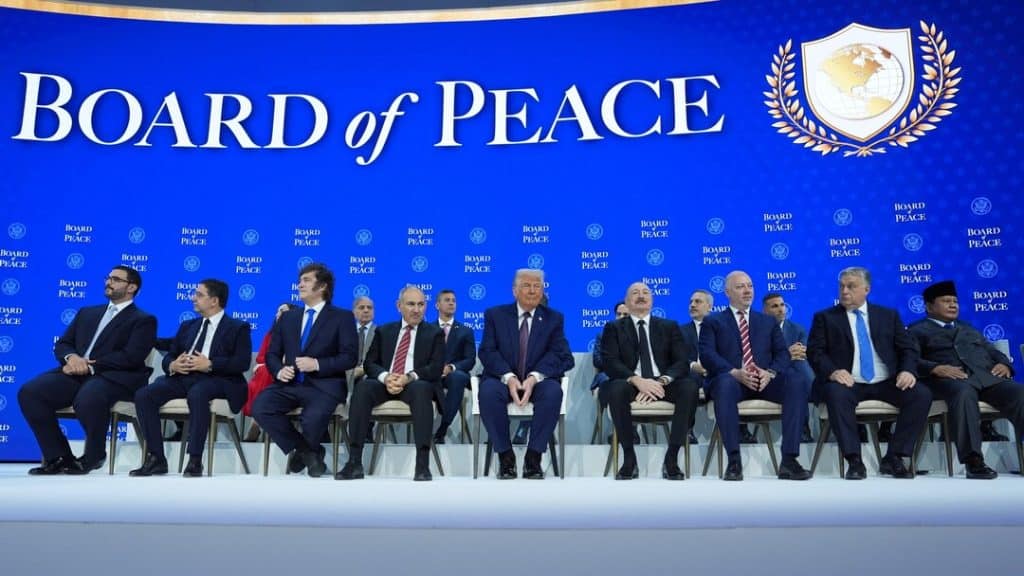
In recent weeks, European capitals hesitant about Trump’s Gaza Peace Board proposal have signaled reluctance to endorse a U.S.-led initiative intended to help stabilize and govern Gaza after years of conflict. The proposal formally introduced by U.S. President Donald Trump at the World Economic Forum in Davos, Switzerland outlines the creation of a “Board of Peace” that would oversee post-conflict reconstruction and broader peace efforts. Yet despite Trump’s optimism, many European nations and the European Union (EU) remain cautious, raising questions about legitimacy, governance, and the relationship of the new board to existing international institutions.
What Is the Gaza “Board of Peace”?
The proposed Gaza “Board of Peace” is an international body championed by President Trump as part of a broader plan to resolve the long-running Gaza conflict and support reconstruction. According to draft documents, the board would initially focus on Gaza but later expand its remit to other conflict zones. It would be chaired by Trump and include member states that commit financial and political support.
Trump’s vision for the board reflects his strategy to reshape global leadership structures and assert American influence in post-war governance. However, its unconventional design including leadership and membership conditions has alarmed some traditional U.S. allies in Europe.
European Capitals Hesitant Over Mandate and Legal Concerns
One of the core reasons why European capitals hesitant about Trump’s Gaza Peace Board proposal is widespread unease over the board’s legal basis and its potential to sideline established multilateral institutions such as the United Nations.
French officials have explicitly voiced concern that the board, as currently drafted, could undermine the legal frameworks that underpin international peace and security. Paris has emphasized that while it supports peace initiatives, it cannot endorse structures that appear to replace or weaken the United Nations and its charter.
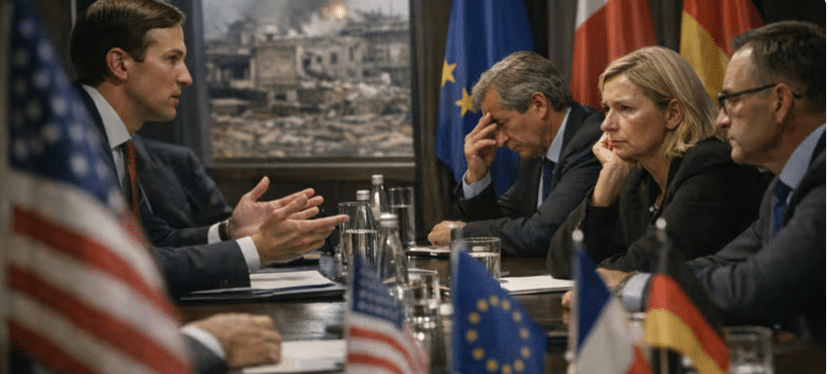
Similarly, Berlin has raised constitutional questions about the board’s current framework, noting that its governance and oversight mechanisms are incompatible with Germany’s legal principles. German Chancellor Friedrich Merz has stated that Germany cannot accept the proposal in its present form, even as Berlin expresses willingness to cooperate on peace efforts.
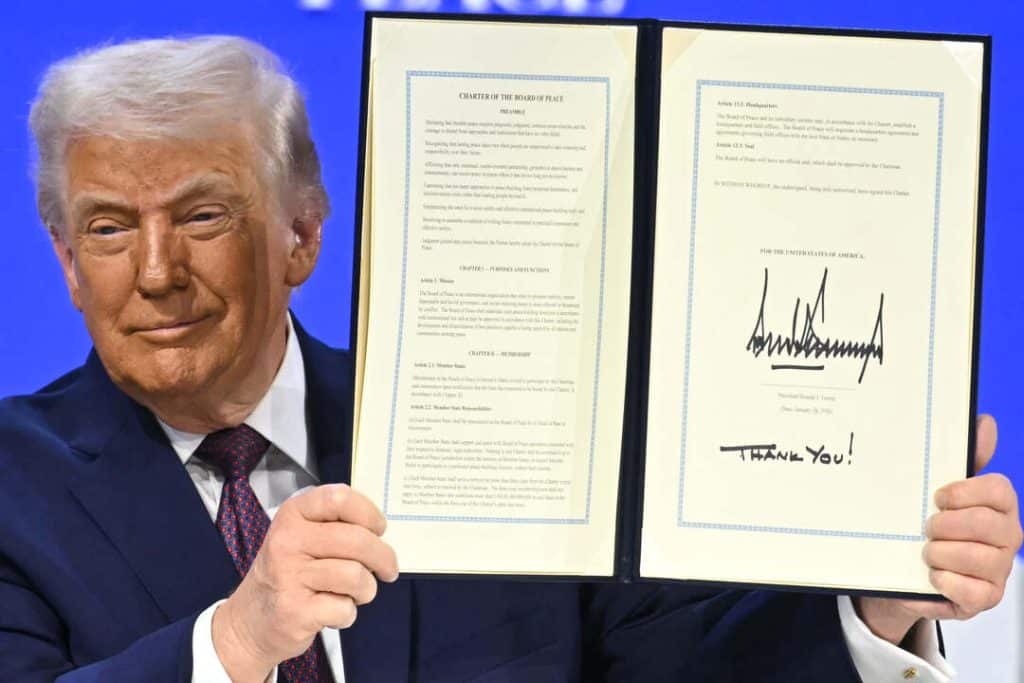
A recent Euractiv report also highlighted that the EU’s diplomatic service has identified legal concerns with the charter underpinning the Board of Peace initiative, strengthening European doubts about its architecture and implications for international law.
Diverging Reactions Across European Governments
The stance among European capitals is not monolithic, but overarching patterns of caution and reservation have emerged:
France and several Western European countries declined to sign the board’s founding document, citing concerns about its broad mandate and implications for the United Nations system.
The United Kingdom has indicated it will not join “at this stage,” pending further clarity on the board’s role and relationship with existing frameworks.
EU institutions have been engaged in careful analysis, underscoring the importance of respecting international law and multilateral norms.
Amid these reservations, some European leaders continue to articulate support for peace and reconstruction in Gaza, albeit through other avenues. The European Union released a statement endorsing diplomatic efforts to end the conflict and emphasizing humanitarian assistance, support for a two-state solution, and cooperation with the United Nations.
This nuanced approach reflects a broader European strategy: backing peace and relief while remaining skeptical of new institutions that could realign global governance structures.
Broader Geopolitical Implications
The hesitation of European capitals has implications that extend beyond the Gaza conflict itself. Analysts warn that Europe’s reluctance to engage fully with the Board of Peace could signal deeper transatlantic divides on how international peace and security challenges are addressed.
European leaders have underscored their commitment to upholding international law and maintaining a rules-based order. This stance emerges against a backdrop of recent diplomatic tensions, including disagreements over other U.S. foreign policy moves in areas like the Arctic and trade relations.
The European Union’s focus remains on strengthening multilateral cooperation through established channels, especially the United Nations and regional partnerships. While some European countries do not dismiss U.S. efforts outright, they are advocating for peace initiatives that complement rather than compete with existing institutions.
Cooperation or Competition?
As discussions unfold, the central question for global diplomacy is whether Trump’s Board of Peace can evolve into a credible mechanism that invites broader participation, including from European capitals hesitant about Trump’s Gaza Peace Board proposal.
For now, many European governments are willing to engage in humanitarian assistance, reconstruction support, and ceasefire efforts but they insist that these must align with international law and involve a robust role for the United Nations.
Moving Forward
European capitals hesitant about Trump’s Gaza Peace Board proposal are shaping one of the most consequential transatlantic debates of recent years. Balancing support for peace in Gaza with a commitment to multilateral norms and legal frameworks, European leaders are signaling that any new institution must respect long-established international systems. Whether these hesitations can be resolved through diplomatic engagement remains to be seen, but the current divide illustrates the complexities of global peacemaking in the 21st century.