Rising tensions in the Middle East have captured global attention as the United States and Israel signal readiness to strike Iran. The recent deployment of six U.S. Navy destroyers, along with additional warships, highlights an unprecedented military buildup in the region. With Iran responding to these moves with bold rhetorical and military posturing, the world is watching closely for what could be a significant escalation.
Recent Escalation: Warships, Drones, and Heightened Rhetoric
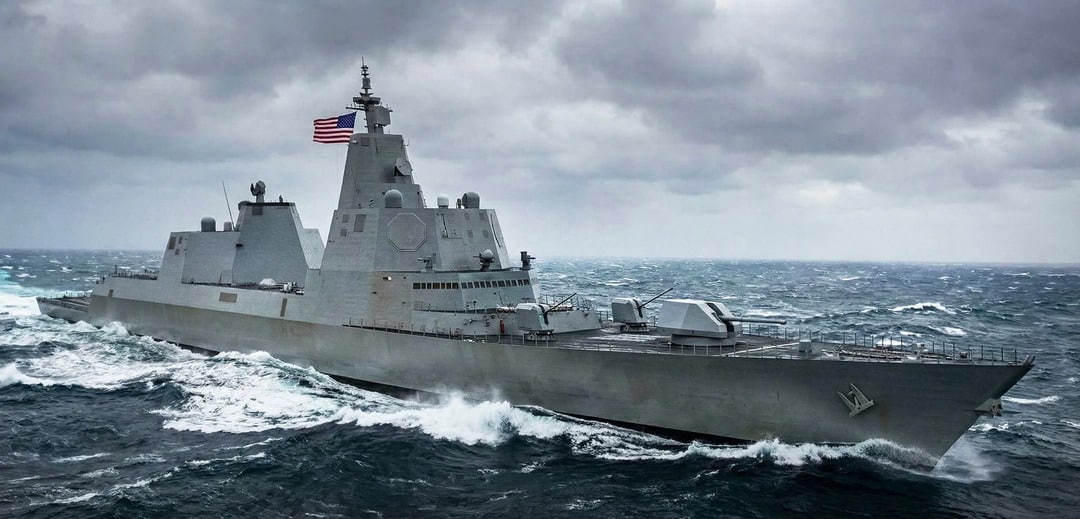
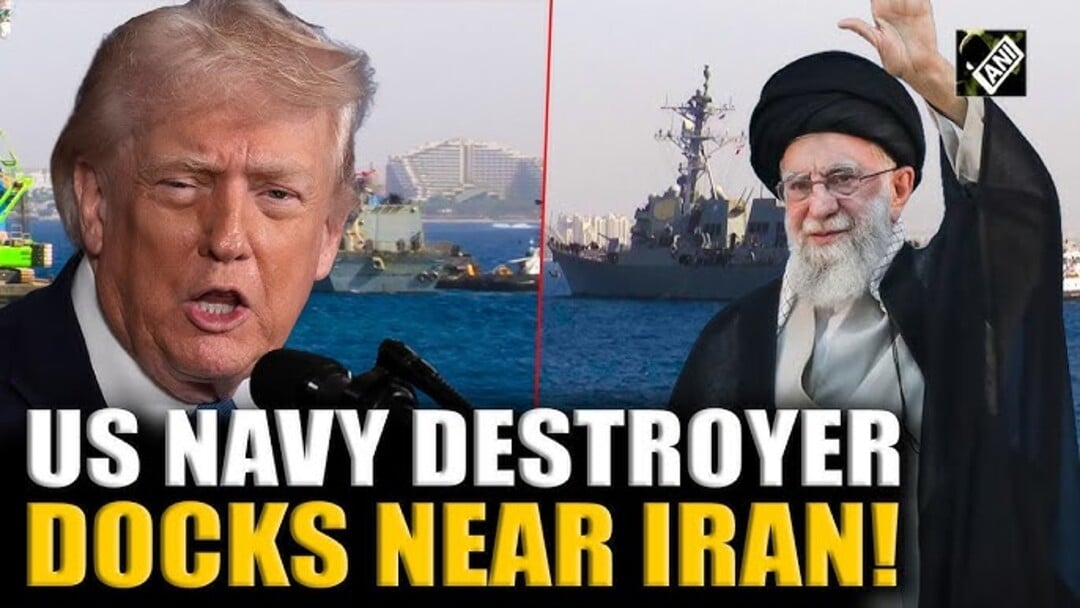
The deployment of the USS Delbert D. Black to Middle East waters brings the total number of U.S. destroyers in the area to six. These warships, equipped for both offensive and defensive operations, join an American aircraft carrier and a fleet of support vessels, marking a formidable naval presence. These destroyers are capable of launching Tomahawk missiles, intercepting enemy drones, and providing critical intelligence.
Simultaneously, Iran is bolstering its own military assets. Reports indicate the recent arrival of a new shipment of 1,000 drones, heightening concerns about Tehran’s ability to project force regionally. The Iranian Revolutionary Guard Corps (IRGC) has publicly stated that U.S. bases and carriers are “within range” of their medium-range missiles. This saber-rattling underscores the high-stakes standoff currently gripping the Persian Gulf.
Diplomatic Strain vs. Military Posturing
Despite the military buildup, President Trump has indicated a willingness to pursue diplomatic engagement with Tehran, stating his intention to talk with Iranian leaders. Yet, the tangible preparation for potential strikes sends a strong signal that the U.S. and Israel are not ruling out military options. Israel, for its part, continues to coordinate closely with Washington as both nations analyze the evolving threat posed by Iran’s advanced drone and missile capabilities.
The challenge now lies in managing tensions so that miscalculations do not inadvertently trigger open conflict. As history has shown, the presence of high-powered naval groups in confined and contested waterways increases the risk of accidental escalation.
Iran’s Response: Warnings and Readiness
Iranian leaders have not been silent in the face of U.S. and Israeli maneuvers. IRGC army spokesmen have appeared on state television, warning that any hostile act will be met with a “decisive response” and emphasizing their ability to strike American military assets in the Middle East. Iran’s latest military acquisitions, including drones and advanced missile systems, are part of its strategy to deter foreign intervention and bolster its own sense of security.
Amid reports of new drone shipments, Iran has conducted military exercises and released videos of missile tests. The show of force is intended both for domestic reassurance and as a clear message to adversaries.
Regional Implications and Risks of Escalation
The current standoff is not happening in isolation. Other Middle Eastern states are watching closely, aware that open conflict between the U.S., Israel, and Iran could spill over and destabilize an already volatile region. From vital oil shipping routes in the Persian Gulf to the security of U.S. bases in the United Arab Emirates, Bahrain, and Qatar, the stakes are high.
Experts warn that any military strike, intentional or accidental, could ignite a broader regional war, disrupt global energy supplies, and trigger significant humanitarian challenges.
What Comes Next? Paths Forward in a Tense Standoff
While both the U.S. and Israel maintain robust military options, diplomatic channels remain open. The coming weeks are likely to see intense backchannel negotiations, bolstered by the physical presence of significant naval firepower. U.S. officials are under pressure to reassure regional allies, deter Iranian adventurism, and prevent incidents that could lead to full-scale conflict.
Tehran, meanwhile, faces its own calculations: how to respond forcefully enough to deter its adversaries without provoking overwhelming retaliation. The international community, including the United Nations and European allies, continues to urge restraint on all sides.
Eyes on the Middle East
The movement of six U.S. Navy destroyers into Middle Eastern waters, paired with escalating threats and defensive moves from Iran, reveals just how precarious the situation has become. As both the U.S. and Israel prepare for all contingencies, and as Iran doubles down on its rhetoric and readiness, the world holds its breath. Whether the outcome is the opening of diplomatic discussions or military confrontation could depend on the actions (or inactions) of a few key players in the days and weeks ahead.