Rising Tensions in the Arabian Sea, The already fragile security situation in the Middle East reached a new flashpoint this week as Iran and the United States presented conflicting narratives over a high-stakes incident involving unmanned aerial vehicles (UAVs) near a US aircraft carrier. As the US maintains a heightened naval presence in the region, these competing claims underscore the persistent risks of escalation and highlight the strategic use of drones in modern military operations.
Iran’s Narrative: Successful Surveillance Over International Waters
According to reports from Iran’s semi-official Fars News Agency, Iranian officials stated that one of their military drones executed a planned reconnaissance mission over the international waters of the Arabian Sea. The operation, they claimed, was focused on monitoring military activity that could impact Iranian territorial security. The drone reportedly transmitted real-time intelligence to Iranian ground control, enabling ongoing situational awareness throughout the critical naval corridors.
Iranian sources emphasize that such surveillance activities are routine and defend their necessity as part of maintaining national security and regional awareness in the face of increased military deployments by adversarial forces.
US Account: Defensive Measures Near the USS Abraham Lincoln
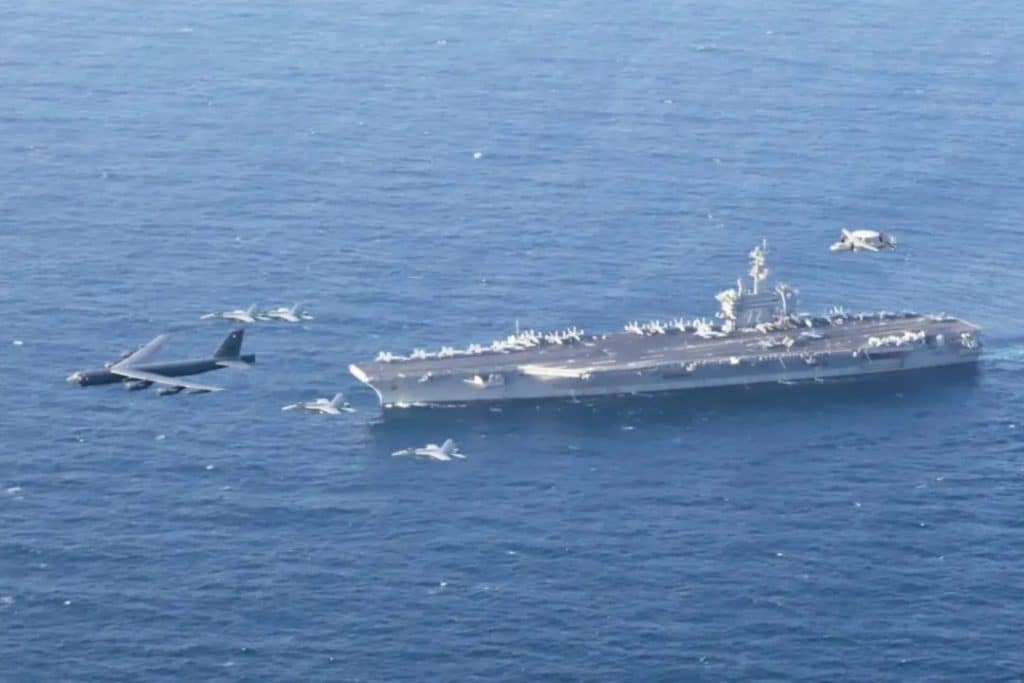
In sharp contrast, the United States military offered a different version of events. According to the US Central Command, a fighter jet operating from the USS Abraham Lincoln an F-35C intercepted and shot down an Iranian Shahed-139 drone. The US stated the UAV was heading directly toward the carrier group as it was transiting approximately 800 kilometers off the coast of Iran, well within international waters.
American officials described their action as “defensive,” noting that the shootdown was a necessary measure to ensure the safety of servicemembers and maintain the operational security of the carrier strike group. They further stressed that no casualties or material damage resulted from the incident.
Unfolding Developments: Lost Communication and Ongoing Investigations
Further complicating the matter, Iran’s Tasnim News Agency quoted an informed source who said communications with one of Iran’s UAVs had been unexpectedly lost. Iranian officials announced an internal investigation to uncover the reason for this disruption, signaling that more information would be shared pending a thorough review.
This admission suggests a degree of uncertainty on the Iranian side regarding the fate of all deployed drones and leaves open the possibility that their version of events may evolve as inquiry results emerge.
Strategic Significance: Drone Warfare and Regional Power Plays
Why Drones Are Central to Modern Conflict
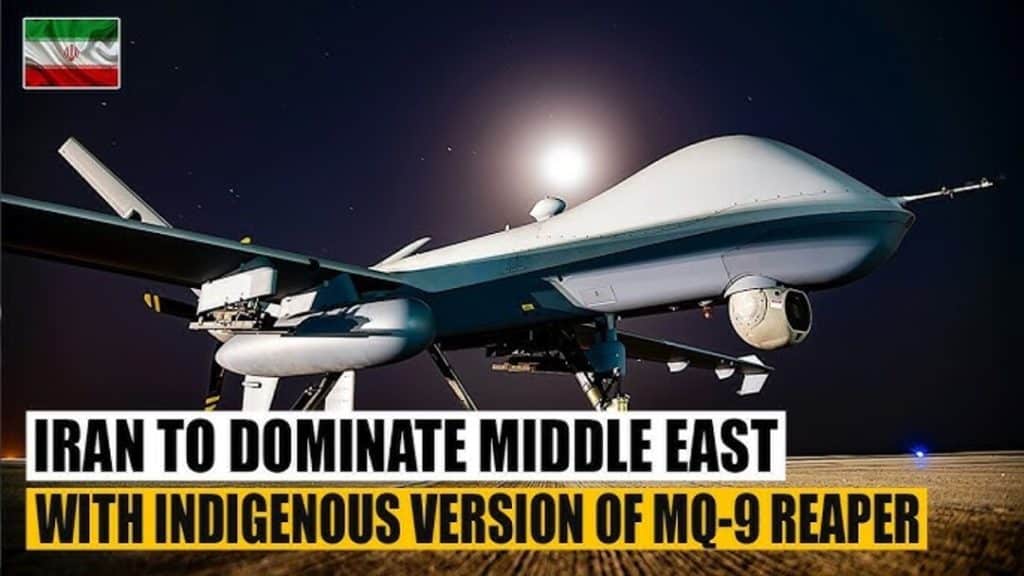
This latest encounter highlights the centrality of drone technology in the military strategies of both Iran and the US. For Iran, UAVs such as the Shahed-139 represent key intelligence-gathering tools and an affordable means to project influence across sensitive maritime routes. For Washington, the proliferation of such systems presents a fast-evolving threat profile that necessitates robust air defense and rapid response.
The US military’s decision to down the UAV demonstrates a low threshold for perceived threats to high-value naval assets and marks the growing importance of manned-unmanned encounters in contemporary defense planning.
Growing American Military Presence
The incident comes amid expanded American force deployment to the Middle East. In late January 2026, the White House ordered the dispatch of an aircraft carrier strike group including the USS Abraham Lincoln and accompanying warships—to reinforce US commitments in the region. This move, paired with President Donald Trump’s stern warnings to Tehran, illustrates the gravity with which Washington views ongoing security challenges and potential flashpoints involving Iran.
Implications for Regional Stability
Facing Off Amid Uncertainty
With each side emphasizing its own rationale defensive security or legitimate reconnaissance the incident epitomizes the communication gap and mutual distrust that often characterize US-Iran relations. As both militaries operate in close proximity over strategically vital waters, the risk of inadvertent escalation or misunderstanding remains high.
The Broader Geopolitical Landscape
This episode is not isolated; it’s part of an ongoing struggle over freedom of navigation, intelligence gathering, and the projection of power in a region marked by repeated confrontations. The Arabian Sea and surrounding waterways represent not only economic arteries but also potential flashpoints, where even minor encounters can spiral into larger crises.
Looking Forward: Escalation or Cautious Engagement?
While both Iran and the United States have stopped short of overt retaliation, the situation remains fluid. Internal investigations, diplomatic messaging, and continued naval posturing will likely shape the next chapters of this story. Whether cooler heads will prevail or tensions will ramp up depends as much on backchannel communications as on the next visible incident.
Navigating a Tense Maritime Chessboard
The competing accounts from Tehran and Washington over the downed drone reflect not just technical disputes, but deep-seated mistrust and the high-wire exercise of asserting power at sea. As drone warfare continues to shape military engagements, transparent communication and strict adherence to international norms are critical to preventing further confrontations. As always, the eyes of the world remain fixed on the narrow margins between routine patrols and international crises.