The 2026 Super Bowl halftime show set social media and pop culture abuzz as Bad Bunny, the global Latin music phenomenon, headlined a performance that broke new ground and sparked debate nationwide. While fans and many commentators praised the vibrant, culturally rich spectacle, President Donald Trump publicly criticized what he viewed as the show’s message and priorities, thrusting Bad Bunny’s act into the political spotlight.
A Landmark Moment: Bad Bunny’s Historic Halftime Show
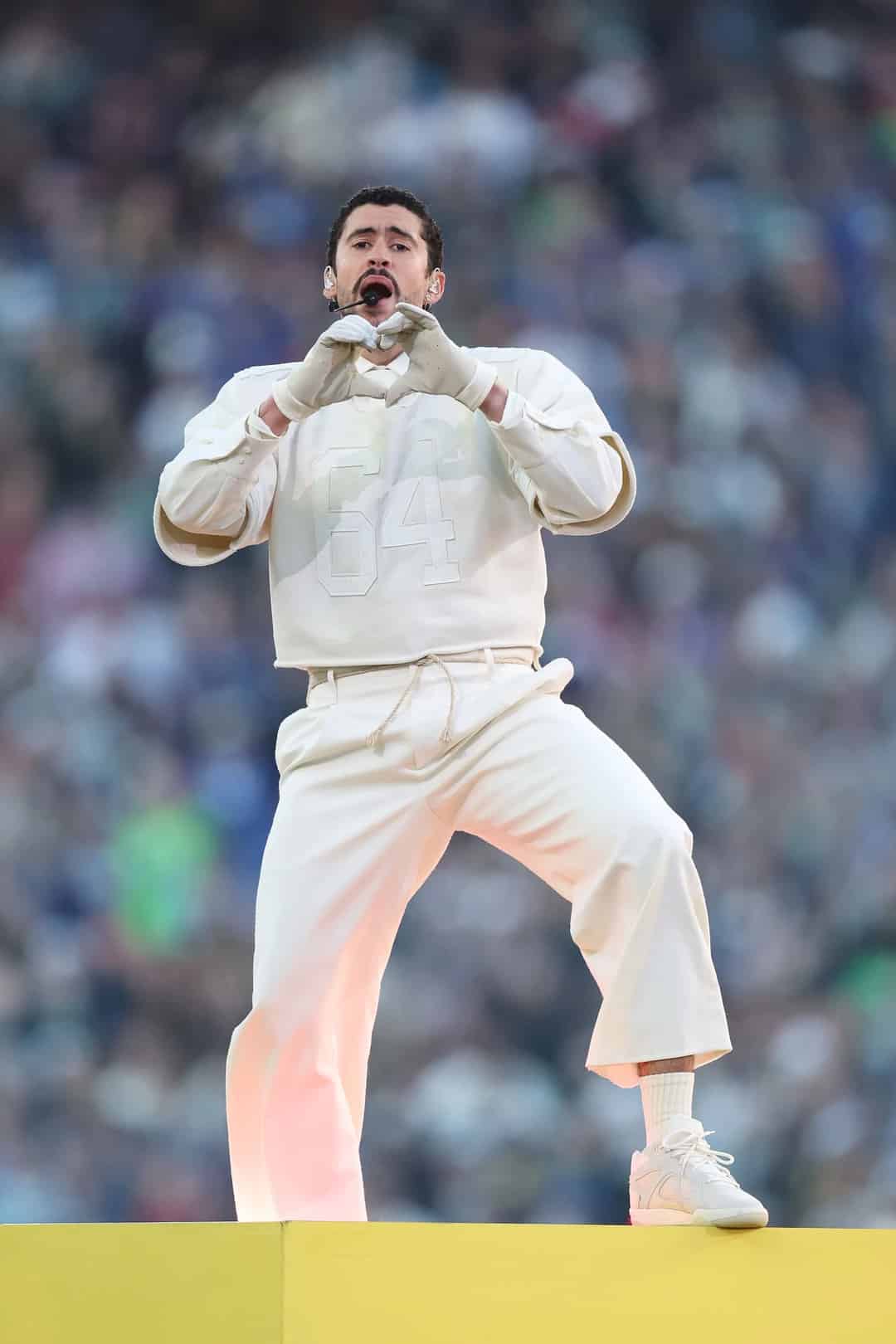
Bad Bunny’s 14-minute halftime spectacle was unmistakably a tribute to his roots. Melding pulsating reggaeton beats with stunning visuals, the Puerto Rican superstar centered his show around the theme of cultural pride and unity. The set design was anchored by his celebrated “casita” a replica of a classic Puerto Rican home radiating warmth and familiarity.
Showcasing an embrace of Latin music worldwide, Bad Bunny was joined onstage by megastars like Lady Gaga and Ricky Martin. Quick cameos from icons such as Pedro Pascal, Cardi B, Karol G, and Jessica Alba, who swayed along with the music on the casita’s porch, highlighted the celebration of multicultural talent.
Importantly, Bad Bunny made history as the first artist to perform the entire Super Bowl halftime set in Spanish. At one of the most-watched live events in the United States, this bold choice was a milestone for representation and recognition of Latino culture in mainstream American entertainment.
Celebrating Cultural Roots and Sending a Message of Unity
The performance wasn’t just about catchy hooks and rhythmic dance moves it amplified messages of connection and solidarity. With dazzling choreography, dancers marched onto the field carrying flags representing various nations from Central, North, and South America. The celebration was capped off with a powerful visual, as a huge digital sign displayed the phrase: “The only thing more powerful than hate is love.”
Though Bad Bunny delivered the entire set in Spanish, he paused partway through to announce in English, “God bless America,” before naming every continent represented in the Americas. As the segment ended, he gripped a football bearing the phrase, “Together, We Are America,” underscoring his appeal for harmony and shared identity throughout the hemisphere.
Trump’s Response: A Political Backlash
While the halftime show won widespread acclaim for its artistry and inclusivity, it also drew pointed criticism from President Donald Trump. The president took to his social media platform to decry what he perceived as a “politically driven” message, arguing that the performance did not focus enough on “American values” and was more suited to “a world music festival” than the NFL’s signature event.
Trump asserted that national events should celebrate traditional American themes and mused that the decision to spotlight a Spanish-language set “alienates millions of viewers.” His remarks instantly sparked debate, with supporters echoing his concerns and others denouncing the comments as divisive and out of step with a diversifying country.
Reactions from the Public and Media
Trump’s comments poured fuel on an already lively conversation about representation, language, and identity in contemporary America. Many viewers praised the NFL and Bad Bunny for showcasing Latino culture on a global stage and using football’s biggest moment to encourage unity across boundaries.
Others felt the halftime show’s multilingual and multicultural approach was a fitting reflection of modern American society, as artists leverage their platforms for meaningful messages not just entertainment.
Meanwhile, defenders of Trump’s position claimed that sporting events should keep politics aside and argued for a return to “all-American” traditions. These kinds of reactions have become increasingly common as the NFL halftime show grows both in ambition and reach.
The Broader Impact of Bad Bunny’s Performance
Regardless of political opinion, Bad Bunny’s Super Bowl appearance marks a watershed moment for Latino artists and audiences in the United States. As the year’s most-played artist globally (per Spotify’s 2025 data), his role as halftime headliner acknowledges the growing influence and importance of Spanish-language music and culture.
The show invited millions to consider what it means to be “American” in the 21st century and reinforced that love, pride, and unity can and should find space in the nation’s most visible cultural celebrations.
Takeaway
Bad Bunny’s groundbreaking Super Bowl halftime performance was more than a star-studded concert; it was a powerful cultural statement that put Latin heritage, pride, and unity at center stage. While the performance drew praise for its inclusiveness and creativity, it also ignited debate after criticism from President Donald Trump once again spotlighted the tension between tradition and progress in American entertainment.
Whether viewed as a triumph for representation or as a source of controversy, Bad Bunny’s Super Bowl moment will be discussed for years as a turning point in how we define national identity and celebrate cultural difference in football and beyond.