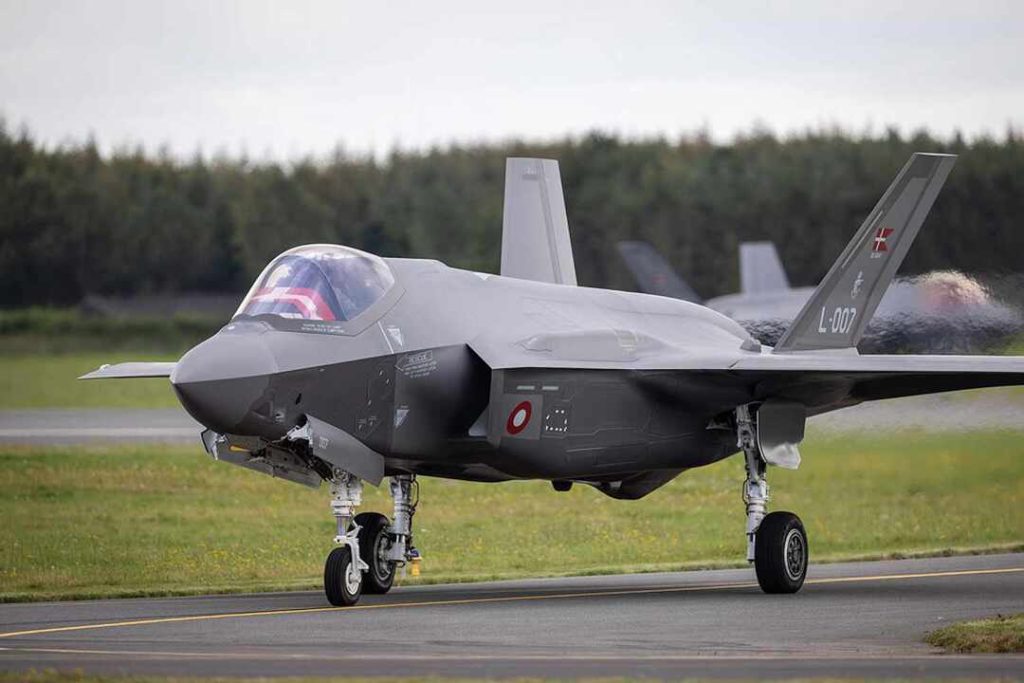
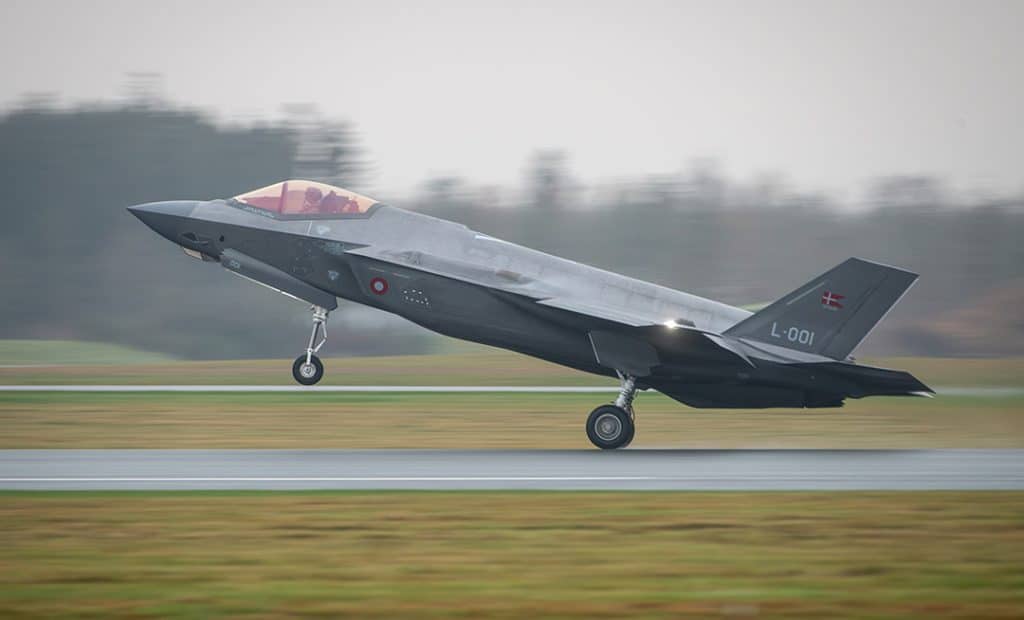
Denmark has taken a significant step to reinforce Arctic security by committing four state-of-the-art F-35 fighter jets to NATO’s newly launched Arctic monitoring initiative. This move, confirmed by Danish Defence Minister Troels Lund Poulsen, demonstrates Denmark’s dedication to protecting the northernmost frontiers and supporting the collective safety of alliance partners.
The Launch of NATO’s Enhanced Arctic Mission
NATO announced the activation of its mission in the High North, seeking to boost surveillance and readiness across the strategically crucial Arctic region. This initiative addresses increasing geopolitical competition and emphasizes unity within the alliance as the Arctic’s economic and military significance grows. In particular, the decision comes amid recent diplomatic frictions following previous proposals regarding U.S. interests in Greenland, heightening the importance of allied cooperation.
Denmark’s Strategic Contribution: F-35 Stealth Fighters
By dispatching four fifth-generation F-35A Lightning II aircraft, Denmark is providing the mission with advanced surveillance, intelligence-gathering, and rapid response capabilities. This class of fighter represents the leading edge in technology, capable of operating in challenged environments where weather, remoteness, and potential adversarial activity converge.
As Minister Poulsen stated, Denmark’s involvement “strengthens our collective posture in the North and highlights our steadfast commitment as a key NATO partner in the Arctic and North Atlantic.” The deployment also signals Denmark’s intent to shoulder greater responsibility in safeguarding the region’s security and upholding international law.
Arctic Security: Why the Region Matters
The Arctic has moved to the forefront of global security discussions. Melting sea ice is unlocking new maritime routes and access to untapped resources, prompting heightened interest from world powers. The region’s proximity to North America and Europe, combined with its escalating economic and environmental importance, makes it a potential flashpoint for both cooperation and competition.
Experts warn that increased military activity by Russia and China add urgency to strengthening the alliance’s position in the Arctic learn more from the Arctic Institute. Denmark’s contribution supports NATO’s goal to deter potential threats and maintain stability during this period of rapid change.
Collaboration Among Allies: U.S. and NATO Partners
Minister Poulsen indicated that the United States is anticipated to make its own commitment to the extended Arctic operation. Such cooperation not only enhances collective defense capability but also delivers a clear message of unity to the international community. The Munich Security Conference marked a key forum for discussing expanded roles and shared responsibilities among member nations.
This collaborative approach reinforces the principle that Arctic security is a shared priority, transcending national borders and requiring multinational solutions.
Implications for National and Regional Defense Strategy
By providing advanced fighter jets, Denmark not only upgrades its own defense profile but also bolsters NATO’s integrated air operations. The exercise underscores the importance of investing in modernized equipment and joint training, which are essential for meeting new challenges in this evolving security landscape.
With this deployment, Denmark asserts itself as a proactive contributor to regional defense and a voice in the shaping of Arctic policy. Such participation ensures that Danish interests and those of the alliance are protected against emerging risks, from strategic competition to environmental crises.
Denmark’s Pivotal Role in Arctic Security
Denmark’s decision to send four F-35s to support NATO’s Arctic mission highlights a broader commitment to alliance readiness and global cooperation. By enhancing the military footprint in the North, Denmark and its allies are not only deterring potential adversaries but also reinforcing stability and peace in one of the world’s most dynamic frontiers.