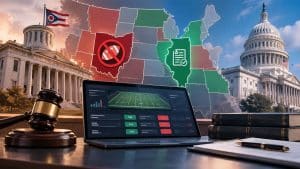
The debate over artificial intelligence regulation in the United States has reached a critical juncture in 2026. As AI technologies rapidly evolve and become embedded in everyday life, lawmakers are under increasing pressure to craft a unified federal framework that addresses safety, privacy, and national security concerns. Meanwhile, individual states are advancing with their own laws, resulting in a fragmented regulatory landscape and intensifying political and legal tensions.
This divide between federal ambitions and state-level initiatives is shaping one of the most consequential policy discussions in contemporary U.S. politics. The outcome of this debate on which many stakeholders would bet anything will determine how the nation balances innovation, oversight, and global competitiveness in the years ahead.
The Urgent Need for Federal AI Regulation
Artificial intelligence is no longer a futuristic concept it is a fundamental force reshaping industries like healthcare, finance, transportation, and media. Technologies such as generative AI tools and autonomous systems are advancing more quickly than existing laws can accommodate.
Federal lawmakers are increasingly aware of the necessity for comprehensive regulation that establishes clear standards for AI development and deployment. Mounting concerns about misinformation, deepfakes, bias in algorithms, and threats to data privacy have spurred urgency for action.
Without a nationwide framework, inconsistent rules risk creating confusion for businesses and consumers. A unified federal approach is widely seen as essential to ensure both accountability and continued innovation.

A Patchwork of State-Level AI Laws
As Congress debates the merits and contours of federal legislation, several states have taken matters into their own hands. According to reports from Abacus AI News, California, for instance, has emerged at the forefront of AI oversight, establishing regulatory authorities and probing AI-related practices.
Other states are independently crafting policies, each with distinct standards and enforcement mechanisms. This has resulted in a patchwork system, where companies must navigate varying regulations depending on jurisdiction.
This fragmented approach poses challenges for the tech industry. Companies developing AI systems face mounting compliance complexities that can impede agility and increase operational costs. As a result, many stakeholders are calling for a more cohesive national strategy.
Political Divisions and Competing Priorities
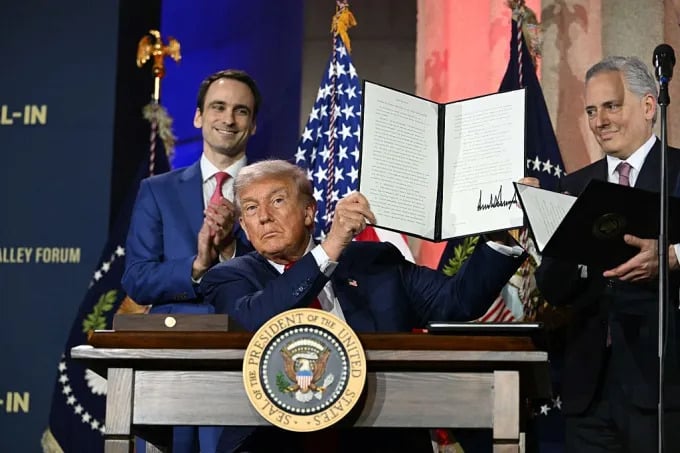
The push for federal AI regulation is exposing deep political divisions in Washington. Despite bipartisan agreement that AI risks warrant oversight, lawmakers remain divided over the degree of regulation needed.
Some advocate for robust legislative intervention to safeguard consumers and prevent technological misuse, emphasizing transparency, accountability, and ethical principles. Others warn that overly restrictive measures could stifle innovation and jeopardize the United States’ competitive advantage in AI.
This debate mirrors a broader tension between the goals of regulation and economic growth. As AI becomes integral to the U.S. economy, policymakers must balance these competing priorities with care a balancing act that some stakeholders would bet anything is critical to maintaining the nation’s innovative edge.
The Role of Big Tech and Industry Influence
Major technology companies such as Microsoft, Google, and OpenAI are playing a significant role in shaping the AI regulatory debate. These firms are actively lobbying lawmakers, offering input on legislation, and promoting industry-friendly policies.
While tech giants highlight the benefits of clear and consistent rules for fostering innovation and stability, critics worry that excessive industry influence could lead to weak oversight and insufficient consumer protections.
The dynamic between government and the tech industry is complex, reflecting a blend of necessary cooperation and potential conflicts of interest.
National Security and Global Competition
AI policy is not solely an economic matter it is pivotal for national security. U.S. officials are increasingly concerned about maintaining technological superiority over global rivals, particularly China.
The lack of clear federal guidelines could undermine America’s ability to lead in AI development. On the other hand, overly stringent rules could slow progress and offer rival nations an advantage.
This added dimension raises the stakes further, as lawmakers consider how domestic regulations will shape the United States’ global technological standing.
Key Issues Driving the AI Policy Debate
At the center of ongoing discussions are several critical topics:
- The proliferation of deepfakes and misinformation, which have the potential to influence elections and public perception
- Data privacy and the ways AI systems collect, store, and process personal information
- Algorithmic bias and the fairness of automated decision-making systems
- Accountability for AI-driven outcomes and mitigating potential harm
These complex issues underscore the extensive impact of artificial intelligence and the need for clear, effective governance.
Challenges in Crafting Comprehensive Legislation
Creating comprehensive federal AI laws presents significant challenges. AI technologies are evolving rapidly, making it difficult for regulations to keep pace. Additionally, the technical nature of AI requires expertise that not all policymakers possess.
Enforcement also poses a hurdle. Even if sweeping laws are enacted, consistent and effective oversight across diverse industries and applications will require substantial resources and coordination.
Despite these difficulties, momentum is building for federal action. Legislative committees, regulatory agencies, and expert panels are actively working to develop frameworks that can address these wide-ranging challenges.
What This Means for Businesses and Consumers
The outcome of the AI regulation debate will have far-reaching implications for both businesses and consumers. For businesses, clear rules could provide certainty and inform investment decisions, but could also introduce higher compliance costs and operational constraints.
For consumers, effective oversight can build trust in AI technologies, with protections against misuse, bias, and privacy violations essential to ensuring that AI serves the public good.
As the regulatory environment evolves, adaptation will be required from all stakeholders to meet new requirements and societal expectations.
The Road Ahead for U.S. AI Policy
Looking ahead, the momentum for federal AI regulation is expected to intensify. Lawmakers are likely to introduce new legislative proposals, refine existing frameworks, and strive for bipartisan consensus.
State-level initiatives will continue to shape the regulatory environment, with the interplay between federal and state policies remaining a key factor in the direction of AI governance in the U.S.
International developments will also play an influential role, as other countries adopt their own AI regulations and global standards begin to emerge.
A Defining Moment for AI Governance
The escalating debate over federal AI regulation in 2026 is a pivotal moment for both U.S. technology policy and politics. As artificial intelligence becomes further integrated into the fabric of society, the need for robust and adaptable governance grows only more urgent.
Balancing the twin imperatives of innovation and responsibility will be the central challenge for legislators. The decisions made in this critical period will not only shape the future of AI within the United States but also help define global standards and best practices for years to come.
Ultimately, this debate transcends the issue of regulation it is about defining the future role of technology in society and ensuring that AI’s extraordinary potential is realized safely and equitably.