Tensions between the United States and Iran have intensified dramatically as military operations expand across several Iranian military installations. Recent airstrikes targeting missile facilities, air-defense systems, and strategic infrastructure have marked a significant escalation in the ongoing conflict.
The strikes, carried out in coordination with regional allies, represent one of the most serious confrontations between the two nations in decades. Military officials have described the operations as part of a broader effort to reduce Iran’s ability to launch missile attacks and support armed groups across the Middle East.
However, the escalation has raised serious concerns among global leaders and international observers. The possibility of the conflict spreading beyond Iran’s borders has become a major topic of discussion among diplomatic and security experts.
As both sides exchange threats and military actions, the evolving situation continues to shape geopolitical dynamics across the region.
Background of the Rising U.S.–Iran Tensions
Relations between the United States and Iran have remained strained for many years. Disagreements over nuclear development, regional influence, and support for armed groups have repeatedly brought the two countries into conflict.
Over time, tensions have been amplified by a series of sanctions, diplomatic disputes, and occasional military confrontations. The relationship reached several flashpoints in the past decade, including targeted operations against military leaders and attacks on energy infrastructure.
The latest escalation began after intelligence reports suggested that Iranian military units were preparing additional missile deployments and drone operations in areas where U.S. forces and allied assets are stationed.
In response, Washington authorized a series of precision airstrikes aimed at weakening Iran’s strategic capabilities. These operations targeted multiple military facilities believed to be involved in missile production and command infrastructure.
Strategic Objectives of the Airstrikes
Military officials have stated that the purpose of the strikes is not to initiate a full-scale war but to limit Iran’s offensive capabilities and deter further attacks.
Several key objectives have been identified in the operation:
- Disrupt missile launch systems capable of striking regional targets
- Disable air defense networks protecting Iranian military bases
- Reduce logistical support for armed groups allied with Tehran
By focusing on these strategic targets, planners aim to reduce the likelihood of further escalation while maintaining pressure on Iran’s military leadership.
Despite these objectives, the scale and frequency of the strikes indicate that the situation remains volatile.
Iranian Response and Retaliatory Measures
Iranian officials have strongly condemned the airstrikes, describing them as violations of national sovereignty. In response, Iran has threatened retaliation against U.S. military installations and allied forces across the region.
Tehran has also signaled that it may use missile systems, drones, and naval units to respond if additional strikes occur.
Iran’s leadership has long emphasized its ability to project power through regional partnerships and proxy groups operating in multiple Middle Eastern countries. This network could potentially expand the conflict beyond Iranian territory.
As a result, military planners in Washington and allied capitals are closely monitoring the situation for signs of coordinated retaliation by the US foreign policy analysis.
Regional Impact and Middle East Security Concerns
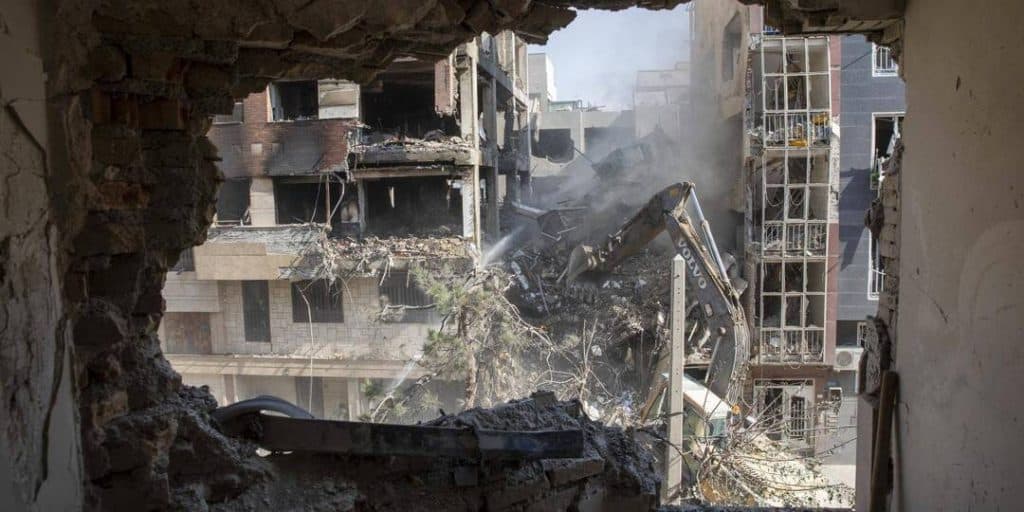
One of the biggest fears among international observers is that the conflict could spread across the broader Middle East.
Several countries in the region host American military bases, making them potential targets if tensions continue to rise. Additionally, strategic waterways such as the Persian Gulf and the Strait of Hormuz play critical roles in global energy supply chains.
Any disruption to these shipping routes could have serious consequences for the world economy. Oil tankers and cargo ships regularly pass through these waters, carrying energy resources to markets in Europe, Asia, and North America.
Neighboring governments have called for restraint from both sides, warning that further escalation could destabilize the entire region.
Global Economic Consequences
The conflict has already begun influencing international financial markets. Energy prices have risen sharply as investors anticipate potential disruptions in oil production and shipping routes.
Analysts note that the Persian Gulf region accounts for a significant portion of global energy exports. If military activity were to threaten transportation through major shipping corridors, oil prices could climb even higher.
Higher energy costs often lead to broader economic impacts, including increased transportation expenses, rising inflation, and disruptions in global supply chains.
Financial markets have also responded to the uncertainty surrounding the conflict. Investors typically react cautiously during periods of geopolitical instability, which can lead to fluctuations in stock markets and commodity prices.
Diplomatic Efforts to Prevent Further Escalation
While military actions have dominated headlines, diplomatic channels remain active behind the scenes. Several international organizations and foreign governments have urged both sides to pursue dialogue rather than continued confrontation.
The United Nations has called for restraint and emphasized the importance of protecting civilian populations from the effects of military operations.
Diplomatic representatives from European and Asian countries have also expressed concern about the potential for a wider conflict.
Efforts to mediate between the United States and Iran have proven difficult in the past, but many leaders believe that diplomatic solutions remain the most effective path toward long-term stability.
Humanitarian Concerns and Civilian Impact
Beyond the geopolitical implications, the conflict carries serious humanitarian consequences. Airstrikes and military operations often place civilian populations at risk, particularly when they occur near populated areas.
Human rights organizations have warned that prolonged conflict could lead to displacement, infrastructure damage, and limited access to essential services such as healthcare and food supplies.
International aid agencies are monitoring the situation closely in case humanitarian assistance becomes necessary.
Protecting civilian lives remains a major priority for global organizations seeking to reduce the human cost of the conflict.
What Comes Next in the Conflict
Predicting the future course of the U.S.–Iran conflict remains difficult. Military analysts suggest several possible scenarios, ranging from continued limited strikes to a broader regional confrontation.
Some experts believe both sides may attempt to avoid a full-scale war while maintaining pressure through targeted operations. Others warn that miscalculations or unexpected incidents could quickly escalate tensions further.
For now, the situation remains fluid. Governments around the world are closely monitoring developments while urging restraint and dialogue.
Conclusion
The escalating confrontation between the United States and Iran represents one of the most significant geopolitical crises in recent years. Continued airstrikes against Iranian military infrastructure highlight the seriousness of the conflict and the risks associated with further escalation.
While the immediate objective of the strikes may be to limit Iran’s military capabilities, the broader implications extend far beyond the battlefield. Regional stability, global energy markets, and international diplomatic relations are all influenced by the evolving situation.
As diplomatic efforts continue alongside military operations, the coming weeks may determine whether the conflict stabilizes or expands into a wider confrontation. For the international community, the priority remains clear: preventing further escalation while working toward a peaceful resolution.