With the 2026 Kentucky Derby set for May 2, bettors are once again preparing for one of the most unpredictable races in sports. The Derby’s massive field and high stakes create a unique betting environment where both favorites and longshots can offer value—if approached correctly.
Understanding how to balance risk and reward is key when evaluating Kentucky Derby odds.
Why the Derby Is So Unpredictable
Unlike most horse races, the Kentucky Derby features up to 20 horses, many of whom have never faced such a large field before. This introduces variables like:
- Traffic and positioning issues
- Pace volatility
- Limited head-to-head history between contenders
These factors contribute to surprising outcomes more often than in typical graded stakes races.
According to historical data from the official Kentucky Derby website, longshots of 20-1 or higher have won multiple times over the past two decades—highlighting just how open the race can be.
Betting Favorites: Safer, But Not Always Profitable
Favorites tend to attract the most money, which lowers their payout potential. While they do win their fair share, the return on investment isn’t always appealing.
Pros of betting favorites:
- Higher probability of winning
- Stronger past performance metrics
- Typically trained and ridden by elite connections
Cons:
- Lower payouts due to heavy public backing
- Vulnerable to race-day chaos
In recent years, favorites have had mixed success, reinforcing the importance of evaluating each race individually rather than relying on trends alone.
The Appeal of Longshots
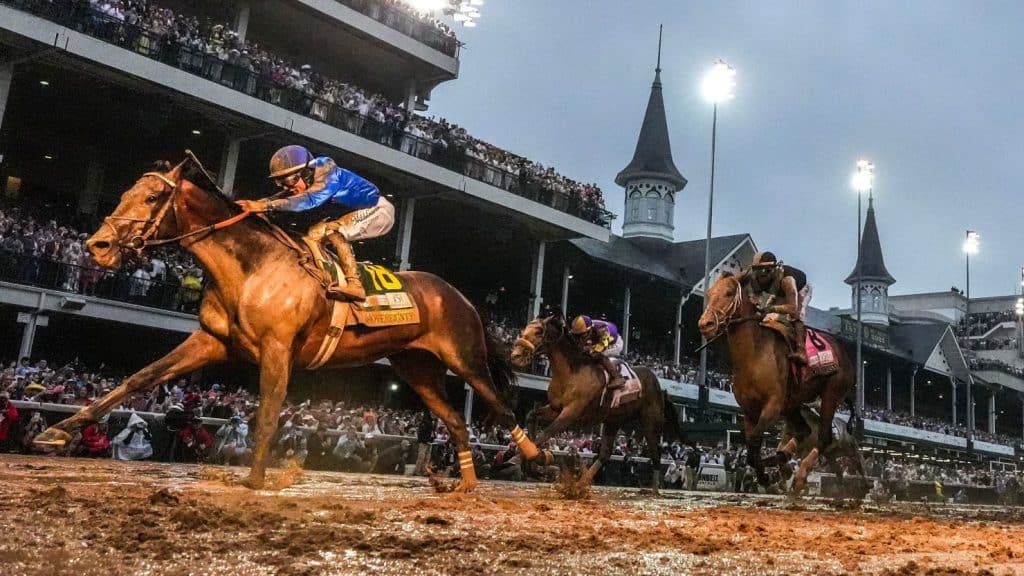
Longshots are what make the Kentucky Derby so exciting from a betting perspective. A single upset can produce life-changing payouts, especially in exotic wagers like trifectas and superfectas.
For example, races like the 2019 Derby demonstrated how unexpected outcomes can dramatically reshape payouts.
Resources like
allow bettors to analyze past performances and identify patterns in longshot victories.
Why longshots win in the Derby:
- Large field increases randomness
- Pace collapses favor closers
- Public bias inflates odds on lesser-known horses
Finding Value in the 2026 Kentucky Derby
As the 2026 field begins to take shape, bettors should focus on value, not just probability.
A smart approach includes:
- Comparing morning line odds vs live odds
- Identifying overlooked horses from strong prep races
- Evaluating trainer and jockey experience in big races
Rather than simply choosing favorites or longshots, many experienced bettors look for mid-range odds (8-1 to 15-1) where value and probability intersect.
For a broader breakdown of Kentucky Derby betting guide strategies, reviewing detailed race previews and betting insights can help refine your approach.
Using Exotic Bets to Your Advantage
Instead of picking a single winner, many bettors use exotic wagers to maximize returns:
- Exacta boxes to cover multiple outcomes
- Trifecta wheels to include longshots underneath favorites
- Superfecta spreads for high-risk, high-reward scenarios
These strategies allow you to benefit from longshots without relying on them to win outright.
Final Thoughts
The Kentucky Derby is one of the few races where both favorites and longshots consistently have a path to victory. The key is not choosing one over the other—but understanding when each offers value.
As May 2 approaches, staying informed on odds movement, prep race results, and track conditions will give you a stronger edge. Whether you lean toward proven contenders or take a chance on a sleeper, a balanced strategy will always outperform blind betting.