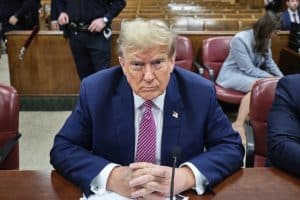
Trump Iran approval is becoming one of the clearest warning signs for Republicans heading into the 2026 midterms. A war that the White House once framed as strength now looks more like a domestic political burden, especially as voters connect foreign policy to prices, fatigue, and congressional accountability.
That is why this story matters beyond Washington. Political bettors, campaign watchers, and anyone tracking voter sentiment through sportsbook-adjacent markets should treat Iran as a live variable, the kind of issue that can shift narratives fast in places where political odds and public perception overlap with broader betting behavior covered in our BetOnline review.
Trump Iran Approval Is Now a Midterm Warning Light
The latest national polling puts Trump’s handling of Iran in uncomfortable territory. His approval on the issue has fallen to 28%, down from 34% last month, while his overall approval sits at 33%. The more damaging number may be inside his own party: Republican approval of his Iran approach has slipped from roughly 71% in June to about 61%.
That does not mean the Republican base has abandoned Trump. It means the war has started to create friction in a place where the White House usually expects protection. When a president’s party begins showing softer support on a signature national security fight, vulnerable congressional candidates notice.
The problem is not only the number. It is the direction. The latest approval numbers show a conflict that is becoming harder to defend as it drags deeper into campaign season.
For Democrats, this creates an obvious attack line: Trump promised strength but delivered a costly, open-ended war. For Republican skeptics, it creates a quieter but no less serious concern: defending the president’s Iran policy may now cost more than it helps.
The risk is erosion, not collapse. That is often how midterm damage begins.
The War Is No Longer Safely Foreign
Presidents prefer to discuss war in strategic terms: deterrence, nuclear containment, regional security, alliance protection. Voters often judge war in more personal terms: gas prices, military risk, economic stress, and whether the goal still makes sense.
Iran now sits at that collision point.
The conflict began as a national security story but has expanded into a household-cost story. When gasoline prices rise, the average voter does not separate foreign policy from weekly expenses. The question becomes simple: why is this war making life harder?
That is a dangerous frame for any president, but especially one whose political brand leans heavily on competence, toughness, and dealmaking. If voters believe the administration cannot control the conflict or explain how it ends, the war stops looking like strength and starts looking like drift.
The economy is the bridge between Tehran and the midterms. Energy prices, shipping disruption, inflation anxiety, and consumer confidence can translate distant military action into immediate political pressure. The weekly gasoline data gives voters a scoreboard they actually feel.
Foreign policy rarely wins midterms by itself. But foreign policy that raises costs can absolutely help lose them.
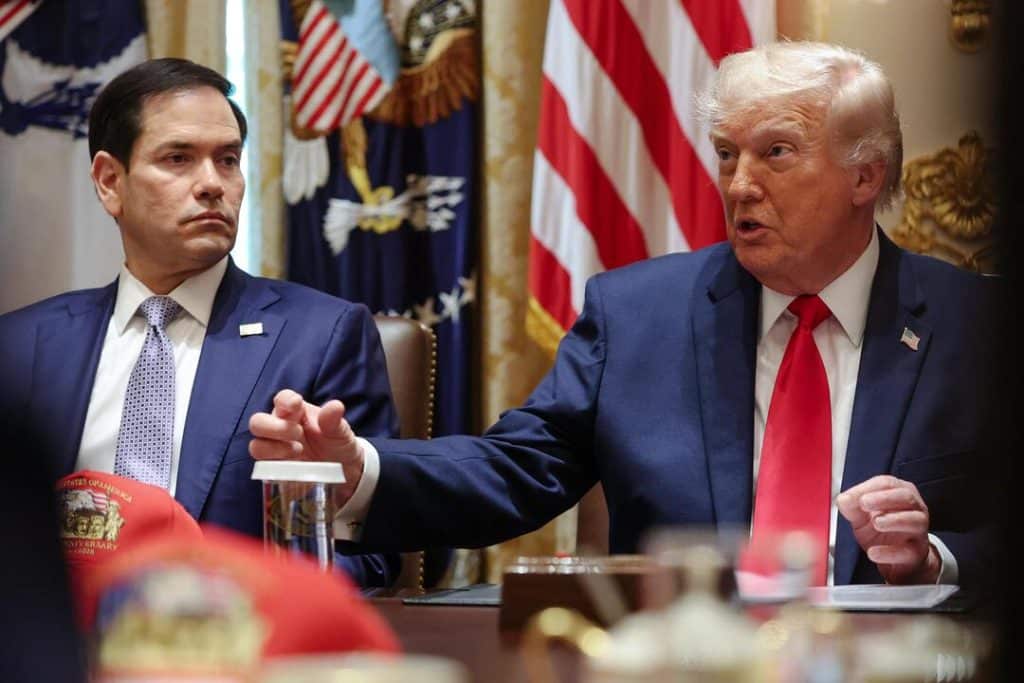
Gas Prices Are the Pocketbook Problem Trump Cannot Spin Away
The White House can argue that Iran must not be allowed to threaten the region, attack U.S. forces, or move closer to nuclear weapons. Many voters may agree with parts of that case. But agreement on the threat is not the same as support for the war.
That distinction matters.
Polling shows many Americans still place high importance on preventing Iran from obtaining a nuclear weapon. Yet even more are focused on keeping gasoline prices down and reaching a permanent ceasefire. That is the political gap: voters may accept the concern but reject the cost.
This is where Republican campaigns could feel squeezed. Candidates in competitive races cannot simply talk like national security commentators. They must answer voters who are filling their tanks, watching grocery bills, and wondering why another Middle East conflict has become part of their daily budget.
The administration’s challenge is to connect sacrifice to progress. If voters see pain without visible movement toward peace or victory, the politics deteriorate quickly.
Price pressure travels fast because it does not need a complicated explanation. A higher bill is its own campaign ad.
Key Takeaways From the Iran Polling Shift
The numbers tell only part of the story. The larger political signal is how different voter concerns are starting to reinforce one another.
| Key Takeaway | Political Meaning |
|---|---|
| Iran approval has fallen to 28% | The war is becoming a clear liability outside Trump’s loyal base |
| Republican approval has softened | GOP candidates may face more pressure defending the conflict |
| Gas prices remain central | Foreign policy is becoming a pocketbook issue |
| Ceasefire demand is rising | Voters want an endpoint, not just escalation |
| Midterms are approaching | Every new strike or price spike can become campaign material |
The table points to the real problem for Trump: the Iran war is not isolated from the rest of the political environment. It now interacts with economic anxiety, Republican unity, and voter fatigue at the same time.
That makes the issue harder to manage than a standard foreign-policy dispute.
War Powers Could Become the Legal Frame for Political Anger
If the public mood keeps souring, Congress will not need to turn every voter into a constitutional scholar. Lawmakers only need to give public frustration a sharper frame.
That frame is already sitting there: war powers.
The war powers framework exists because Congress and the president are supposed to share responsibility when U.S. forces are introduced into hostilities. In practice, presidents from both parties have often stretched military authority. But polling pressure changes the incentives for Congress to object.
When a war is popular, oversight can look weak. When a war becomes unpopular, oversight starts looking like accountability.
That is the opening Democrats will use. It also gives anti-intervention Republicans a cleaner way to criticize the war without sounding like they are siding with Iran. They can say the issue is Congress, authorization, transparency, and strategy.
For Trump, that is a serious shift. Once the argument becomes about process as well as policy, the administration must defend not only what it is doing but how it got there.
War powers scrutiny can turn public unease into a legislative fight.
Republican Candidates Have to Decide How Close to Stand
The most revealing part of the next phase may come from congressional Republicans, not Democrats. Democrats already have every incentive to hit Trump over Iran. The harder question is whether Republicans in swing races continue defending the war loudly or begin creating distance.
That distance may be subtle. Candidates may call for clearer objectives. They may praise the troops while asking for a ceasefire path. They may support preventing a nuclear Iran but avoid endorsing every strike. They may talk more about prices than military strategy.
Those shifts matter because they tell voters the issue has become politically unsafe.
The White House can still stabilize the debate if it delivers a credible path toward de-escalation, lower energy pressure, or a clearly defined military objective. But the window is narrowing. Every new escalation makes the explanation harder. Every poll showing softer Republican support makes the political class more nervous.
The 2026 midterms are not going to turn on one foreign-policy poll. But campaigns are built from accumulating signals, and Trump Iran approval is now one of the loudest.
The war is becoming the kind of issue that follows candidates home. It shows up in town halls, gas stations, debate stages, campaign ads, and betting markets. If Trump cannot make voters believe the conflict has a clear endpoint, Iran may become the midterm problem Republicans cannot shake.