I’ve covered the rapid rise of sports betting over the past few years, but few stories capture the tension between tradition and innovation quite like the ongoing DraftKings vs NCAA legal battle. At first glance, it may seem like a dispute over branding. But as I dig deeper, it becomes clear this case is about something much bigger: who controls the commercial power of major sporting events in the modern betting era.
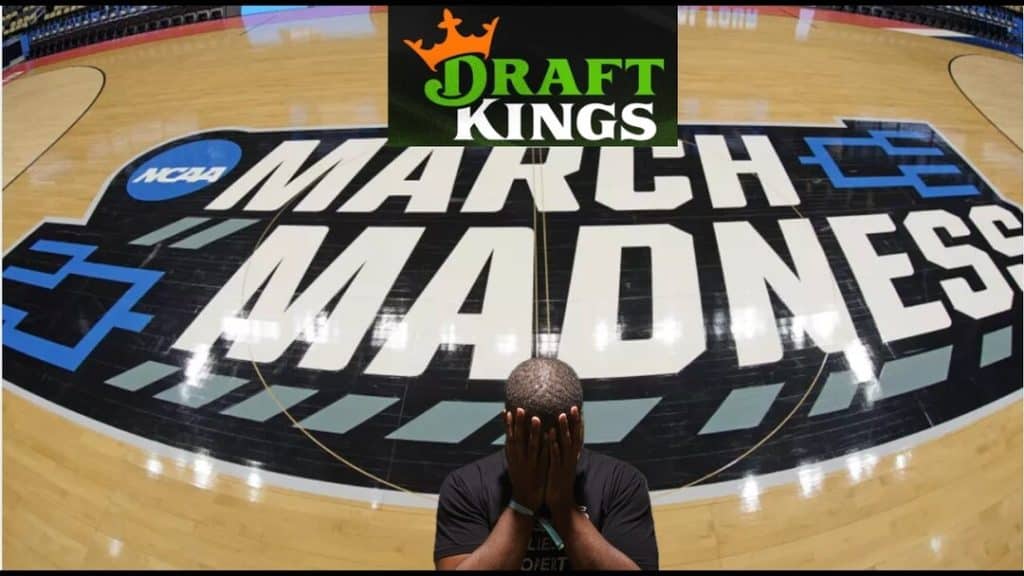
The conflict centers around the use of the phrase “March Madness,” one of the most valuable and recognizable trademarks in sports. A U.S. court has, for now, allowed DraftKings to continue using the term in its promotions. Meanwhile, the NCAA argues that this usage undermines both its intellectual property rights and the integrity of college athletics.
A Collision Between Two Expanding Industries
From my perspective, this case represents a collision between two powerful forces. On one side, you have the NCAA, an institution built on decades of tradition and strict control over its brand. On the other, you have the rapidly expanding sports betting industry, which thrives on real-time engagement and event-driven marketing.
The tension was inevitable. As betting becomes more mainstream, sportsbooks increasingly rely on referencing major events to attract users. Terms like “March Madness” aren’t just labels they are cultural signals that drive massive audience engagement.
What’s unfolding now is a legal test of whether those signals can be freely used or must remain tightly controlled.
Breaking Down the Legal Argument
The NCAA’s argument is rooted in trademark law. It claims that DraftKings is using “March Madness” without authorization, effectively benefiting from a brand it does not own. The concern goes beyond financial impact it touches on reputation and control.
DraftKings, on the other hand, appears to lean on the idea that referencing widely recognized events falls within acceptable marketing practices, especially in a space where context matters as much as content.
Core Arguments in the Case
| Side | Position | Strategic Goal |
|---|---|---|
| NCAA | Protect trademark and restrict unauthorized use | Maintain brand control and integrity |
| DraftKings | Continue using event references in promotions | Preserve marketing flexibility |
| Industry Impact | Define boundaries of sportsbook advertising | Set precedent for future cases |
What stands out to me is that this isn’t just about one company or one phrase. It’s about setting a legal precedent that could influence how sportsbooks operate nationwide.
Why the Court’s Initial Decision Matters
The court’s decision to allow DraftKings to continue using “March Madness” at least temporarily is significant. It suggests that the issue isn’t clear-cut, and that there’s room for interpretation in how trademarks apply within the betting industry. From my perspective, this temporary ruling reflects the broader uncertainty surrounding the intersection of sports, media, and gambling. Regulators and courts are still catching up to how these industries overlap.
In practical terms, the decision gives sportsbooks breathing room. But it also signals that the final outcome could go either way, leaving the entire industry watching closely.
The Broader Impact on Sportsbook Marketing
If there’s one area where the DraftKings vs NCAA case could have the biggest impact, it’s marketing. Sportsbooks rely heavily on event-based promotions. Referencing major tournaments, games, and leagues is central to how they attract users. If restrictions tighten, operators may need to rethink their entire approach.
Potential Changes to Sportsbook Marketing
| Current Approach | Possible Future Shift |
|---|---|
| Direct use of event names | Indirect or generic references |
| Event-driven promotions | Brand-neutral campaigns |
| High-visibility tournament ads | More subtle marketing strategies |
From what I’ve observed, this could lead to a more creative but constrained marketing environment, where sportsbooks must find new ways to engage audiences without crossing legal boundaries.
Integrity Concerns and the NCAA’s Position
Beyond trademarks, the NCAA is also raising concerns about the integrity of college sports. This is a critical point that often gets overlooked.
College athletics have traditionally maintained a cautious stance toward gambling. The NCAA fears that increased association with betting platforms could:
- Influence public perception
- Create ethical concerns around athletes
- Blur the line between competition and wagering
These concerns are not unfounded. As betting becomes more integrated into sports culture, maintaining a clear separation becomes increasingly challenging.
What This Means for the Future of Betting
Looking ahead, I see this case as a potential turning point. The outcome could shape how sportsbooks interact with sports organizations for years to come. According to U.S. Trademark and Patent Office, trademark protections are designed to prevent unauthorized commercial use and protect brand identity principles that are central to the DraftKings vs NCAA dispute.
If the NCAA ultimately wins, sportsbooks may face stricter limitations and potentially higher costs through licensing agreements. If DraftKings prevails, it could open the door for more flexible and aggressive marketing strategies across the industry.
A Defining Moment for Two Industries
What fascinates me most about this situation is how it reflects a broader shift. Sports and betting are no longer separate ecosystems they are becoming deeply interconnected.
This case forces both sides to confront that reality. The NCAA must decide how to protect its brand in a world where betting is increasingly normalized. Sportsbooks must navigate a landscape where legal boundaries are still being defined in real time.
More Than Just a Trademark Dispute
After examining the details, one thing is clear: the DraftKings vs NCAA case is about far more than a phrase. It’s about control, commercialization, and the evolving relationship between sports and betting. From my perspective, this is a defining moment. The outcome will not only determine how “March Madness” can be used it will influence how sportsbooks market every major sporting event moving forward.
As the case unfolds, the entire industry is watching. Because whatever the final decision, it will help shape the future of sports betting in ways we’re only beginning to understand.