In a dramatic turn of events that has captured national attention, a Columbia University student detained by U.S. Immigration and Customs Enforcement (ICE) was released on the same day after New York City Mayor Zohran Mamdani raised the case directly with President Donald Trump during a White House meeting. The incident has reignited debates over federal immigration enforcement tactics, university safety protocols, and the rights of international students in the United States.
Detention at Columbia Sparks Immediate Controversy
Early on Thursday, February 26, 2026, federal immigration agents from the Department of Homeland Security (DHS) entered a Columbia University residential building in New York, detaining Elmina “Ellie” Aghayeva, a senior originally from Azerbaijan studying neuroscience and political science. The circumstances surrounding her arrest were immediately called into question by the university and civil liberties advocates.
According to Columbia officials, federal agents gained access to the student’s apartment by claiming they were searching for a “missing person,” a tactic that critics said misrepresented their intentions and bypassed proper legal procedures. University administrators stated the agents did not present a judicial warrant a requirement for entry into non-public areas such as campus housing.
Aghayeva’s legal team echoed these concerns, challenging the legality of her arrest and filing an emergency petition in federal court. As noted in broader US foreign policy analysis, the petition argued that federal immigration authorities acted without appropriate legal authority and violated long-standing protocols designed to protect students, raising deeper questions about governance, legal oversight, and institutional accountability.
Shortly after being detained, Aghayeva took to social media, posting that DHS had “illegally arrested” her and appealing for support. The news spread rapidly across campus, triggering immediate student protests and calls for action from activists, faculty members, and public officials.
Response From University Leaders and Students
In an email to the Columbia community, Acting University President Claire Shipman described the incident as a troubling In a message to the Columbia community, Acting University President Claire Shipman characterized the incident as a concerning violation of institutional safeguards. Todayslines reported that Shipman underscored the need for law enforcement to present a warrant or subpoena before entering restricted campus areas, while also advising students to alert campus public safety if approached by federal agents.
The detention drew swift criticism from students and faculty, many of whom mobilized outside campus gates to protest what they described as an overzealous and deceptive enforcement action. Some compared Aghayeva’s detention to previous high-profile cases, including the controversial arrest of pro-Palestinian activists at Columbia that sparked similar debates about immigration policy and free speech on college campuses.
The swift backlash from the Columbia community underscored the profound anxiety felt by international students and their allies about federal immigration practices. For many, the case was not just about legal technicalities but about fundamental questions regarding safety, due process, and institutional responsibility.
Conflicting Accounts: DHS versus University
The Department of Homeland Security defended the operation, asserting that agents acted within their legal authority and that they entered the student’s residence with consent from the building manager and Aghayeva’s roommate. DHS argued that Aghayeva’s student visa had been terminated in 2016 due to lack of attendance, making her subject to immigration enforcement actions.
However, Columbia officials and legal advocates challenged this narrative, pointing to surveillance footage and statements from students that contradicted DHS’s account of the interaction. According to the university, no judicial warrant was ever presented—a detail that, if accurate, could raise significant legal concerns about Fourth Amendment protections and enforcement protocols on academic campuses.
These conflicting accounts have fueled broader debates over how immigration enforcement should operate in sensitive environments like universities and whether current policies adequately safeguard the rights of students and residents.
Mayor Mamdani’s Intervention in Washington
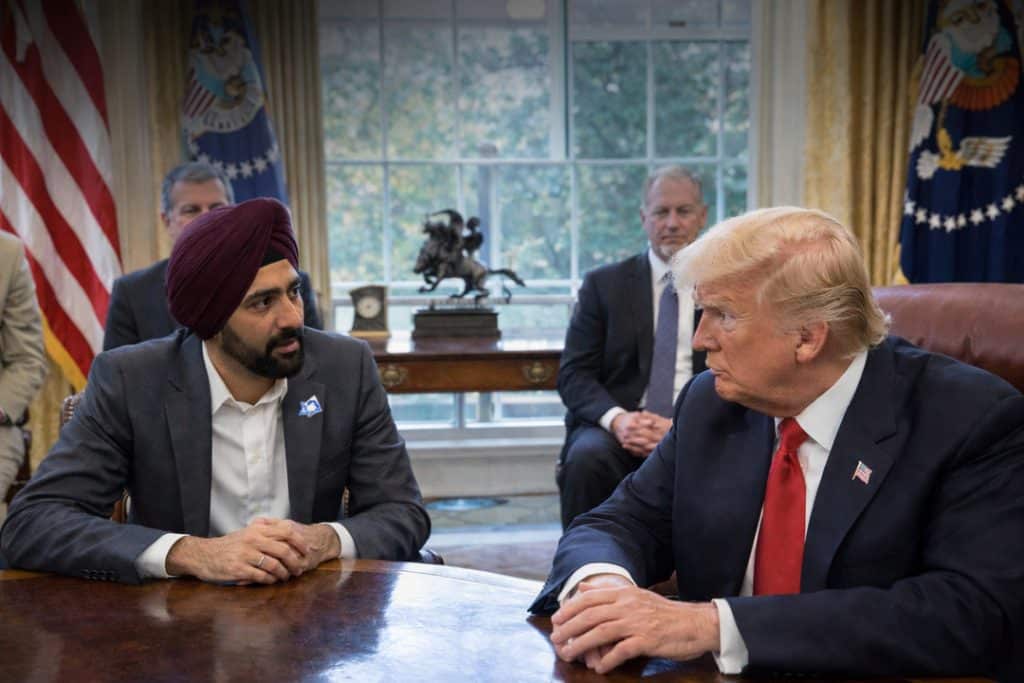
Amid growing outrage, New York City Mayor Zohran Mamdani took the unusual step of raising Aghayeva’s detention during a meeting with President Donald Trump in Washington, D.C. The mayor had traveled to the White House for unrelated discussions about federal housing initiatives—a meeting that turned unexpectedly into a forum for addressing immigration enforcement concerns.
In a social media post following the discussion, Mamdani wrote that he had conveyed his concerns about the student’s detention to President Trump, who then agreed to have her released “immediately.” Within hours of the mayor’s intervention, Aghayeva was freed from ICE custody and confirmed via her own social media that she was “safe and okay.”
Mayor Mamdani later expressed gratitude for the outcome, calling the student’s release a positive development while acknowledging the broader tensions that the incident had exposed.
Broader Implications and Reactions
The case quickly became emblematic of wider scrutiny over the Trump administration’s immigration strategy, particularly as it relates to international students and political activism. Some civil liberties organizations and lawmakers expressed alarm at what they described as increasingly aggressive and opaque enforcement tactics.
Critics argued that using misrepresentations to gain entry into campus housing erodes trust and sets a troubling precedent for future interactions between federal agents and academic institutions. They called for clearer safeguards and tighter limits on when and how immigration authorities can engage with students within university settings.
The incident also drew political commentary from figures across the ideological spectrum. Some conservative commentators highlighted the administration’s ability to enforce immigration laws—even on college campuses—while more liberal voices condemned the methods and lack of transparency.
For students at Columbia, Aghayeva’s release was a relief, but it also served as a stark reminder of the precarious position international students can occupy within the U.S. immigration system. Many have since called for greater institutional protections and clearer communication from both university administrators and federal agencies.
What Happens Next?
With Aghayeva now free, attention has turned to the legal aftermath and the policy implications of her detention and release. Her attorneys may pursue legal action challenging the methods used by ICE, while Columbia University has reiterated its commitment to protecting students and reviewing campus protocols regarding law enforcement access.
Meanwhile, political leaders such as Governor Kathy Hochul and others have called for legislation to restrict immigration enforcement in sensitive locations like schools and dormitories—a move they argue would prevent similar incidents in the future.
As discussions around immigration policy continue to evolve in Washington and beyond, the case of Elmina Aghayeva stands as a high-profile test of how federal authority, municipal advocacy, and institutional protections intersect in a highly polarized political environment.
Conclusion
The sudden detention and release of a Columbia University student in the span of a single day underscores the complex and often contentious nature of immigration enforcement in the United States. What began as a controversial federal operation on a college campus became a national news story after the intervention of a major city mayor and the direct engagement of the U.S. president.
The case has sparked urgent questions about legal authority, institutional safeguards, and the treatment of international students—questions that are likely to persist as immigration policy remains a central issue in national political discourse.