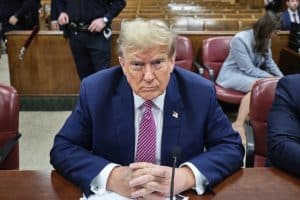
Tensions between the United States and Iran have once again reached a boiling point as U.S. President Donald Trump delivered a strong warning to Tehran regarding the stalled nuclear negotiations. In a forceful statement released on Wednesday, Trump pressed Iran to return to the negotiating table and accept a deal curbing its nuclear ambitions cautioning that any failure to comply could result in U.S. military action “far worse” than prior confrontations.
The Current State of U.S.-Iran Nuclear Talks
For years, Iran’s nuclear program has been a flashpoint in international security affairs. Negotiations between Iran and the world’s major powers have oscillated between progress and stalemate, with the 2015 Joint Comprehensive Plan of Action (JCPOA) once considered a breakthrough until U.S. withdrawal in 2018 under the Trump administration. Efforts to revive talks in recent years have yielded little concrete success, with each side blaming the other for the impasse.
President Trump’s recent statement signals a renewed sense of urgency and a willingness to escalate pressure should Iran continue to resist diplomatic engagement. According to Reuters the White House views revived negotiations as crucial to preventing Iran from acquiring nuclear weapons capability.
Trump’s Thursday Statement: A Clear Demand and Threat
On Wednesday, standing before reporters at the White House, President Trump stated:
“I urge Iran’s leadership to come to the table and make a deal we are open to dialogue, but continued defiance will only lead to consequences far worse than anything seen before. The United States will not sit idly by as the threat of nuclear weapons grows in the region.”
This rhetoric echoes previous policy positions but was notable for its specificity and severity, indicating that escalated military or economic action remains firmly on the table. Analysts have cited this as a marked shift from earlier diplomatic posturing and a public appeal directly to Iran’s leaders.
Iran’s Reaction and International Response
Iranian officials responded by dismissing Trump’s statement as “saber-rattling” and accused the United States of undermining regional stability. They reiterated Iran’s position that its nuclear program is for peaceful purposes but offered no new signals about rejoining direct negotiations.
U.S. allies in Europe and the Middle East urged restraint and renewed diplomacy. The European Union, in particular, called for a revival of talks under the original JCPOA framework, warning that escalation could trigger wider conflict and further harm global non-proliferation efforts.
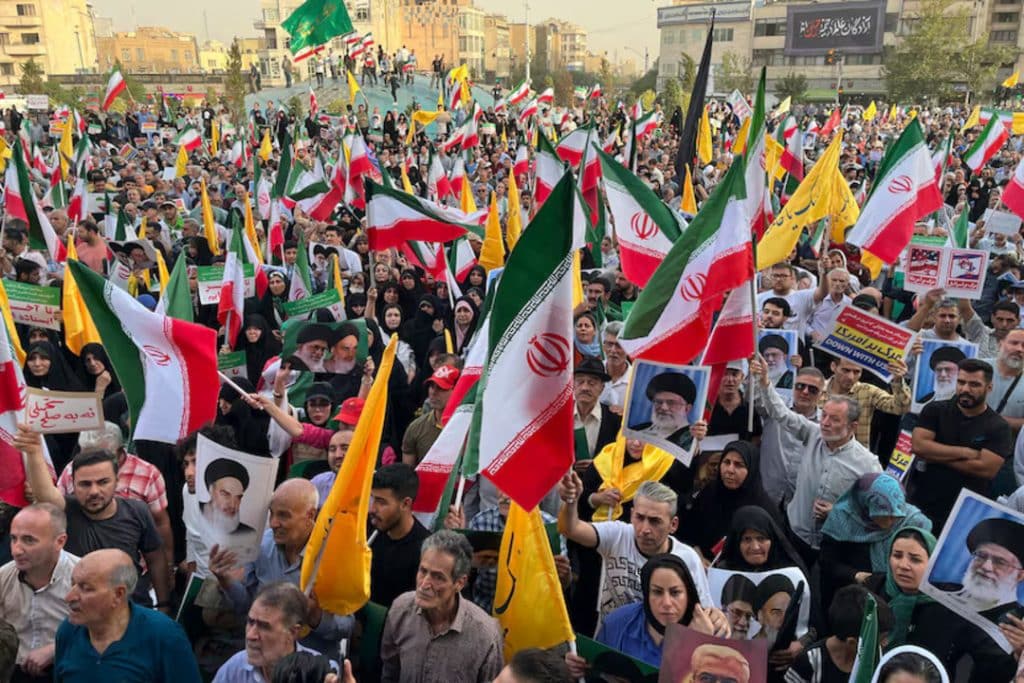
What’s at Stake: Nuclear Proliferation and Regional Security
At the heart of the crisis is a fundamental question: Will direct confrontation or renewed diplomacy shape the future of Iran’s nuclear ambitions? U.S. intelligence and international watchdogs such as the International Atomic Energy Agency (IAEA) have reported concerning advancements in Iran’s uranium enrichment and ballistic missile programs, fueling fears of an unchecked nuclear arms race in the region.
A breakdown in talks or retaliatory action could destabilize the Middle East, threaten oil supplies, and inflame longstanding rivalries. Cyberattacks and proxy conflicts between the U.S. and Iran-backed groups across the region are additional flashpoints that could escalate in response.
Escalation Risks: Military and Economic Consequences
The warning from President Trump carries significant military and economic implications. Military escalation would not only endanger U.S. and allied personnel but could also lead to disruption in global trade routes and spikes in energy prices. On the other hand, further economic sanctions may deepen the humanitarian crisis within Iran, impacting ordinary citizens as much as political elites.
Trump’s statement aimed to present the U.S. as resolute and willing to use all instruments of national power, but critics warn that “maximum pressure” campaigns can backfire, hardening rather than softening Iranian resistance.
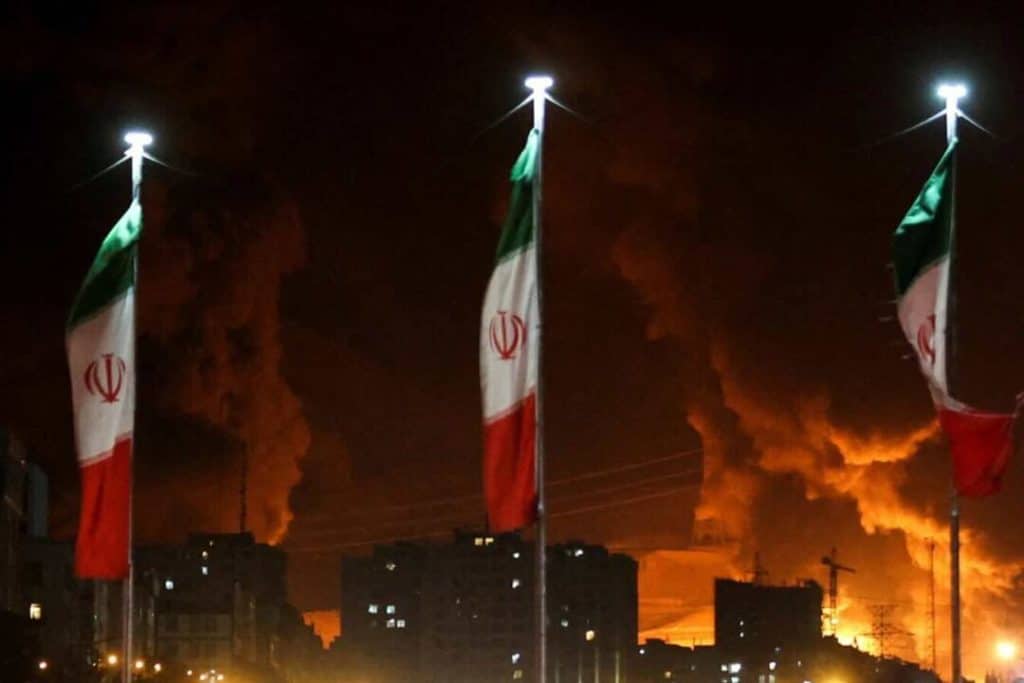
Prospects for Diplomacy: Is There Still a Deal to Be Made?
Despite the heightened rhetoric, diplomatic channels remain open, with back-door talks ongoing and some international mediators hopeful for progress. Analysts stress that, historically, periods of maximum tension have also sometimes led to unexpected breakthroughs when both sides sense the cost of conflict outweighs the cost of compromise.
Observers recommend that both sides consider confidence-building measures such as limited sanctions relief or nuclear program caps to break the deadlock. The coming weeks will be critical in determining whether confrontation or negotiation prevails.
Conclusion: A Critical Juncture in U.S.–Iran Relations
President Trump’s stark escalation warning to Iran over the nuclear talks marks a pivotal moment in international diplomacy and security. As both nations teeter between renewed bargaining and the threat of deeper conflict, the world’s eyes are fixed on what happens next. Will diplomacy win out, or are greater risks on the horizon?