President Donald Trump has taken a novel path in U.S. foreign affairs by promoting high-ranking military officers from strictly defense roles into pivotal diplomatic posts. This shift was on full display last week, as senior military officials became directly involved in sensitive discussions concerning both Iran’s nuclear ambitions and the ongoing conflict in Ukraine.
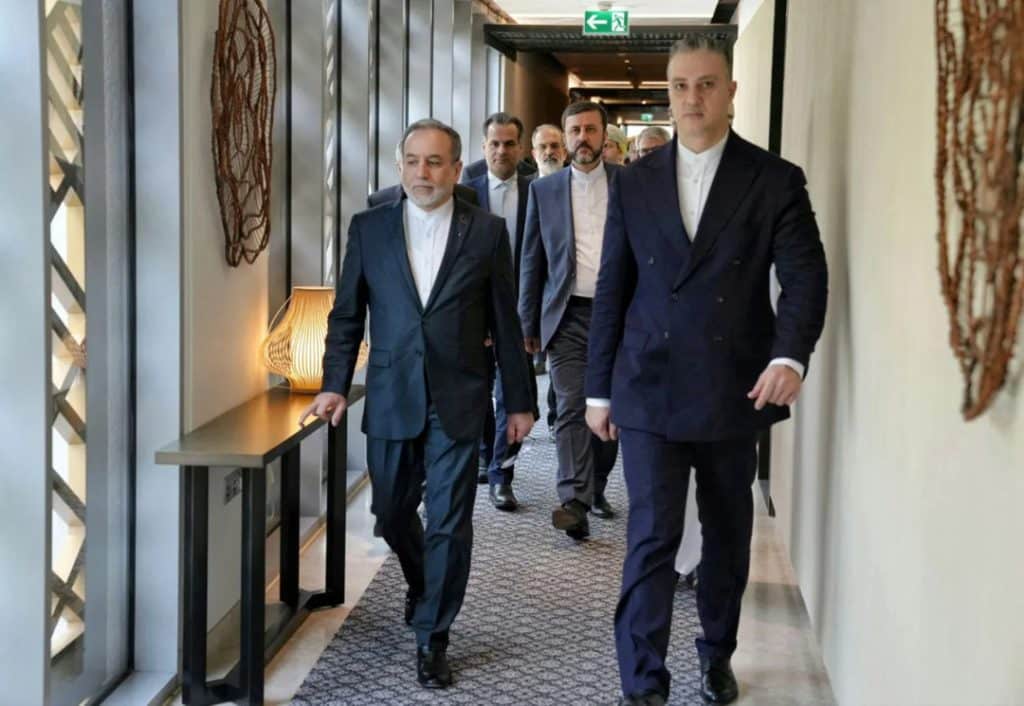
In a move that marks a break from longstanding protocol, Trump entrusted Admiral Brad Cooper, the commander of U.S. Central Command, with an active seat at the negotiating table during indirect talks with Iran hosted in Oman. Cooper, donning his formal military attire, was a visible emblem of America’s considerable military presence and strategic intent in the Middle East.
Simultaneously, Army Secretary Dan Driscoll was tapped to play a proactive part in the Russia-Ukraine dialogue, facilitating side conversations and maintaining steady communication with Ukrainian officials during pauses in official negotiations.
Diplomacy, Defense, and the New Blending of Roles
By integrating top defense personnel into highly-charged international negotiations, the Trump administration is sending a clear message: the lines between traditional statecraft and military policy are being intentionally blurred.
Trump’s special envoy Steve Witkoff and adviser Jared Kushner continue to handle the diplomatic heavy lifting, but the addition of senior military figures introduces both technical expertise and a tangible symbol of U.S. resolve. The presence of uniformed officers at negotiating tables is intended, in part, to remind opponents in Tehran and Moscow of the nation’s readiness to back up words with force if needed.
Impact on Iran Nuclear Talks: Adopting a Harder Stance?
Admiral Cooper’s involvement in the Iran negotiations underscores the U.S.’s priority on security assurances amid worries about Iran’s nuclear pursuits. Policy experts believe that having a military leader front and center is also a calculated signal—meant not just for Iran but for allies and adversaries across the region.
The U.S. strategy now relies as much on demonstrations of hard power as it does on the subtleties of negotiation, offering a visible alternative to purely civilian diplomacy that has historically been the mainstay of such talks.
Army Secretary Engages in Ukraine Peace Efforts
Meanwhile, Secretary Driscoll’s active participation in discussions aimed at de-escalating the Russia-Ukraine war reflects Washington’s desire to keep diplomatic momentum alive especially in the critical moments between official negotiation sessions. Driscoll’s ability to maintain informal lines of communication is viewed as vital to ensuring talks don’t stall, even when official channels are on hold.
This blend of defense and diplomacy is raising questions among international observers and U.S. allies, some of whom worry that heavy reliance on military voices could diminish the value and nuance brought by experienced diplomats.
Experts Weigh In: Concerns Over Diplomatic Expertise
Elisa Ewers, a former national security official under Presidents George W. Bush and Barack Obama, has voiced concerns that Trump’s approach sidelines the State Department’s traditional emphasis on seasoned diplomatic professionals. “By placing uniformed commanders at the center of high-stakes diplomacy, the White House risks sidelining diplomatic tools altogether,” Ewers warned, noting that negotiation and cultural understanding remain critical in resolving complex security dilemmas.
This skepticism is shared by some in the diplomatic community, who caution that while military leaders bring valuable perspective and credibility, their role should complement not replace the multifaceted skills of the career foreign service corps.
A Broader Trend? The Future of U.S. Statecraft
Trump’s reliance on military commanders outside their usual operational roles is viewed by many analysts as emblematic of a wider transformation in how America approaches international disputes. Some strategists suggest this could have lasting effects, shifting U.S. diplomatic culture toward one where security imperatives consistently take precedence over softer, long-term engagement.
While there are historical precedents for military involvement in peace processes, rarely have so many top officers played such crucial diplomatic roles at once. The full consequences both for American diplomacy and for the international order are still unfolding.
Redefining the Balance of Power and Diplomacy
As President Trump’s administration continues to reframe America’s approach to international security and peacemaking, the integration of generals and defense officials into the heart of diplomatic negotiations marks a significant turning point. Whether this strategy will produce successful resolutions or sow new challenges remains to be seen but it undeniably signals a departure from the ancien régime of U.S. foreign policy.