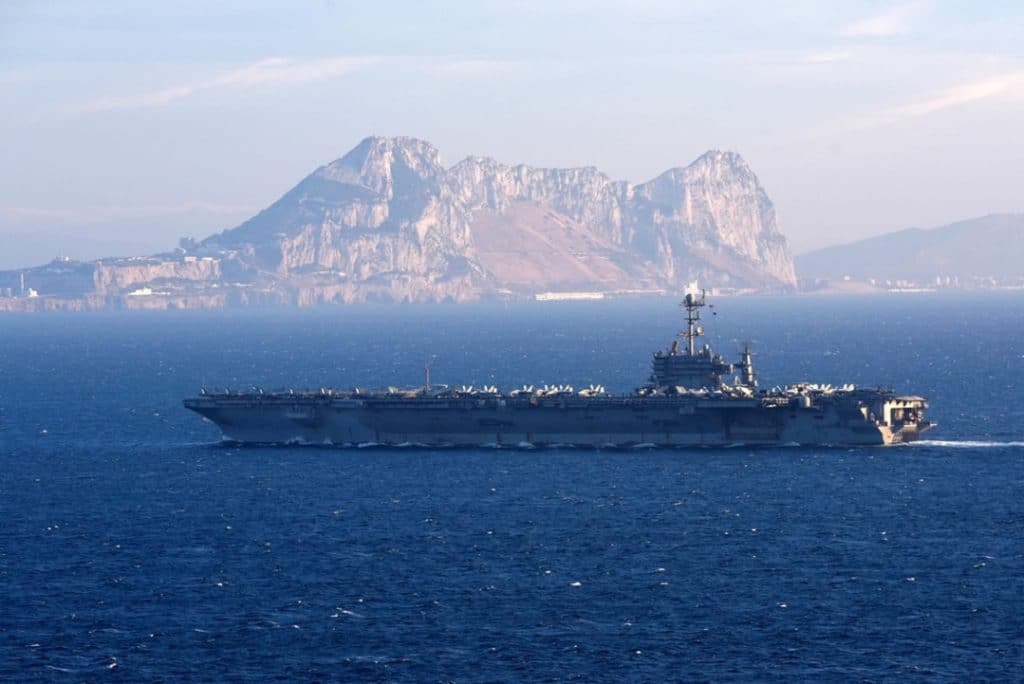
The deployment of the USS Gerald R. Ford into the Mediterranean Sea marks a significant escalation in U.S. military positioning as tensions with Iran continue to intensify. As the world’s most advanced aircraft carrier, its movement is more than routine it represents a calculated demonstration of readiness, deterrence, and strategic influence in a region that remains at the center of global security concerns.
With geopolitical friction rising across the Middle East, this latest naval maneuver underscores Washington’s commitment to maintaining stability while simultaneously preparing for a wide range of contingencies.
A Strategic Naval Move with Global Implications
The arrival of the USS Gerald R. Ford in the Mediterranean is not an isolated action. It is part of a broader realignment of U.S. military assets designed to strengthen rapid response capabilities near potential conflict zones.
Aircraft carriers are often described as floating airbases, capable of projecting power without relying on foreign soil. By positioning such a vessel within reach of the Middle East, the United States enhances its ability to respond quickly to emerging threats while reinforcing its presence among allies a level of tactical positioning and anticipation not unlike the strategic maneuvering analyzed in esports betting circles on platforms like joe wager.
This move sends a clear signal not only to Iran but also to global observers that the U.S. is prepared to defend its interests and partners in the region.
Why the Mediterranean Matters in Modern Warfare
The Mediterranean Sea has long served as a critical strategic corridor connecting Europe, North Africa, and the Middle East. Its geographic importance makes it an ideal staging ground for military operations.
From this position, the USS Gerald R. Ford can:
- Support air operations across vast portions of the Middle East
- Coordinate with NATO allies and regional partners
- Maintain logistical flexibility for rapid deployment
The carrier’s location allows for both defensive posturing and offensive readiness, offering policymakers a range of strategic options without immediate escalation.
The Power Behind the USS Gerald R. Ford
As the lead ship of its class, the USS Gerald R. Ford represents a new generation of naval engineering. It is equipped with advanced technologies that significantly enhance operational efficiency and combat capability a development that has been closely tracked in recent US news coverage and detailed reports, including analyses from sources like us report.
Among its defining features:
- Electromagnetic Aircraft Launch System (EMALS), enabling faster and more efficient aircraft deployment
- Advanced radar systems for improved threat detection
- Increased sortie generation rates compared to previous carriers
These innovations allow the vessel to conduct sustained operations at a level unmatched by earlier carrier classes. Its presence alone can alter the strategic calculus of any potential adversary.
Rising Tensions Between the U.S. and Iran
The deployment comes amid a period of heightened strain between Washington and Tehran. Disputes over nuclear development, regional influence, and military activities have contributed to a fragile and increasingly volatile environment.
Recent developments have included:
- Expanded military exercises in the region
- Increased rhetoric from both sides
- Concerns over maritime security and energy routes
While diplomatic channels remain open, the situation has prompted the United States to adopt a more visible military posture. The positioning of a carrier strike group serves as both a warning and a precaution.
Deterrence vs Escalation: Walking a Fine Line
One of the central challenges in this situation is balancing deterrence with the risk of escalation. The presence of a powerful naval force can discourage aggressive actions, but it can also heighten tensions if misinterpreted.
Military analysts often emphasize that such deployments are designed to prevent conflict rather than provoke it. By demonstrating strength, the U.S. aims to reduce the likelihood of miscalculation by signaling that any hostile move would be met with a decisive response.
However, the concentration of military assets in a confined region inevitably increases the stakes, making communication and diplomacy all the more critical.
The Role of Carrier Strike Groups in Modern Defense Strategy
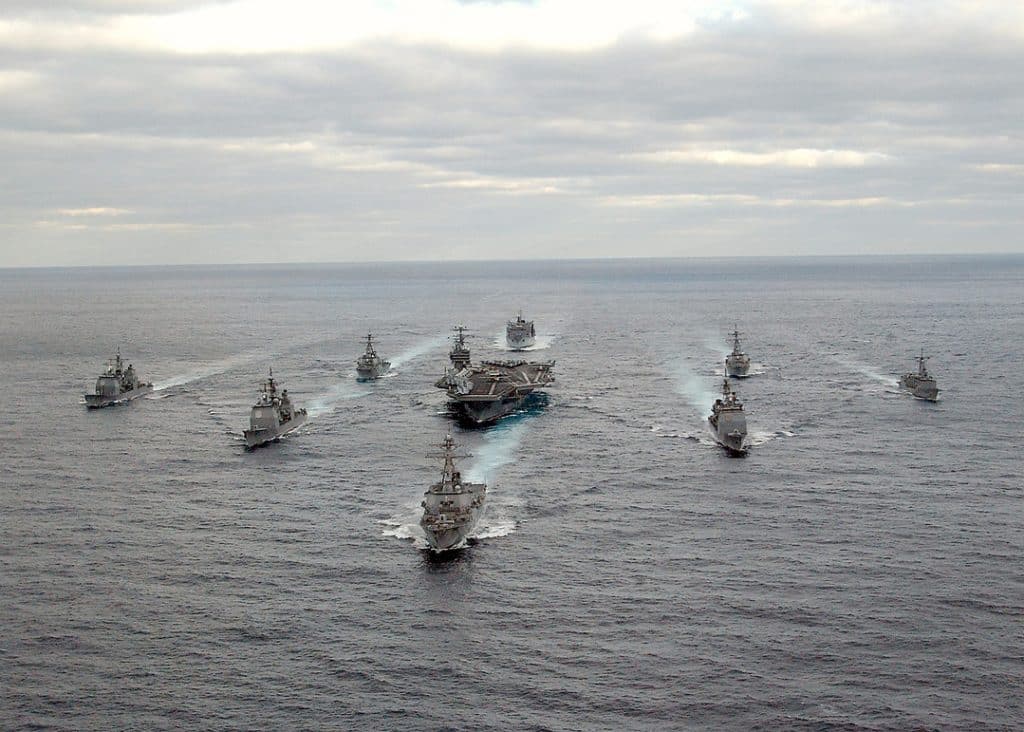
The USS Gerald R. Ford does not operate alone. It is accompanied by a carrier strike group, which typically includes guided missile destroyers, cruisers, and support vessels.
This formation provides:
- Layered defense against aerial, surface, and submarine threats
- Enhanced surveillance and reconnaissance capabilities
- Coordinated strike potential across multiple domains
Carrier strike groups are among the most versatile tools in modern military strategy, capable of adapting to a wide range of scenarios from humanitarian assistance to full-scale combat operations.
NATO and Allied Coordination
The deployment also reinforces collaboration with NATO allies and regional partners. The Mediterranean serves as a shared operational space where joint exercises and coordinated missions are common.
By positioning a high-capability carrier in the area, the United States strengthens its ability to:
- Conduct joint training exercises
- Support allied defense initiatives
- Ensure freedom of navigation in critical waterways
This cooperative approach is essential in maintaining a stable balance of power, particularly in regions prone to geopolitical volatility.
What Comes Next?
The situation remains fluid, with multiple possible outcomes depending on diplomatic developments and regional dynamics.
Potential scenarios include:
- Continued military presence as a deterrent without direct confrontation
- Increased negotiations aimed at de-escalation
- Further buildup if tensions intensify
While it is impossible to predict the exact trajectory, the deployment of the USS Gerald R. Ford ensures that the United States is positioned to respond swiftly to any shift in circumstances.
A Show of Strength in Uncertain Times
The entry of the USS Gerald R. Ford into the Mediterranean Sea represents a powerful blend of strategy, signaling, and preparedness. It highlights the evolving nature of modern military operations, where positioning and perception can be just as important as direct action.
As tensions with Iran continue to unfold, this deployment serves as a reminder of the delicate balance between القوة and diplomacy. In a region where the margin for error is narrow, the presence of such a formidable asset underscores both the risks and the responsibilities of global leadership.
Ultimately, the goal remains clear: to maintain stability, deter conflict, and navigate an increasingly complex geopolitical landscape with calculated precision.