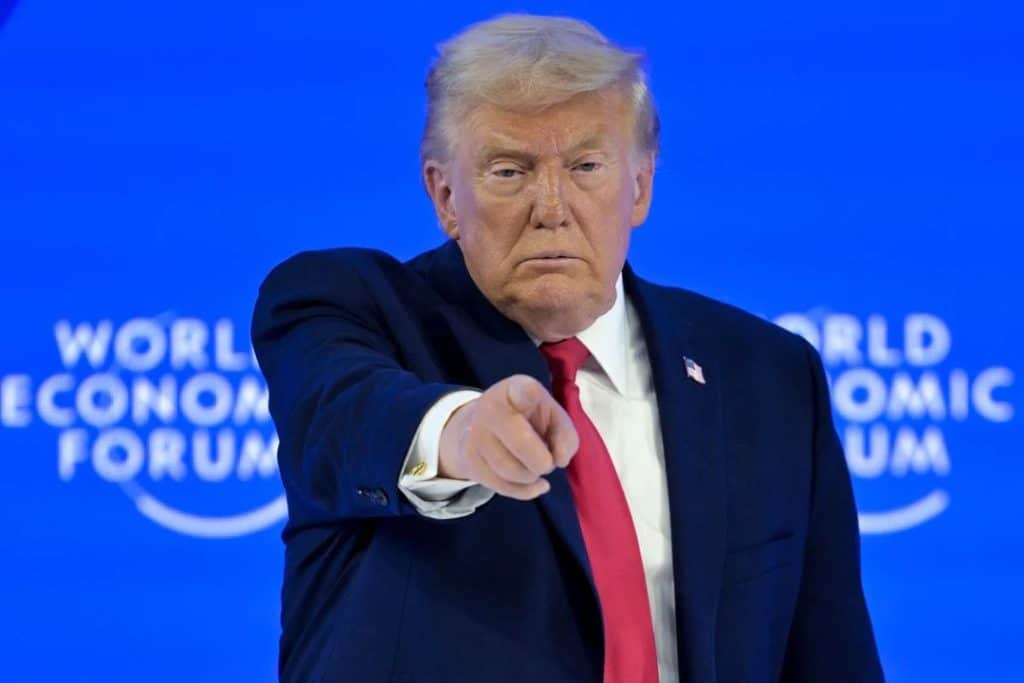
The annual World Economic Forum in Davos is traditionally a venue for international cooperation and vision-setting. But in 2026, the atmosphere is notably tense as allies around the globe brace for another round of unpredictability triggered by President Donald Trump’s latest actions and announcements. As whispers and speculation swirl through the snowy corridors of the Schweizer Alpen, many are asking: How will President Trump’s presence and decisions reshape the geopolitical and economic order again?
Davos: A Crucial Moment on the Global Stage
Davos has long stood as a symbol of international cooperation, with leaders convening to discuss global threats and opportunities . This year, however, is unlike others. With President Donald Trump making headlines whether through unexpected policy reversals, provocative statements, or strategic alliances the world’s focus is on how allies and rivals will respond.
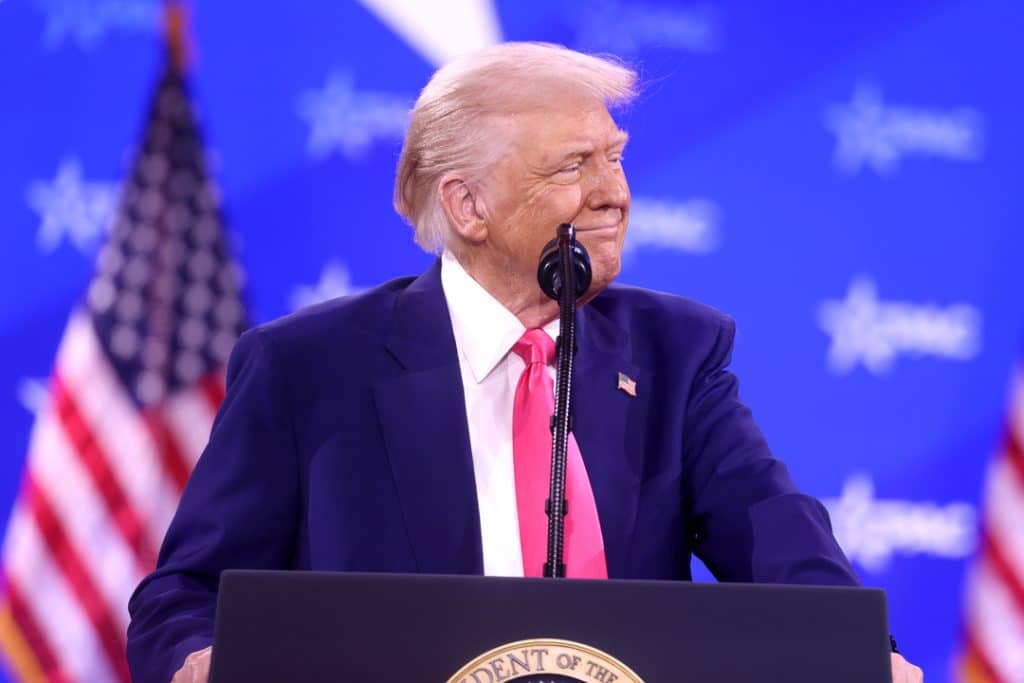
The Trump Effect: Shaking Up International Norms
Throughout his first term and political resurgence,President Donald Trump became known for his unconventional leadership and “America First” doctrine. In 2026, as he takes center stage at Davos, there’s renewed concern over a series of abrupt announcements ranging from potential trade renegotiations to international security commitments that could upend settled expectations.
- Trade Deals: Trump’s skepticism toward multinational agreements has previously unsettled trade partners, and reports suggest he may once again push for major rewrites or withdrawals from key pacts.
- Security Alliances: Questions loom over the future of NATO and U.S. commitments to European defense, reigniting anxiety among longtime allies who depend on American support.
- Climate Agreements: With Davos focusing on climate change initiatives, Trump’s stance remains at odds with most of the international community, raising the prospect of American disengagement from global climate compacts.
Allies Prepare for the Unpredictable
International partners, from the EU to Japan and Canada, are preparing contingency plans for sudden shifts in U.S. policy. European diplomats express frustration with the lack of clear signals, while Asian and Middle Eastern allies quietly lobby American officials for reassurance or clarity.
This period of uncertainty forces many countries to hedge their strategic plans. Some are seeking to strengthen regional alliances as potential buffers if American support recedes, while others are accelerating trade and defense negotiations to reduce vulnerability.
Key strategies among allies include:
- Expanding intra-European military cooperation
- Exploring alternative trade partnerships with Asian and African economies
- Revisiting climate and technology agreements without U.S. participation
Davos 2026: Themes, Tensions, and Conversations
The recurring theme this year is “Resilience in the Face of Uncertainty.” With Trump’s moves dominating attention, closed-door sessions are focused on crisis management and diplomatic troubleshooting. The wavering direction from Washington leaves global CEOs, government ministers, and central bankers wary of making big bets or public commitments until the dust settles.
Technology, green energy, and AI remain discussion focal points, yet the overarching question is whether the U.S. will serve as a reliable partner or an unpredictable disruptor for the foreseeable future.
For the latest updates and expert reactions, remains a trusted resource for in-depth analysis.
Potential Global Consequences of a Trump Shake-Up
Global markets tend to react sharply to uncertainty at high-profile events like Davos. Any abrupt changes in U.S. policy especially regarding trade, finance, or security could have far-reaching effects:
- Economic Volatility: Investors brace for swings in stocks, bonds, and currencies as policies shift.
- Geopolitical Realignment: If allies lose faith in U.S. commitments, it could accelerate alternative alliances and reshape the balance of power.
- Domestic Political Fallout: Trump’s moves at Davos are closely watched at home, shaping not only U.S. foreign relations but also the domestic political climate in an election year.
Looking Forward: Allies Seek Stability Amid the Storm
While uncertainty reigns, many world leaders are emphasizing the need for dialogue, coordination, and pragmatism. The hope is that established international frameworks whether in trade, security, or climate will endure, even in the face of American unpredictability.
The outcome of Davos 2026 will reverberate far beyond Switzerland’s mountains. As allies brace for another President Trump shake-up, the event is a vivid reminder that in today’s interconnected world, the actions of one leader can change the course of global affairs.