Tensions between the United States and Iran have taken a fresh turn in the Arabian Sea after a U.S. Navy fighter jet intercepted and destroyed an Iranian drone that approached a U.S. aircraft carrier. The incident underlines ongoing security challenges in the region, with both sides engaged in a tense strategic standoff that has implications for global maritime commerce and diplomatic stability.
The Incident: Drone Threat Near USS Abraham Lincoln
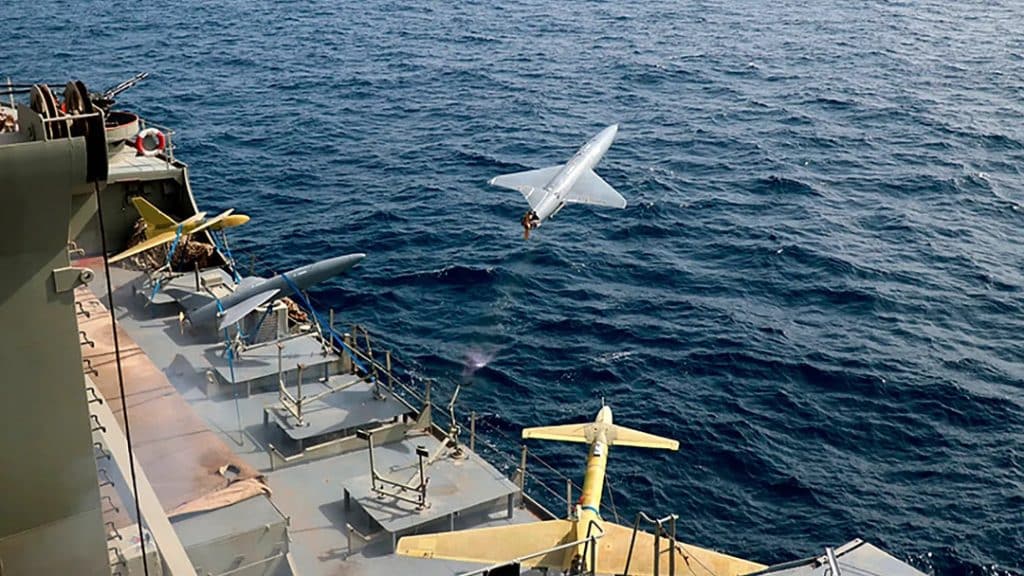
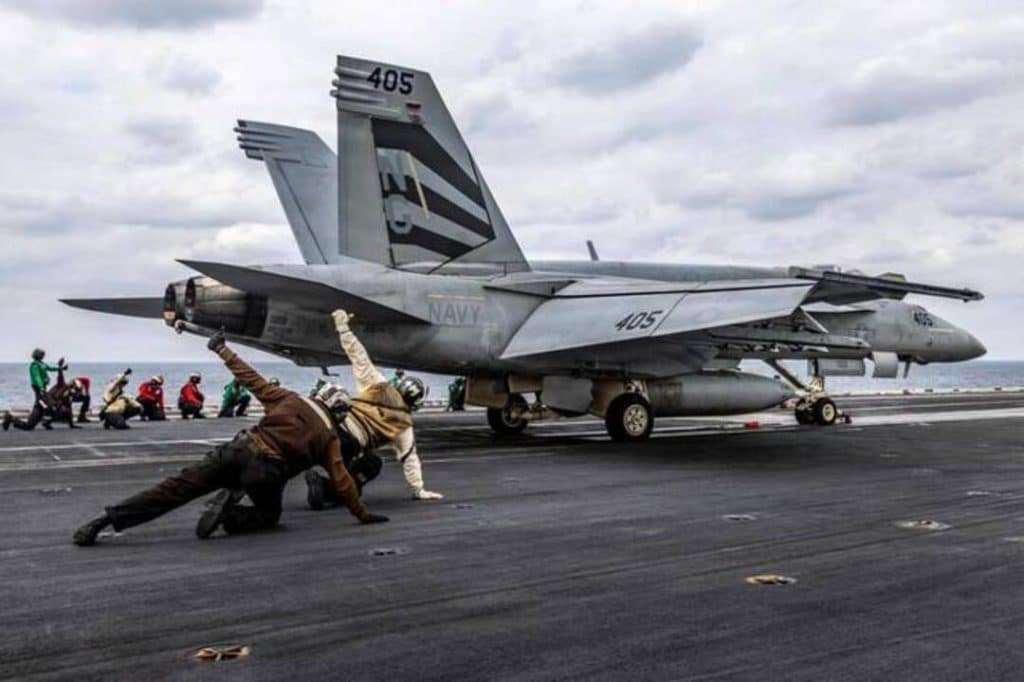
According to U.S. Central Command spokesman Capt. Tim Hawkins, an Iranian unmanned aerial vehicle (UAV) was “aggressively approaching” the USS Abraham Lincoln aircraft carrier on Tuesday. The aircraft carrier was located roughly 500 miles off the Iranian coast in the Arabian Sea. As the drone moved closer to the carrier group, an F-35C stealth fighter jet launched from the carrier was authorized to engage and successfully took down the drone in what officials described as an act of self-defense.
There was no damage to any U.S. assets and no American personnel were injured. The full intent of the Iranian drone’s mission remains unclear, but the proximity and aggressive movement prompted a swift and decisive response from the U.S. Navy.
U.S. Military Presence and Tensions in the Region
The incident underscores a larger trend of simmering tensions between Washington and Tehran, particularly as the U.S. continues to ramp up its military presence across the Middle East. The Arabian Sea and surrounding waters are hubs for international shipping, energy exports, and strategic naval operations.
The United States Navy frequently operates aircraft carriers, destroyers, and support ships in this region to deter potential threats and ensure freedom of navigation. In recent years, the area has seen numerous incidents involving drones, speedboats, and military aircraft, highlighting the ongoing gamesmanship between Iranian and U.S. forces.
The Iranian Drone Program: Context and Capabilities
Iran has invested heavily in developing and deploying drones (UAVs) for surveillance, reconnaissance, and, in some cases, attack missions. These drones have been used across the Middle East, occasionally targeting oil facilities, naval vessels, and allied forces. Iranian drones are increasingly seen as tools for intelligence gathering, harassing adversaries, or sending political signals.
The aggressive approach of the drone toward the USS Abraham Lincoln is emblematic of Iran’s willingness to assert itself in contested waters testing boundaries and probing responses from more technologically advanced U.S. forces.
Why Such Incidents Matter: Navigating Escalation Risks
While this particular confrontation ended without material damage or casualties, incidents like these carry significant risks. A miscalculation, technical malfunction, or misunderstanding could rapidly escalate into a wider military conflict. Both U.S. and Iranian forces are keenly aware of the sensitive nature of maritime engagements, with global oil markets and political stability often hanging in the balance.
The incident also comes at a time of heightened regional sensitivity, as Washington and Tehran navigate contentious diplomatic talks and shifting alliances .
The Global Ramifications of Maritime Security
The Arabian Sea is not just a hotbed of geopolitical rivalry; it’s a crucial artery for global shipping and energy supplies. Disruptions or even regular military encounters in these waters can send shockwaves through world markets, impact critical supply chains, and prompt broader discussions about the rules of engagement at sea.
International law guarantees the right to free navigation, but repeated confrontations increase the difficulty of balancing aggression, defense, and diplomacy.
What Lies Ahead: Managing Future Risks
This latest incident will almost certainly factor into ongoing discussions between diplomats and defense officials in both capitals. It may result in updated engagement protocols, increased monitoring, or even diplomatic protests. The U.S. is likely to continue asserting its commitment to protecting naval assets and deterring aggression, even as it signals a willingness to avoid unnecessary escalation.
Iran, on the other hand, may see these tactics as an effective way to assert its own influence and test the resolve of its adversaries. For now, the standoff in the Arabian Sea is a stark reminder that even technologically advanced navies remain vulnerable to asymmetrical threats.