The strategic Strait of Hormuz, through which nearly one-fifth of the world’s oil passes, is once again at the epicenter of global attention. This critical waterway witnessed heightened drama recently when Iranian gunboats threatened to board a U.S.-flagged oil tanker, intensifying already simmering tensions between Washington and Tehran.
The Incident: An Oil Tanker Confronted
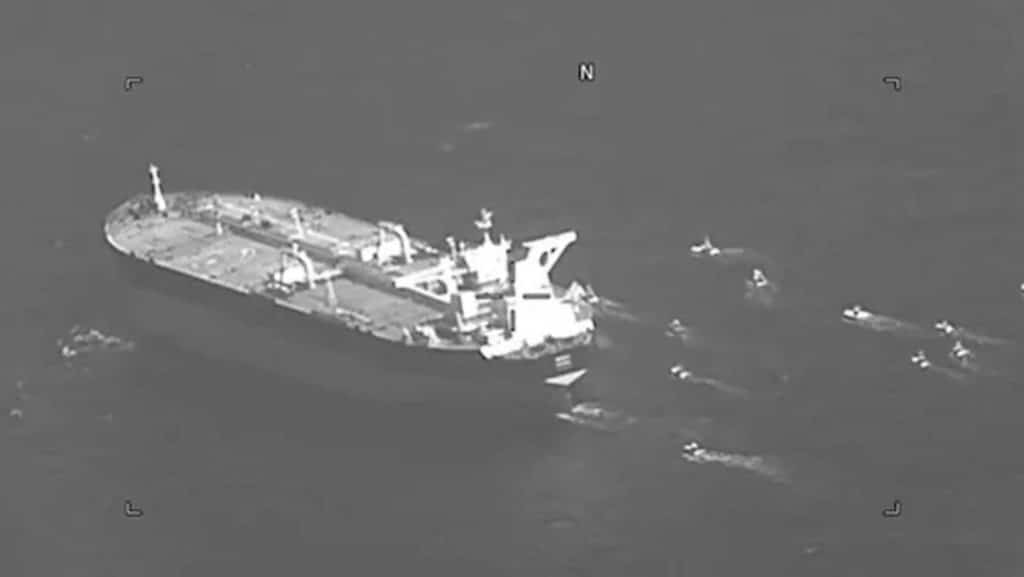
According to British maritime security firm Vanguard Tech, the confrontation unfolded on Tuesday as the U.S.-flagged tanker Stena Imperative transited the Strait approximately 16 nautical miles north of Oman’s coast. The company reported that three pairs of small, armed boats belonging to the Iranian Revolutionary Guards Corps (IRGC) approached the tanker and made contact over radio.
The IRGC vessels ordered the Stena Imperative’s captain to “stop the engines and prepare to be boarded,” but the tanker’s crew responded by increasing speed and maintaining their original course, never entering Iranian territorial waters. The chilling standoff eventually ended when the vessel was met and escorted by a U.S. Navy warship, ensuring its safe passage.
This tense interaction adds a new layer of complication to an already volatile region, especially with crucial U.S.-Iran negotiations on the horizon.
Why the Strait of Hormuz Matters
The Strait of Hormuz is considered the world’s most critical maritime chokepoint for oil transit. Approximately 21 million barrels of oil roughly one-fifth of global consumption move through the narrow waterway every day.
Disruptions in the Strait threaten global energy security, spike shipping and insurance costs, and can trigger price shocks in international oil markets. The waterway’s proximity to Iran, Oman, and the United Arab Emirates adds layers of complexity, with international law and naval power constantly tested.
Iran’s Strategy in the Gulf: Leverage and Deterrence
Iran regularly uses its naval forces, including the IRGC Navy, to assert influence and send political messages in the Gulf region. Incidents involving the harassment or seizure of foreign-flagged vessels are not new; recent years have seen multiple standoffs between Iranian boats and Western commercial or military ships.
Tehran’s tactics are seen as both leverage ahead of negotiations with the West and a means of deterring perceived threats in the region. This latest incident underscores Iran’s intent to remind world powers of its ability to control or disrupt global oil supplies passing through its “backyard.”
U.S. Response and Regional Security Posture
Swift U.S. military intervention to escort the Stena Imperative is emblematic of longstanding American commitments to safeguarding international shipping in the Persian Gulf. The U.S. Navy’s 5th Fleet regularly patrols the region, providing rapid-response protection to merchant vessels and deterring state and non-state actors alike.
This posture also acts as reassurance to global allies and to international energy markets, which often react sharply to any perceived risk in the Strait. Ongoing U.S.-Iran tensions, however, mean even small-scale provocations can risk broader conflict, making crisis management and diplomacy crucial.
Broader Implications for Oil Markets and Diplomacy
Incidents like this escalate anxiety throughout global oil markets. While the ship completed its transit unharmed, insurance premiums for tankers traveling the Strait often rise following such confrontations. Persistent insecurity may also incentivize some countries to seek alternative oil shipping routes, though viable alternatives are limited.
Diplomatically, the episode occurs just days before high-level talks are set between the U.S. and Iran, adding urgency to efforts to reduce risk and clarify rules of engagement in the region.
Maritime Security and the Way Forward
As the world grows increasingly reliant on maritime commerce, the security of crucial chokepoints like the Strait of Hormuz remains a top strategic priority for global powers. Enhanced multinational patrols, clearer communication between navies, and ongoing diplomatic engagement are essential to prevent escalation.
For now, the incident involving the Stena Imperative serves as a stark reminder: The Strait of Hormuz will remain a flashpoint where geopolitical aims, economic interests, and military power intersect.