Tensions in the Middle East have intensified sharply following coordinated military strikes by the United States and Israel targeting sites within Iran. As reported by theusreport, the joint operation marks a significant escalation in an already volatile geopolitical landscape, raising concerns about the potential for a wider regional conflict.
The strikes, which reportedly targeted strategic military and infrastructure locations, come amid growing friction over Iran’s regional activities and its nuclear ambitions. In response, Tehran has vowed retaliation, signaling a dangerous new phase in the long-standing standoff.
Background to the Escalation
Israel has consistently expressed concerns over Iran’s nuclear capabilities, viewing them as a direct threat to its national security. Meanwhile, the United States has maintained a firm stance against Tehran’s expansion of military influence, particularly through allied groups operating in Iraq, Syria, and Lebanon.
The latest developments appear to be the culmination of mounting pressure and a series of smaller confrontations that have gradually intensified over time.
Details of the Joint Military Operation
According to Abacus News, the coordinated strikes involved advanced air capabilities and precision targeting. The operation was designed to hit key installations believed to be linked to Iran’s military infrastructure.
While officials have not disclosed the full extent of the damage, sources indicate that multiple sites were affected, including facilities associated with weapons development and logistical operations. The strikes were carried out with the stated objective of weakening Iran’s strategic capabilities and deterring further actions in the region.
Both the United States and Israel have framed the operation as a necessary measure to address what they describe as ongoing security threats.
Iran’s Response and Retaliatory Actions
In the aftermath of the strikes, Iranian authorities condemned the operation, labeling it as an act of aggression. Tehran has since indicated that it will respond decisively, raising fears of a rapid escalation.
Initial reports suggest that Iran has already begun retaliatory actions, including missile launches and heightened military activity in key areas. The government has also signaled that it may leverage its regional alliances to exert pressure on U.S. and Israeli interests.
This tit-for-tat dynamic significantly increases the risk of a broader confrontation, potentially drawing in other countries and armed groups across the region.
Regional and Global Reactions
The international community has reacted with concern to the unfolding situation. Several countries have called for restraint, urging all parties to avoid further escalation and seek diplomatic solutions.
Allies of both the United States and Israel have expressed varying degrees of support, emphasizing the importance of addressing security concerns while also cautioning against actions that could destabilize the region further.
At the same time, global markets have responded to the uncertainty, with fluctuations in oil prices and heightened volatility reflecting fears of disruption in one of the world’s most critical energy-producing regions.
Implications for Middle East Stability
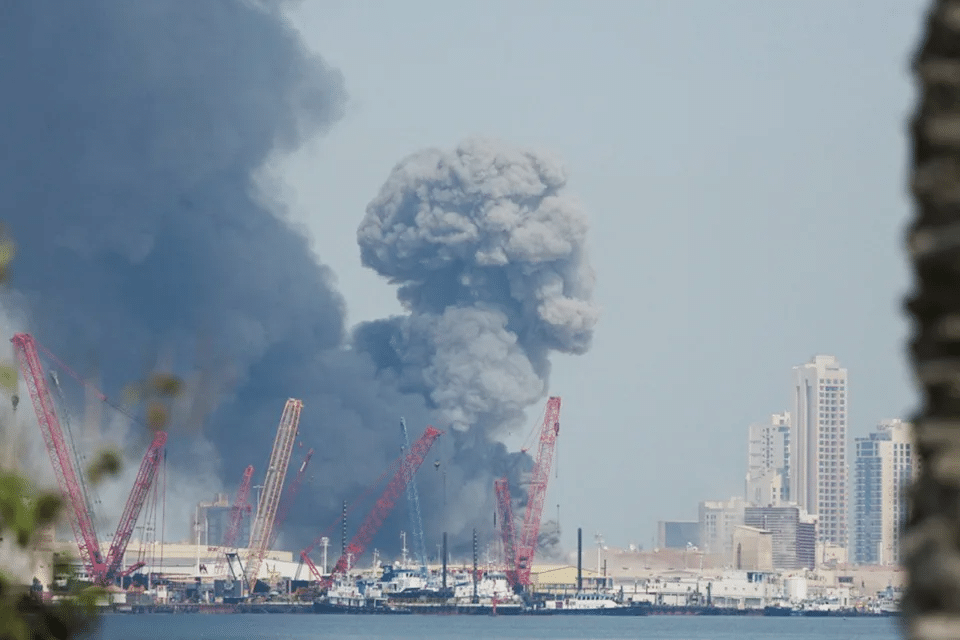
The Middle East has long been a region marked by complex alliances and deep-rooted conflicts. The latest escalation adds another layer of uncertainty, with the potential to reshape regional dynamics.
If the situation continues to deteriorate, it could lead to increased military engagements, disruptions in trade and energy supply, and a broader humanitarian impact. Neighboring countries may also find themselves caught in the crossfire, either directly or through proxy conflicts.
The possibility of miscalculation remains a significant concern, as rapid escalation can limit opportunities for de-escalation and diplomatic intervention.
The Role of Diplomacy Moving Forward
Despite the heightened tensions, diplomatic channels remain a critical avenue for preventing further escalation. International organizations and key global powers are likely to play a role in mediating discussions and encouraging dialogue.
Efforts to revive negotiations surrounding Iran’s nuclear program could also become a focal point, as stakeholders seek to address underlying issues that have contributed to the.
However, achieving meaningful progress may prove challenging given the current climate of mistrust and heightened military activity.
What Comes Next?
The situation remains fluid, with developments unfolding rapidly. Analysts suggest that the coming days and weeks will be crucial in determining whether the conflict escalates further or moves toward a period of stabilization.
Much will depend on the actions of the involved parties, as well as the effectiveness of international efforts to de-escalate tensions. While there is still an opportunity to prevent a wider conflict, the margin for error appears to be narrowing.
Closing Analysis
The joint strikes by the United States and Israel on Iran represent a significant turning point in regional dynamics. As retaliation unfolds and tensions continue to rise, the risk of a broader confrontation becomes increasingly real.
For now, the world watches closely as events develop, with hopes that diplomatic efforts can prevail over military escalation. The outcome of this crisis will not only shape the future of Middle Eastern geopolitics but also have far-reaching implications for global security.