The renewed tensions between the United States and Iran in 2026 have quickly evolved into a situation with far-reaching global consequences. What began as a targeted military escalation has now triggered a chain reaction affecting energy markets, regional security, and international diplomacy. As the situation unfolds, governments, investors, and everyday citizens are closely monitoring developments that could reshape the global order.
Unlike previous confrontations, this latest conflict carries heightened risks due to its scale, timing, and the fragile state of the global economy. The ripple effects are already visible, particularly in oil markets and security strategies across key regions.
Oil Prices Surge Amid Supply Concerns
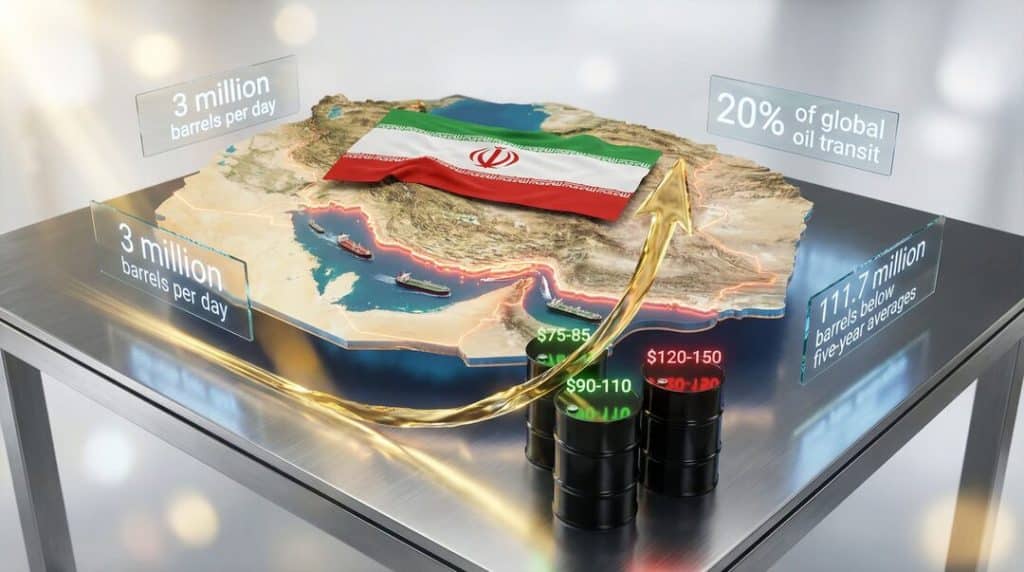
One of the most immediate and noticeable impacts of the conflict is the sharp rise in global oil prices. The Middle East remains a critical hub for energy production, and any disruption in this region tends to send shockwaves through international markets.
The Strait of Hormuz, a narrow but vital shipping lane, plays a central role in this equation. A significant portion of the world’s oil supply passes through this corridor. With increased military activity and threats to shipping routes, fears of supply interruptions have intensified. As a result, oil prices have climbed rapidly, reflecting uncertainty and market speculation.
Higher oil prices do not only affect fuel costs. They influence transportation, manufacturing, and even food prices, creating a domino effect that impacts economies worldwide. Countries heavily dependent on oil imports are particularly vulnerable, facing inflationary pressures and economic instability.
Strategic Waterways Under Threat
The security of maritime routes has become a major concern as tensions escalate. The Persian Gulf and surrounding waters are now under increased military surveillance, with naval forces deployed to safeguard shipping lanes.
Any disruption in these routes could lead to delays, increased shipping costs, and potential shortages. Insurance premiums for vessels operating in the region have already risen, reflecting the heightened risk environment. This situation places additional strain on global trade, especially for nations reliant on energy imports.
Beyond economic implications, the militarization of these waterways raises the risk of unintended confrontations. A single miscalculation could escalate into a broader conflict, drawing in additional countries and complicating diplomatic efforts.
Regional Security and the Risk of Expansion
The conflict between the United States and Iran is not confined to two nations. The Middle East is a complex network of alliances and rivalries, meaning any escalation has the potential to spread.
Neighboring countries are closely watching developments, with some increasing their own military readiness. Armed groups aligned with either side may also become involved, further destabilizing the region. This creates a volatile environment where localized incidents can quickly evolve into larger confrontations.
Security concerns are not limited to the Middle East. Western nations are also on alert, anticipating possible cyber threats, retaliatory actions, or disruptions to global infrastructure. The interconnected nature of modern security means that the impact of this conflict could extend far beyond its immediate geographic boundaries.
Economic Ripple Effects Across the Globe
The economic consequences of the US-Iran war extend beyond energy markets. Financial markets have shown increased volatility, with investors reacting to uncertainty and shifting risk perceptions effects that can also impact resources like a local business networking directory, as businesses seek new avenues for stability and collaboration during uncertain times.
Stock markets in various regions have experienced fluctuations, particularly in sectors sensitive to energy costs. Airlines, logistics companies, and manufacturing industries are among those feeling the pressure. At the same time, energy companies may see short-term gains due to rising oil prices, creating an uneven economic landscape.
Developing economies face additional challenges. Many of these countries rely heavily on imported energy, making them more susceptible to price spikes. As costs rise, governments may struggle to maintain subsidies or control inflation, potentially leading to social and economic strain.
Diplomatic Responses and International Reactions
Global leaders and international organizations are actively seeking ways to de-escalate the situation. Diplomatic channels remain open, with efforts focused on preventing further escalation and encouraging dialogue.
The United Nations has called for restraint, emphasizing the importance of stability in a region that plays a crucial role in global energy supply. Meanwhile, major powers are balancing their strategic interests with the need to avoid a broader conflict.
Some nations are also reassessing their energy policies, accelerating investments in alternative energy sources to reduce dependence on volatile regions. This shift could have long-term implications for global energy dynamics, potentially reshaping the industry in the years ahead.
What Happens Next: Possible Scenarios
The future trajectory of the US-Iran conflict remains uncertain, but several possible outcomes are being considered by analysts and policymakers.
One scenario involves continued escalation, with additional military actions leading to wider regional involvement. This would likely result in sustained high oil prices and prolonged economic disruption.
Another possibility is a gradual de-escalation through diplomatic negotiations. In this case, tensions could ease, allowing markets to stabilize and reducing the risk of broader conflict.
A third scenario lies somewhere in between, where sporadic incidents continue without full-scale war. This prolonged uncertainty could create a “new normal” of elevated risk, influencing global markets and security strategies over time.
Long-Term Implications for Energy and Security
Regardless of how the situation unfolds, the current conflict is likely to leave a lasting impact on global energy and security policies. Countries may prioritize energy independence, investing more heavily in renewable sources and diversifying supply chains.
Security strategies are also expected to evolve. Governments will likely enhance their preparedness for both conventional and unconventional threats, including cyber warfare and disruptions to critical infrastructure.
For businesses and consumers, the effects may be felt in the form of higher costs, changing market dynamics, and increased uncertainty. The interconnected nature of today’s world means that events in one region can have far-reaching consequences, reinforcing the importance of stability and cooperation.
Conclusion
The US-Iran war in 2026 is more than a regional conflict it is a global event with significant implications for oil prices, security, and economic stability. As tensions continue to shape the geopolitical landscape, the world faces a period of uncertainty that demands careful navigation.
From rising energy costs to evolving security concerns, the impact of this conflict is already being felt across continents. While the future remains unclear, one thing is certain: the decisions made in the coming weeks and months will play a crucial role in determining the direction of global stability.
For now, the world watches closely, aware that the stakes extend far beyond the immediate conflict and into the broader future of international relations and economic resilience.